BG Oils puts a verified carbon footprint on Bulgarian rose oil
Preferred by Nature has verified the carbon footprint of BG Oils' rose oil and rose water, giving buyers product-level data they can use in Scope 3 reporting
BG Oils Ltd., a Bulgarian producer of rose and lavender oils, has received Carbon Footprint Certification (CFC) from Preferred by Nature for its rose oil and rose water. The certification, issued in July 2026, adds to the company's existing Union for Ethical BioTrade (UEBT) Ingredients Certification and covers the footprint of its rose oil.
What the certificate covers
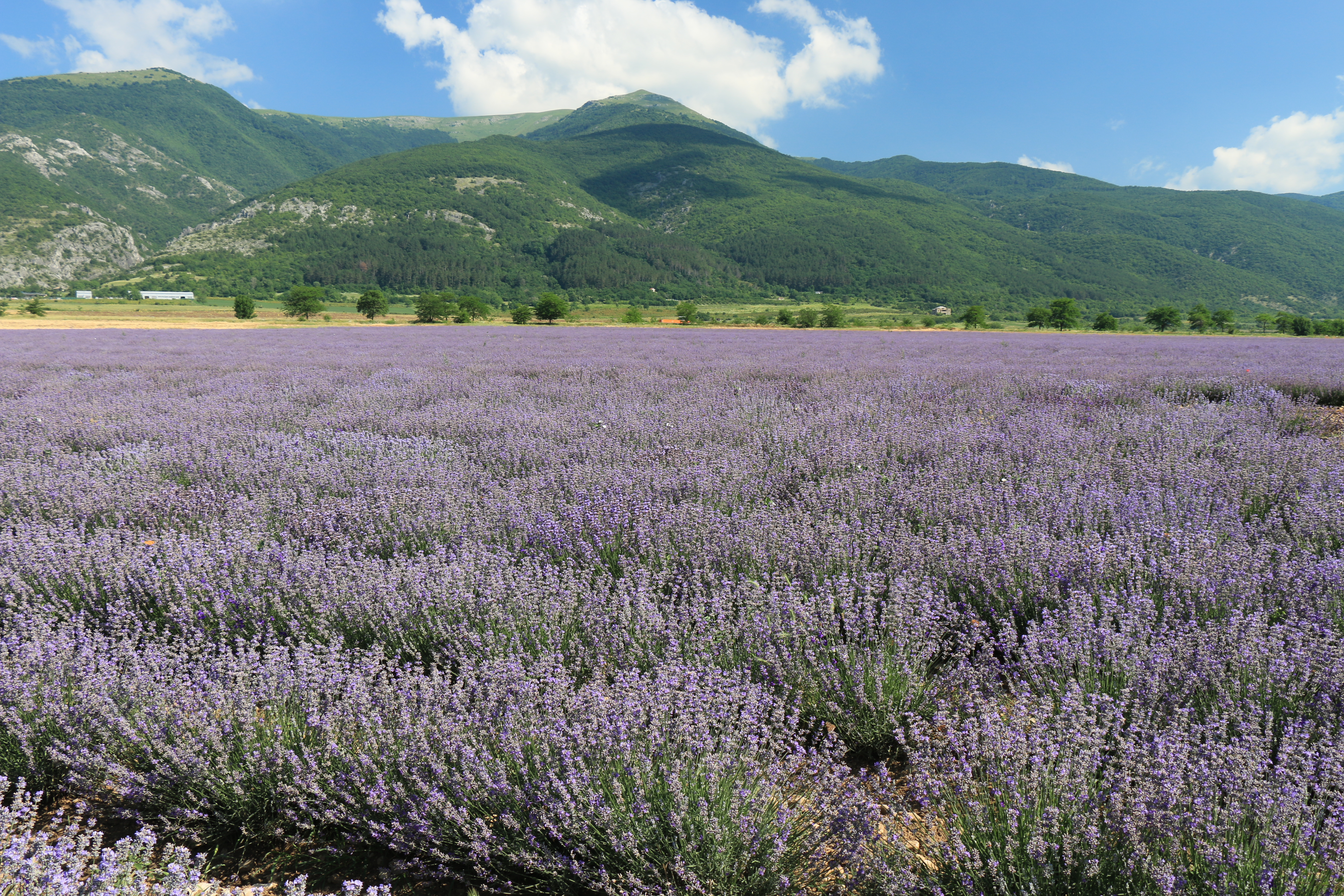
BG Oils manages its own rose fields and sources petals from small-scale farmers in the surrounding area. The harvested petals are distilled to produce rose oil, widely used in perfumery, and rose water as a co-product.
The certificate covers Bulgarian rose oil and rose water produced from petals grown on their ET Simeon Georgiev farm. It follows a cradle-to-gate approach, from cultivation to the distillery gate under operational control, excluding carbon removals.
The assessment found a footprint of 107,76 kg CO₂e per kg of rose oil and 0,45 kg CO₂e per litre of rose water.
Notably, BG Oils is among the first rose oil producers to calculate and independently verify their carbon footprint.
“We wanted to better understand and assess our environmental impact, identify opportunities to reduce emissions, and strengthen our sustainability commitments through reliable, independently verified data”.
Plamena Georgieva, Sales Executive at BG Oils.
How the footprint was calculated
As no dedicated tool was available for calculating the carbon footprint of rose oil, Preferred by Nature developed a project-specific carbon footprint calculator tailored to the production process and designed to estimate emissions and allocate them between rose oil and rose water.
The methodology drew on the Cool Farm Platform as a reference for estimating emissions from rose petals, while BG Oils provided the underlying data on farming practices, fuel and energy consumption, and transport.
The in-house project-specific tool brought these inputs together in a structured calculation model, enabling a consistent and transparent assessment of the carbon footprint of both products.
“Verifying the data during the field audit was an important part of this process. It helped us connect the calculations with actual farming practices and production activities, providing a stronger basis for understanding the product’s carbon footprint”, shared Neli Petkova, Senior Supply Chain Specialist at Preferred by Nature.
Combining the carbon footprint and UEBT audits kept the process shorter and more effective. Joris Bens, Senior Climate Specialist at Preferred by Nature, praised the quality and level of detail of the information BG Oils provided during the remote audit.
He was particularly impressed by how readily the information could be accessed and shared, reflecting the effectiveness of the processes and tools supporting the company's data management.
“Based on our positive experience working with Preferred by Nature during our UEBT certification audits, we greatly value their professionalism, technical expertise and thorough approach. This experience gave us confidence in continuing our collaboration for Carbon Footprint Certification”, stated Plamena.

What buyers can do with the data?
BG Oils can share the verification report and certificate with customers. They can use the product-level figures to make their Scope 3 emissions reporting more accurate.
“It provides reliable, transparent and independently verified information on the carbon footprint of our products, helping customers track progress towards their own sustainability targets and make more informed, responsible sourcing decisions”, added Plamena.
The same approach is open to other agricultural producers, including those growing crops with no established footprint method. Herb, flower, fruit growers or other crops can explore Carbon Footprint Certification.
Cover image by BG Oils Ltd,.


For more information, please contact:

Joris Bens