Reflecting on the International Sustainable Rice Forum 2025
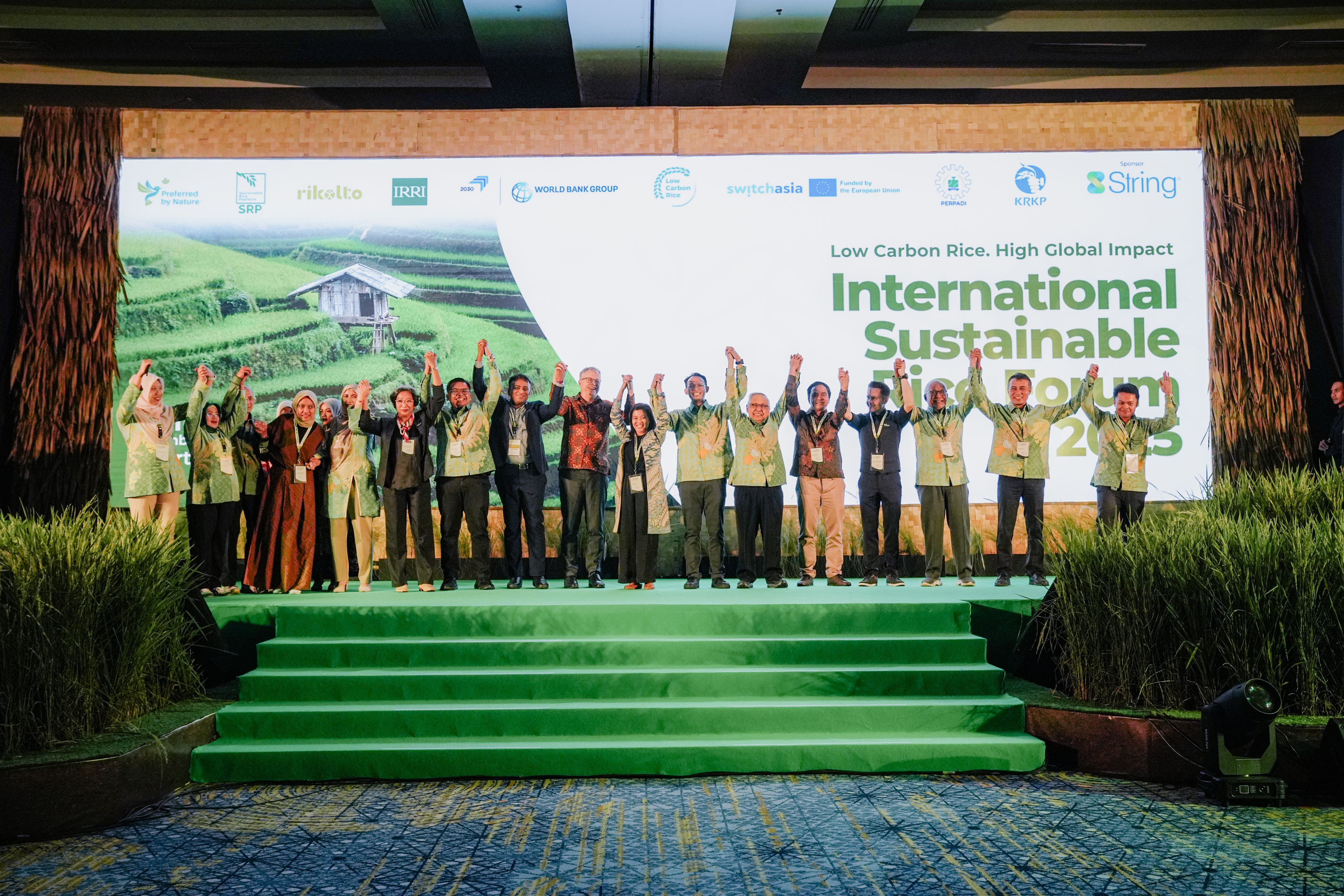
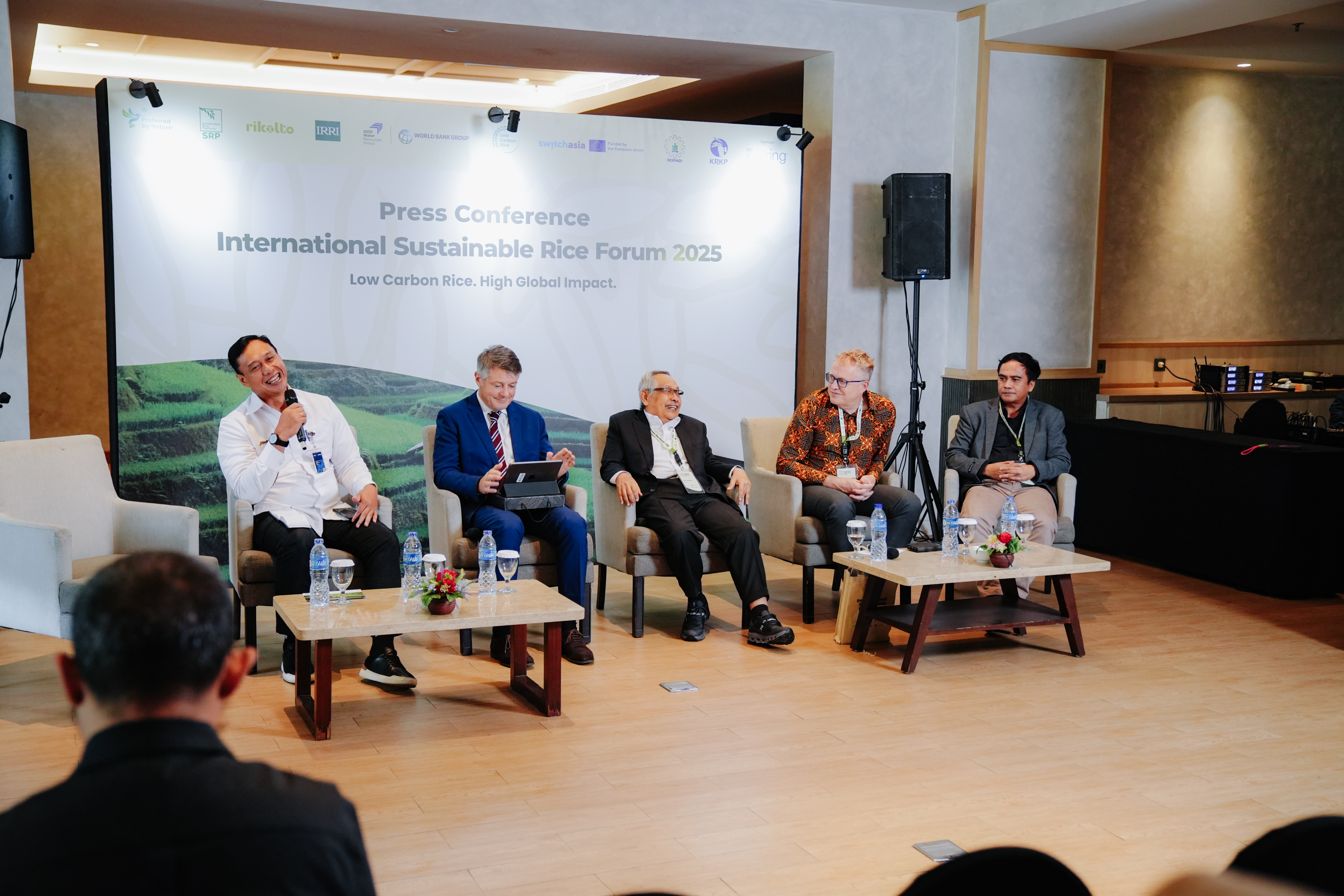
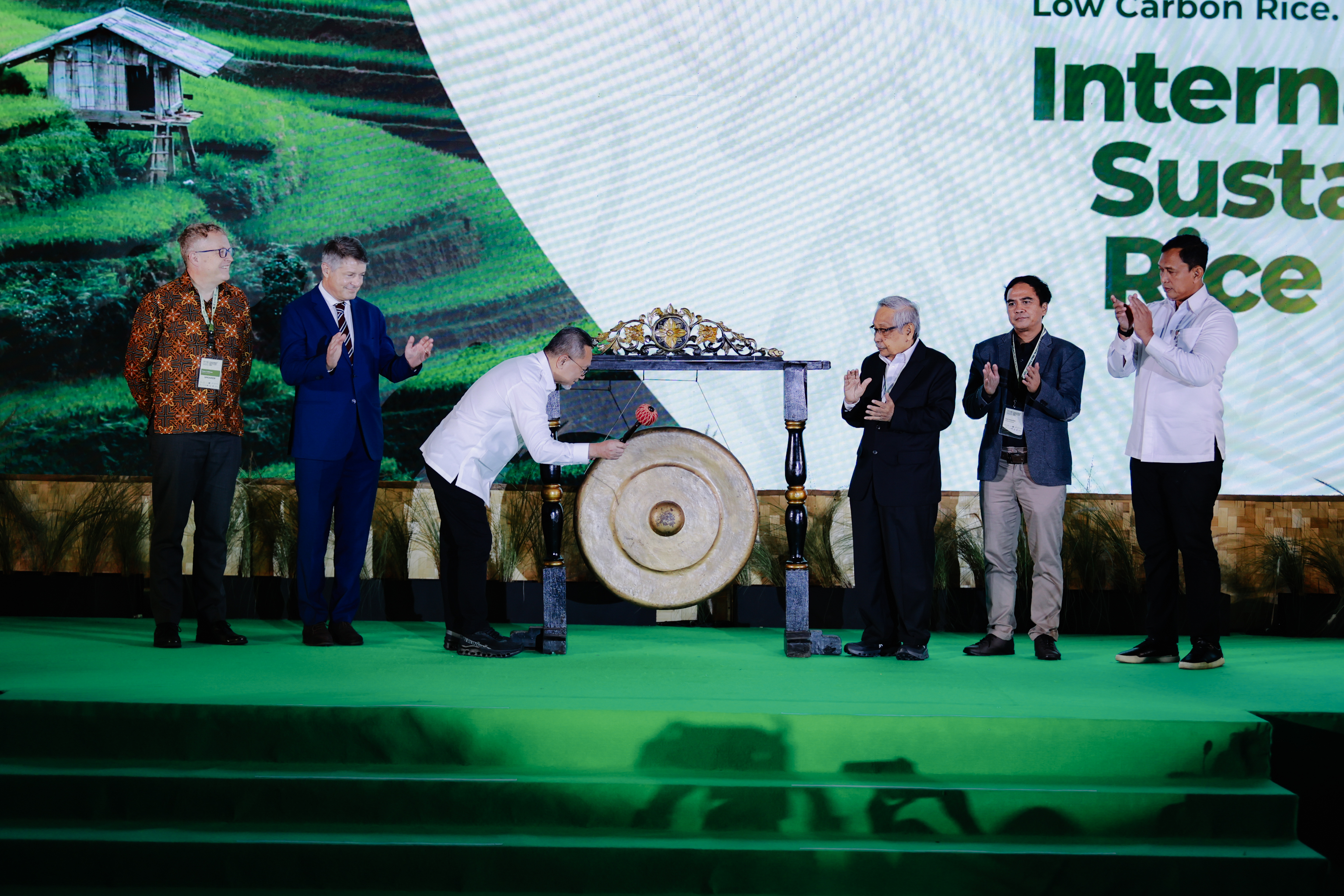
It has been a month since Jakarta hosted the ISRF 2025, bringing together over 300 experts, farmers, policymakers, and innovators from 23 countries. The Forum highlighted practical pathways for low-carbon, climate-resilient, and inclusive rice systems while showcasing the power of collaboration across science, policy, markets, and communities.
The conversations, connections, and insights from those two transformative days continue to resonate across the global rice sector. The International Sustainable Rice Forum (ISRF) 2025 convened voices from every corner of the value chain, including policymakers, researchers, millers, and farmers, to address a pressing challenge: how can rice, a crop that feeds billions and supports millions of livelihoods, become a driver of sustainability, climate resilience, and inclusion?
Bridging science, policy, and practice
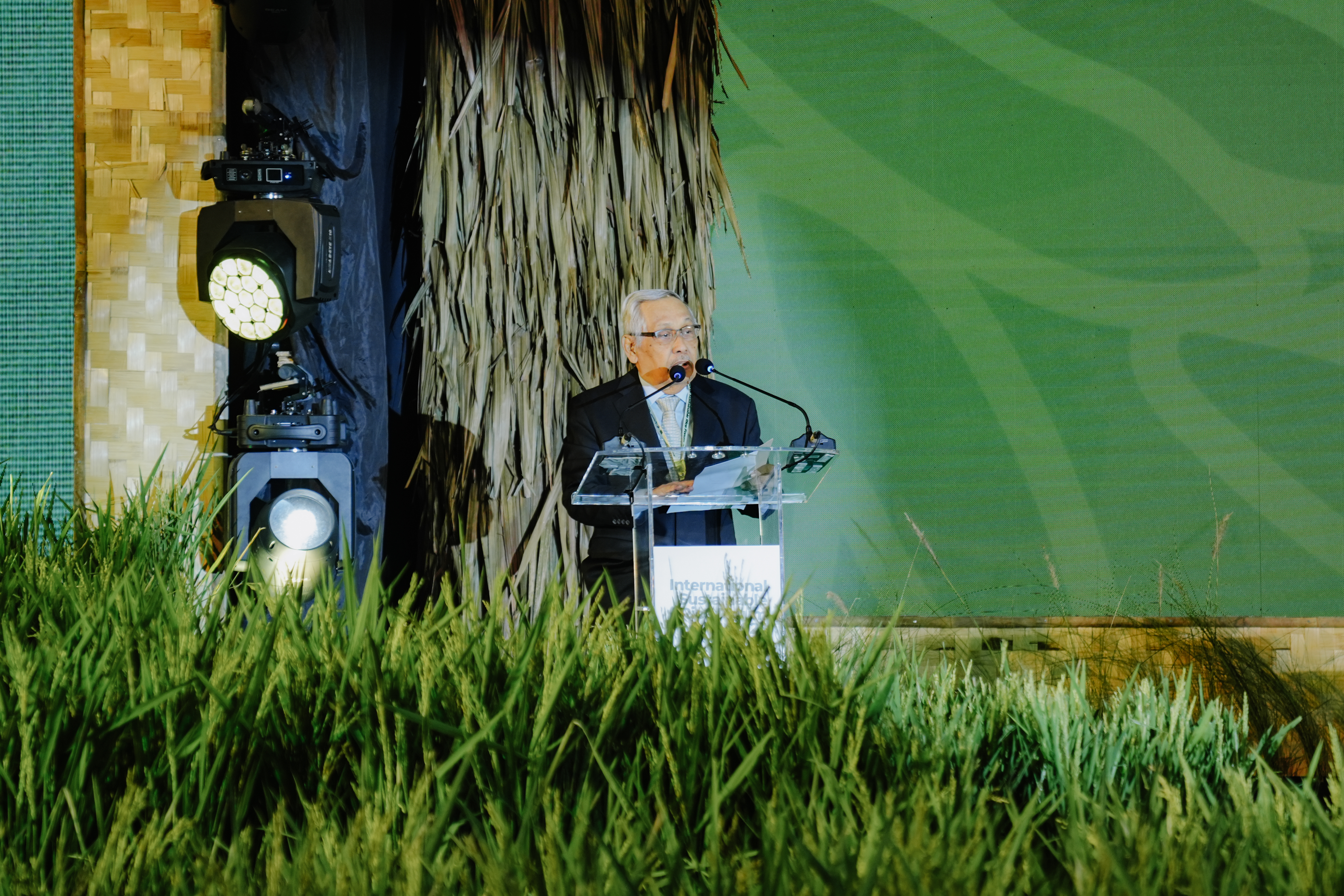
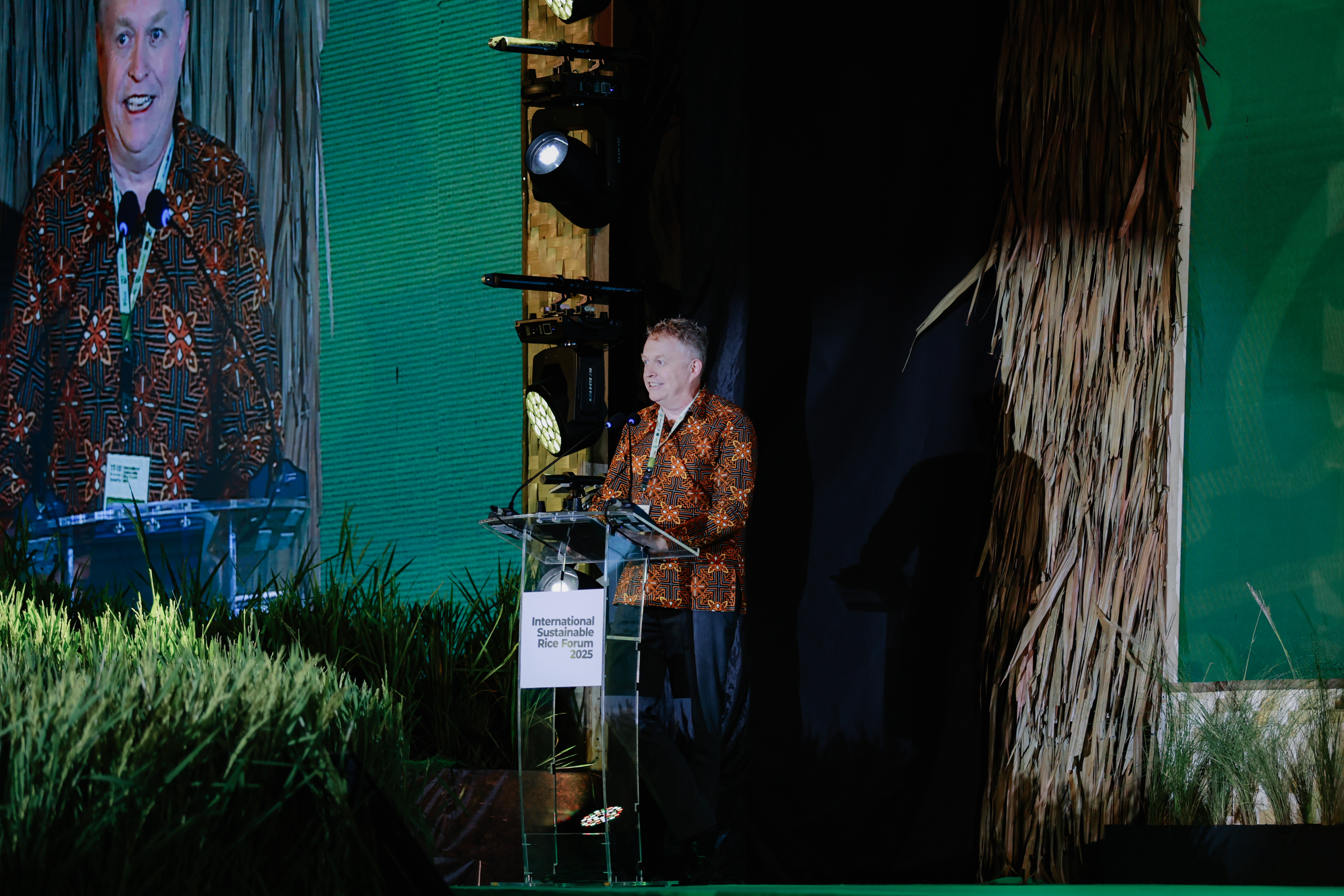
From the very first plenary, the message was clear that sustainable rice is a challenge that can only be met through collaboration. Peter Feilberg, Executive Director of Preferred by Nature, set the tone in his opening speech:
"Too often, science, policies and farmers are separate worlds. Brilliant research never reaches the field. Policies look good on paper but struggle in practice. Farmers want to improve but lack the right support. Our shared task is to build that bridge, to turn good science into good policy, and good policy into real transformation on the ground."
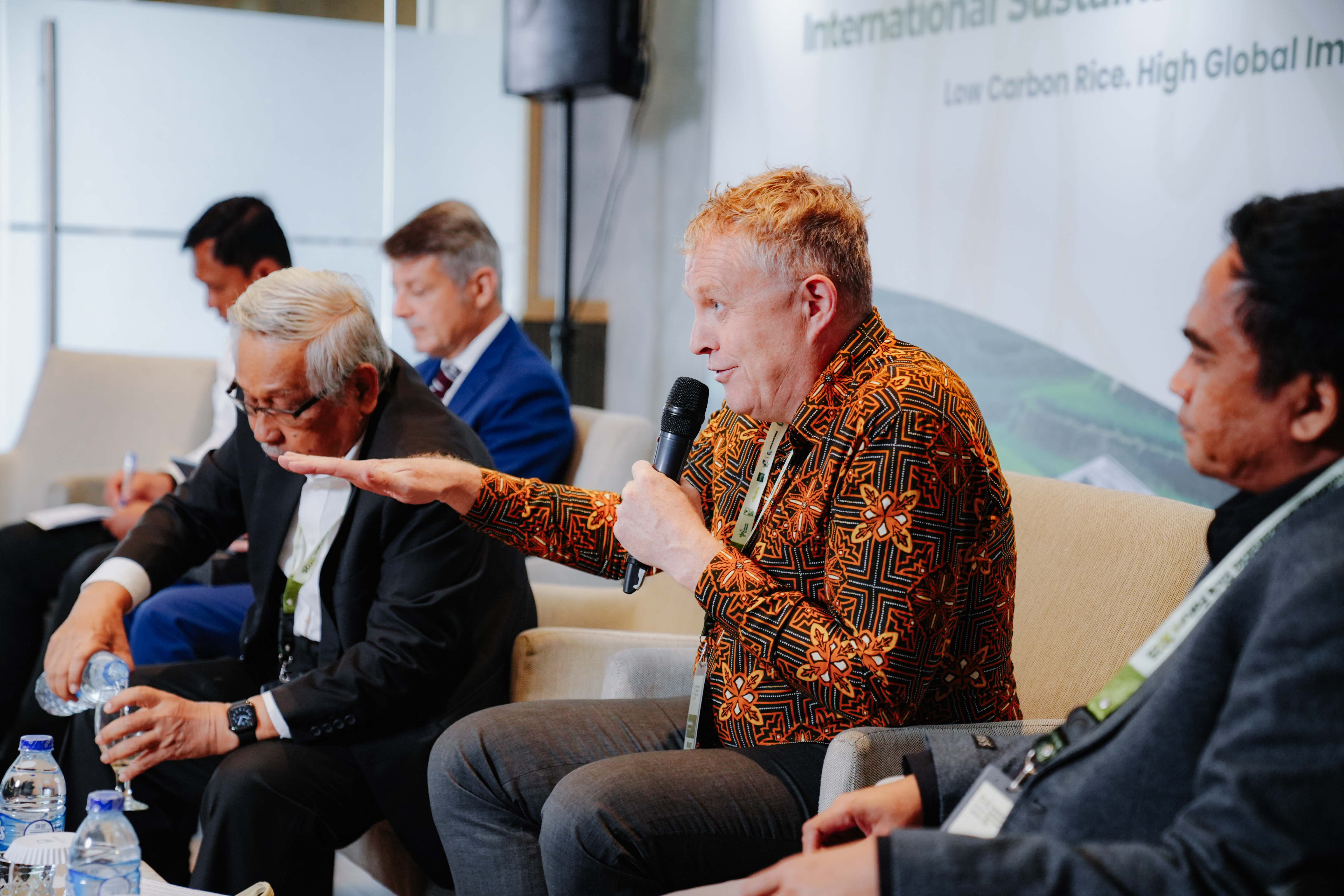
Throughout the Forum, this principle guided discussions. Panels, plenaries, and breakout sessions explored practical strategies for low-carbon rice production, including advanced water and nutrient management, digital tools for traceability, regenerative practices, and climate finance models. The Low Carbon Rice project, funded by the EU SWITCH-Asia Programme and implemented by Preferred by Nature in collaboration with Koalisi Rakyat untuk Kedaulatan Pangan (KRKP) and the Indonesia Rice Millers and Traders Association (PERPADI), provided a living example of these solutions in action. By bringing farmers, millers, researchers, and policymakers together, the project demonstrated how coordinated efforts can create a triple win: improved livelihoods, healthier landscapes, and meaningful climate benefits.
The Forum also highlighted the market and finance dimensions of sustainable rice. Sessions on blended finance, carbon incentives, and innovative investment models showed how aligning financial flows with sustainability outcomes can accelerate adoption across the sector. These discussions made it clear that without credible standards, reliable financing, and strong market mechanisms, even the best innovations will struggle to scale.
A global collaboration for lasting impact
The event was organised by Preferred by Nature together with the Sustainable Rice Platform (SRP), Rikolto, the International Rice Research Institute (IRRI), and the World Bank Water Resources Group 2030, with String Bio joining as a sponsor. ISRF 2025 illustrated that creating a sustainable rice future requires more than technical solutions. It demands partnerships across borders and sectors.
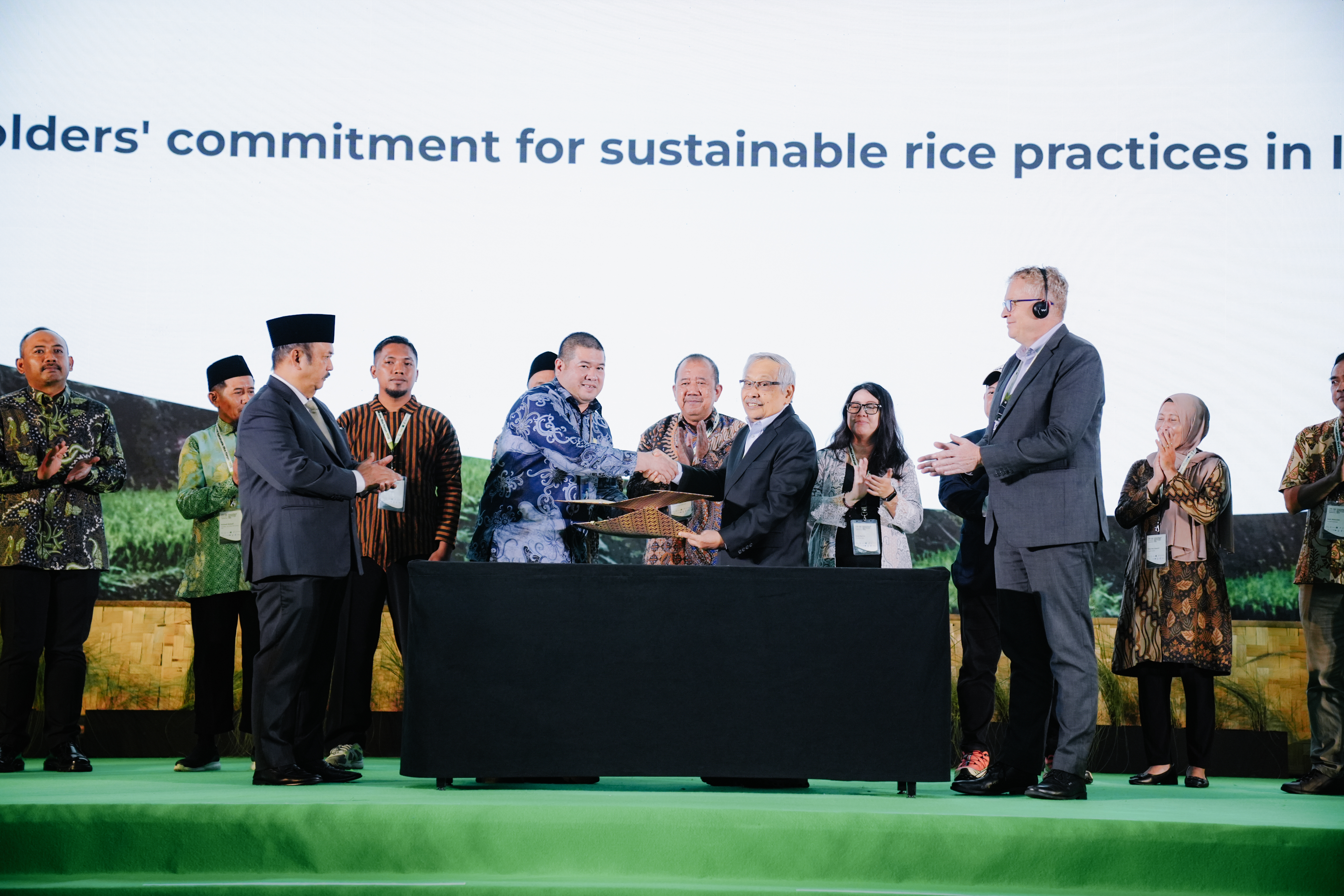
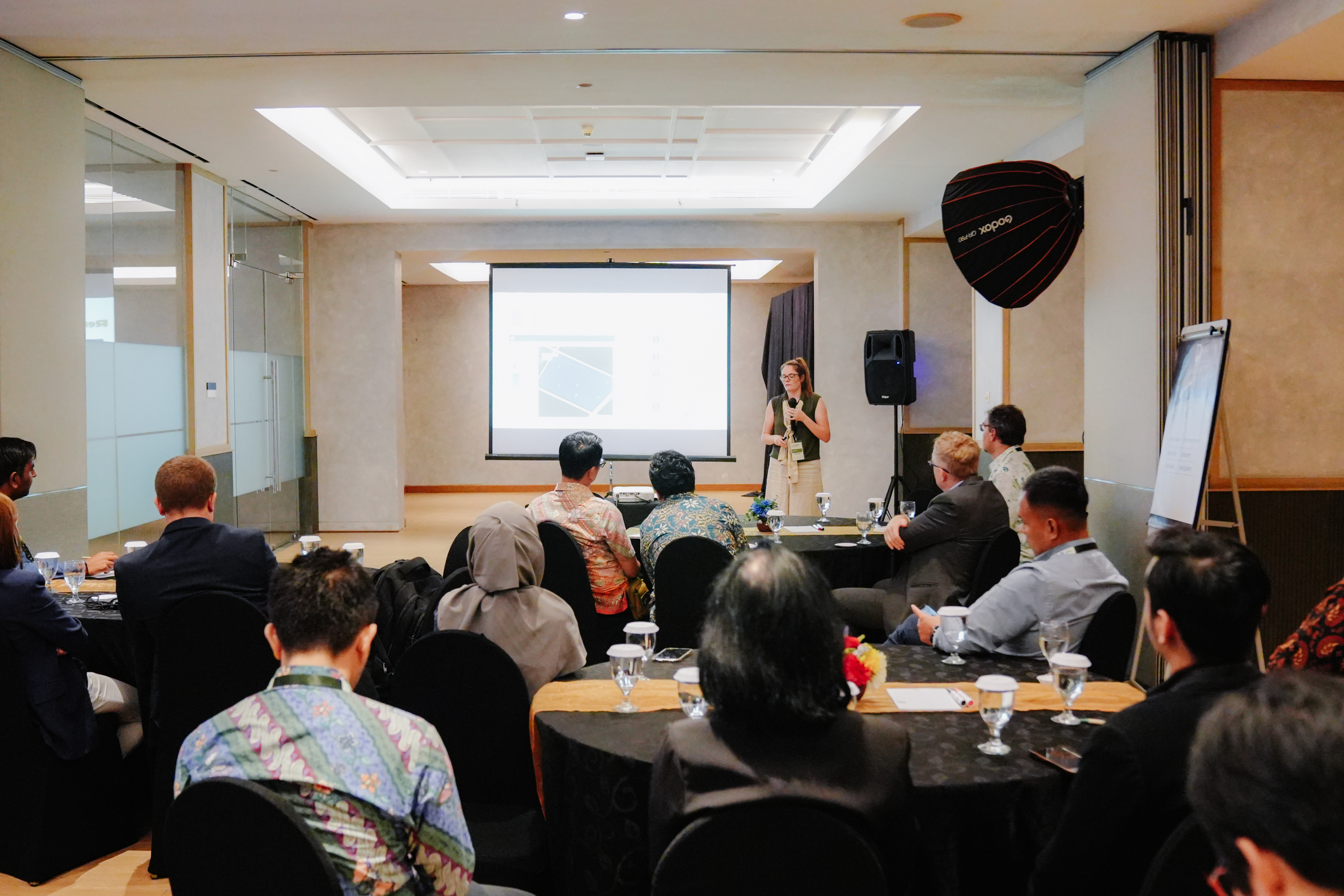
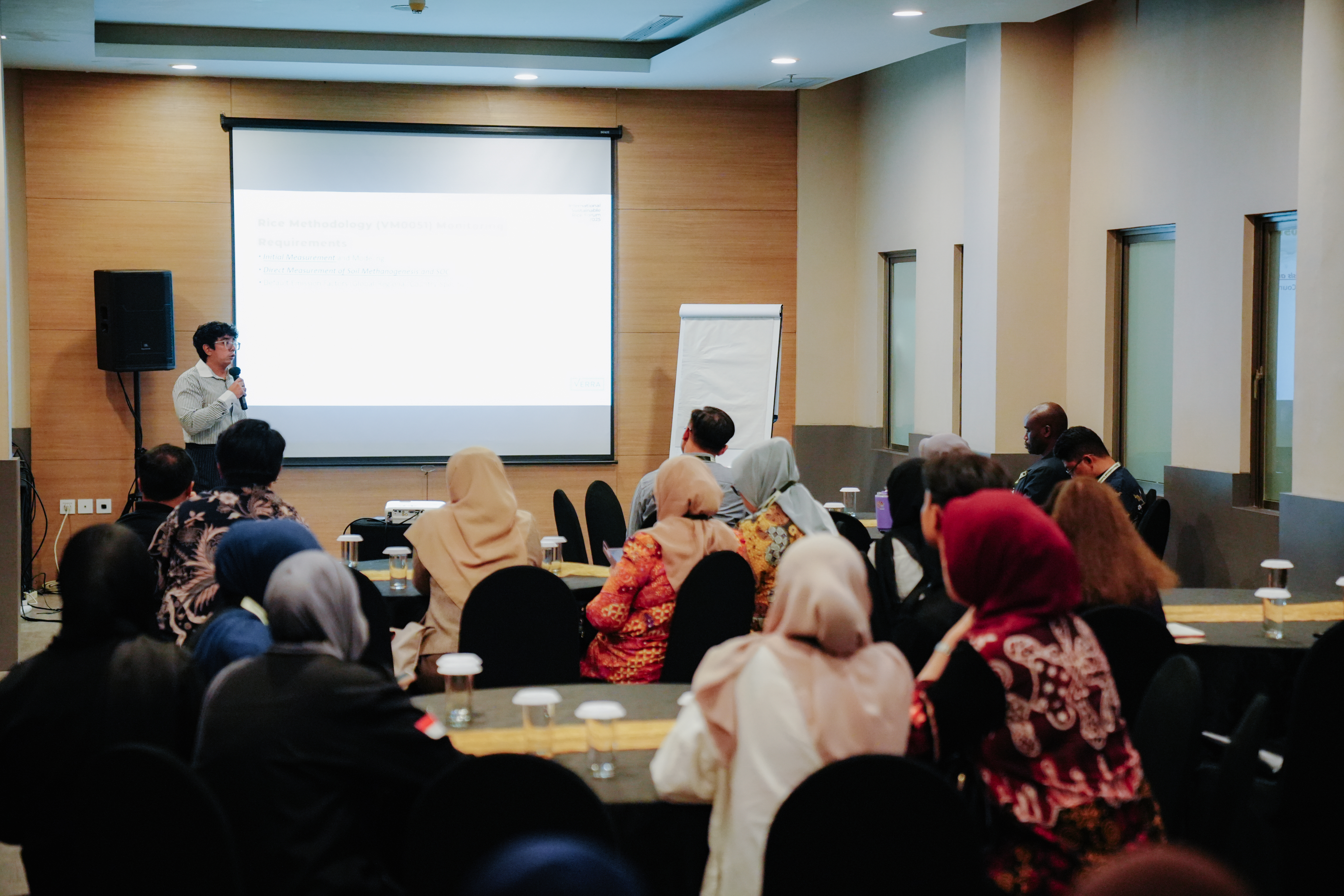
The Forum emphasised both strategy and action through high-level plenaries with ministers and global experts, as well as interactive breakout sessions. Highlights included the signing of a memorandum supporting small rice millers in Indonesia, discussions on credible sustainability standards, and practical demonstrations of climate-smart practices in the field. The main stage featured real-life paddy plants, connecting participants to the crop at the heart of the discussions and reminding everyone of the tangible impact of sustainable practices.

Participants also had the opportunity to explore exhibition booths showcasing innovations, pilot projects, and emerging technologies across the rice value chain. These interactive spaces encouraged dialogue, knowledge sharing, and direct engagement between farmers, researchers, policymakers, and industry representatives.
Perhaps the most striking takeaway was the reaffirmation that farmers must remain at the centre. Their knowledge, experience, and engagement are the foundation of any sustainable solution. Without them, policies, markets, and science cannot achieve lasting impact.
Continuing the conversation and building momentum
A month on, the momentum generated in Jakarta continues to shape discussions and inspire action across the rice sector. ISRF 2025 showed that sustainable rice is not just an aspiration. It is achievable, practical, and already underway. Yet the Forum also reminded us that scaling these solutions requires ongoing collaboration, innovation, and investment.
We extend our sincere thanks to all participants, partners, and our sponsor for their contributions to making the Forum a success.
Moving forward, future ISRF meetings or editions could build on this foundation by expanding this platform further. The focus would be on connecting a wider range of stakeholders, showcasing emerging solutions, and supporting partnerships that translate ideas into measurable impact. The conversations that began in Jakarta are expected to continue informing projects, policies, and initiatives around the world, contributing to a more resilient, low-carbon, and inclusive rice systems.
For those who missed ISRF 2025, catch up on our Day 1 and Day 2 recaps here:
Learn more about Preferred by Nature’s engagement with the rice sector.