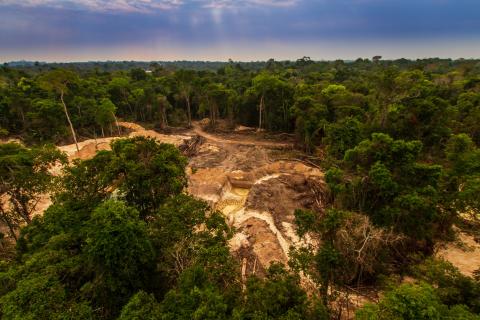
Our 100+ projects around the world create lasting changes and impacts.
We work to support better land management and business practices that benefit people, nature and climate in 100+ countries.
Visit our Community page
Eco-labels are essential for driving sustainable impact. Discover the significance of the Preferred by Nature Seal.
Need support to navigate your path towards sustainability? Find the due diligence tools and support you need to enhance your business practices.
Join our mailing list
Access our news and updates on sustainability from around the globe.
Explore press releases, meet our experts, and access FAQs about our organisation.
Learn more
Get started
Already a client? Access our dedicated portal to manage your certificates seamlessly.
Explore our range of certification programmes to enhance your responsible business operations.
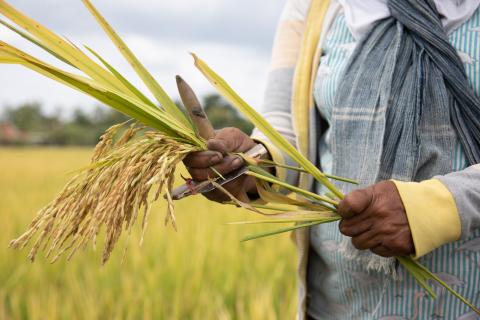
Staying on track: advancing sustainable rice production in Uruguay
Seznamte se se službami Preferred by Nature
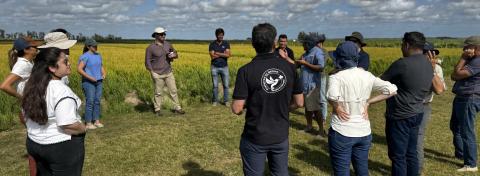
Uruguay hosted a milestone for sustainable rice in the LATAM region with Preferred by Nature
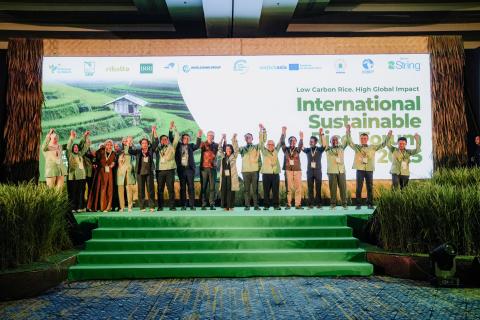
Reflecting on the International Sustainable Rice Forum 2025
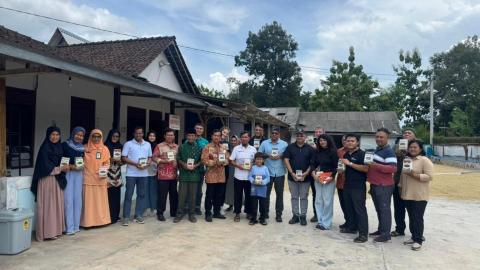
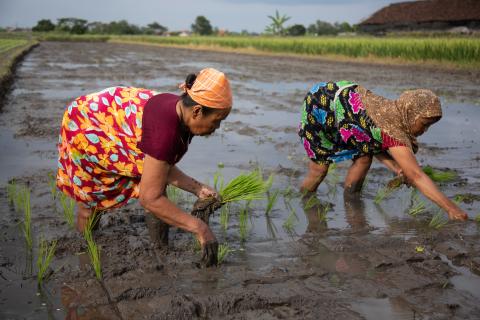
Walking the talk: Indonesia tries low-carbon rice — and the results are already visible
Why rice deserves a place in the global sustainability debate
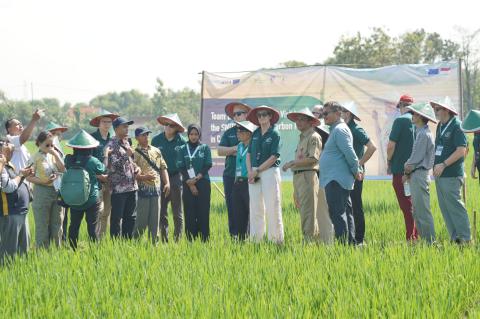
Massive media coverage of EU ambassadors’ visit signals policy shift on sustainable rice in Indonesia
The Low Carbon Rice Project celebrates farmers harvest in Madiun and discusses future partnerships
Projek beras rendah karbon di Indonesia menjadi pelopor produksi beras berkelanjutan
“Aspek sosial merupakan hal yang sangat penting dalam pertanian keberlanjutan. Sebab petani juga manusia”
Dari Kopenhagen ke Jawa Tengah: Perjalanan Peneliti Junior dengan Projek Beras Rendah Karbon
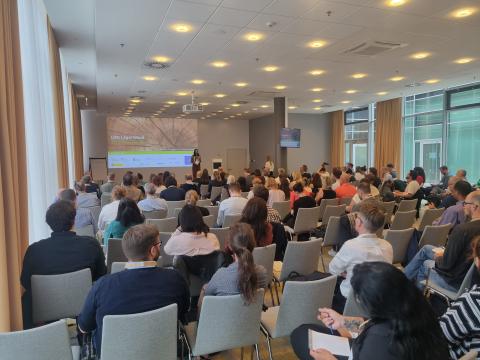
Seminar on the EU Deforestation Regulation: key takeaways for compliance across the supply chain
Roadmap to sustainability: A look into Catalonia Hotels & Resorts' responsible practices
European Parliament approves landmark law to combat the trade of products causing deforestation and forest degradation