What AI cannot do: the case for human expertise in sustainable supply chains
Artificial intelligence is transforming how we analyse and act on sustainability data. But in complex, people-centred supply chains, the most critical decisions still depend on something no algorithm can replicate.
Artificial intelligence is reshaping sustainability - accelerating analysis, uncovering patterns, and enabling faster decisions. Yet the real question for sustainability leaders is not what AI can do, but what still depends on people - and why it matters.
Sustainability is not simply a technical challenge. It is human, strategic, and deeply context-specific. At Preferred by Nature, our proven expertise and practical experience highlight that meaningful transformation is not achieved through data alone. It is the result of accumulated experience, trusted relationships, and continuous, hands-on engagement - where strategy is translated into real change through implementation and ongoing monitoring.
AI is a powerful enabler. It can process vast datasets, identify trends, and support faster decision-making. But real impact depends on something it cannot replicate: human expertise built over time and applied in complex, real-world situations.
When data is not enough
While AI can generate optimised scenarios, it cannot fully grasp competing priorities or long-term implications. In sustainability, the right decision is rarely the most obvious one in the data. It requires understanding context, anticipating consequences, and aligning with long-term value creation - not just short-term optimisation. This ability to navigate ambiguity is critical in supply chains where trade-offs are unavoidable.
Organisations are networks of people, and progress depends on trust, alignment, and shared ownership. Experiences from long-term collaborations demonstrate that even the strongest strategies only succeed when stakeholders are actively engaged. You can have the best strategy on paper, but without stakeholder alignment, it remains a document. Real impact happens when people understand, trust, and take ownership of the change.
Sustainability decisions are not only technical - they reflect values and priorities. Data can inform choices, but it cannot determine what should matter most. Data can guide us, but it cannot decide for us. Sustainability decisions ultimately reflect our values - what we choose to prioritise, protect, and invest in for the future. This is especially relevant in environmental, social, and governance contexts, where accountability and ethical trade-offs are central.
"Data can guide us, but it cannot decide for us. Sustainability decisions ultimately reflect our values - what we choose to prioritise, protect, and invest in for the future."
This is where sustainability efforts are truly tested. Implementation must navigate organisational constraints, cultural dynamics, and regulatory complexity - factors that cannot be fully anticipated through analysis alone. Execution requires flexibility, persistence, and continuous adjustment to real-world conditions. This is precisely where ongoing collaboration and practical experience create lasting value.
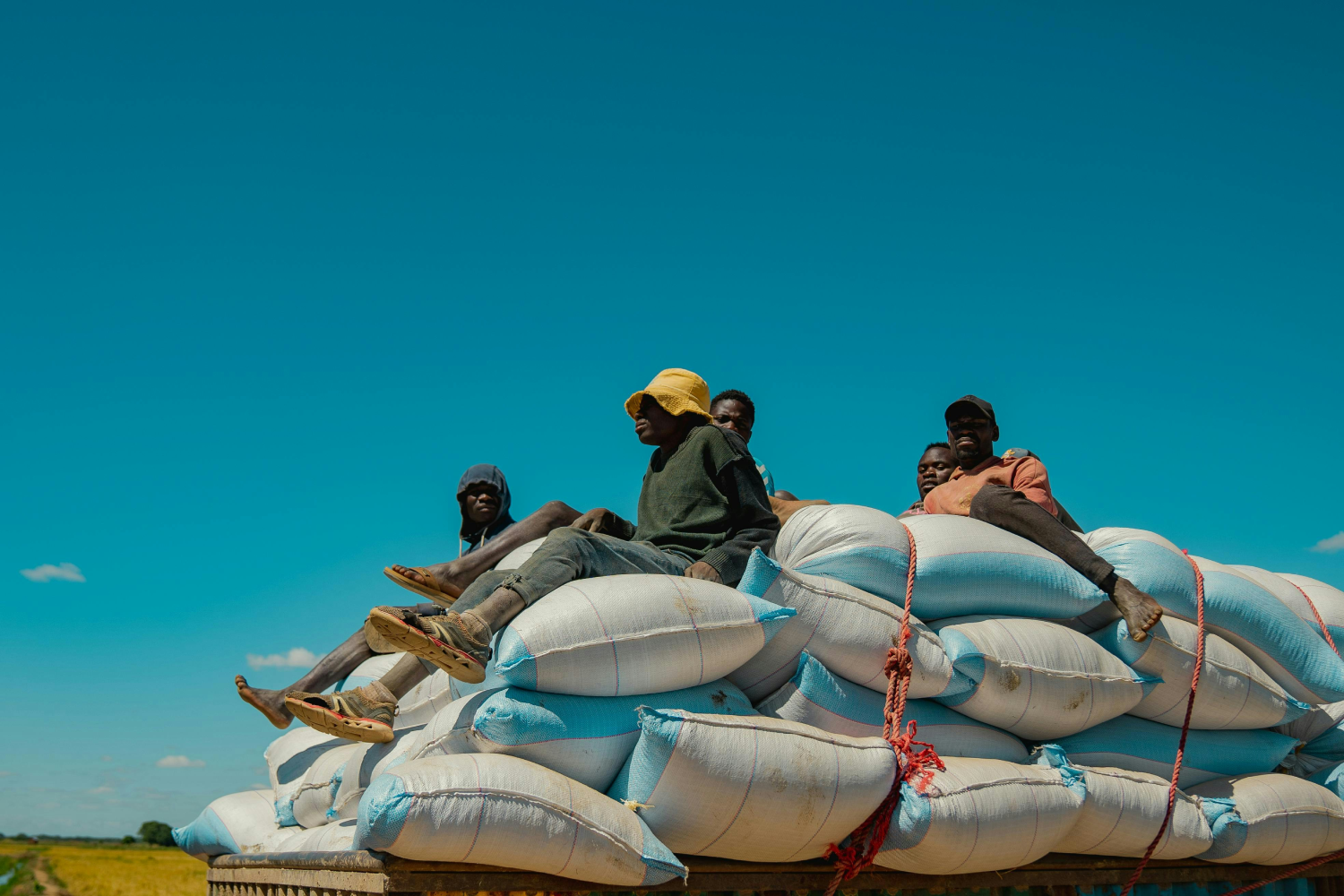
Real impact cannot be assessed solely from behind a screen. On-the-ground insights are essential to validate progress, identify gaps, and ensure alignment between commitments and reality. Work across supply chains shows that physical presence - whether through audits, site visits, or supplier engagement - provides a depth of understanding that data alone cannot achieve.
Sustainability impact ultimately needs to be verified where it happens - onsite. Field verification allows us to move from assumptions to evidence, ensuring that commitments translate into real outcomes.
Expertise that cannot be downloaded
Not all knowledge is captured in datasets. Experience builds intuition - an informed sense of where risks and opportunities lie. After more than 30 years working in sustainable supply chains, you develop an instinct for where the real risks and opportunities lie - something no dataset can fully capture. This expertise enables organisations to navigate complexity with confidence and foresight.
A human-centred future for sustainability is not about choosing between AI and people, but about combining both effectively. Technology will continue to enhance our ability to analyse and act - but it is human expertise that determines direction, defines priorities, and ensures meaningful outcomes.
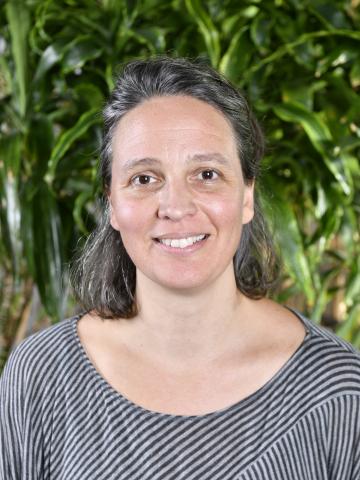
Feature image: Leticia on the field with local communities, bringing first-hand experience into conversations about sustainability and supply chains.
How Preferred by Nature supports sustainable supply chains
Turning sustainability commitments into meaningful outcomes requires more than compliance and reporting. It requires practical strategies, strong systems, stakeholder engagement, and the expertise to implement change across complex value chains. Preferred by Nature helps organizations move from ambition to action through tailored advisory services, capacity building, certification, and independent verification.
Our Sustainable Supply Chain services include:
- Developing responsible sourcing strategies, policies, and sustainability roadmaps.
- Building and reviewing due diligence, traceability, and risk management systems.
- Supporting compliance with regulatory requirements, including EUDR, CSDDD, and other responsible sourcing obligations.
- Designing and implementing supplier engagement and capacity-building programs.
- Developing and strengthening company-specific responsible sourcing and verification schemes.
- Measuring, monitoring, and verifying sustainability performance and impacts across supply chains.
- Supporting sustainability reporting and stakeholder communications.
We work across the entire value chain, from producers and smallholders to processors, traders, manufacturers, retailers, and brands, helping organizations build resilient, transparent, and future-ready supply chains that create value for businesses, people, and nature.
Contact us to explore how we can support your sustainable supply chain goals.


For more information, please contact: