Regenerative agriculture enters the mainstream of China's agri-food innovation debate
Preferred by Nature hosts the inaugural regenerative agriculture forum at the World Agri-Food Innovation Conference (WAFI) in Beijing, bringing together voices from across the global agri-food supply chain.
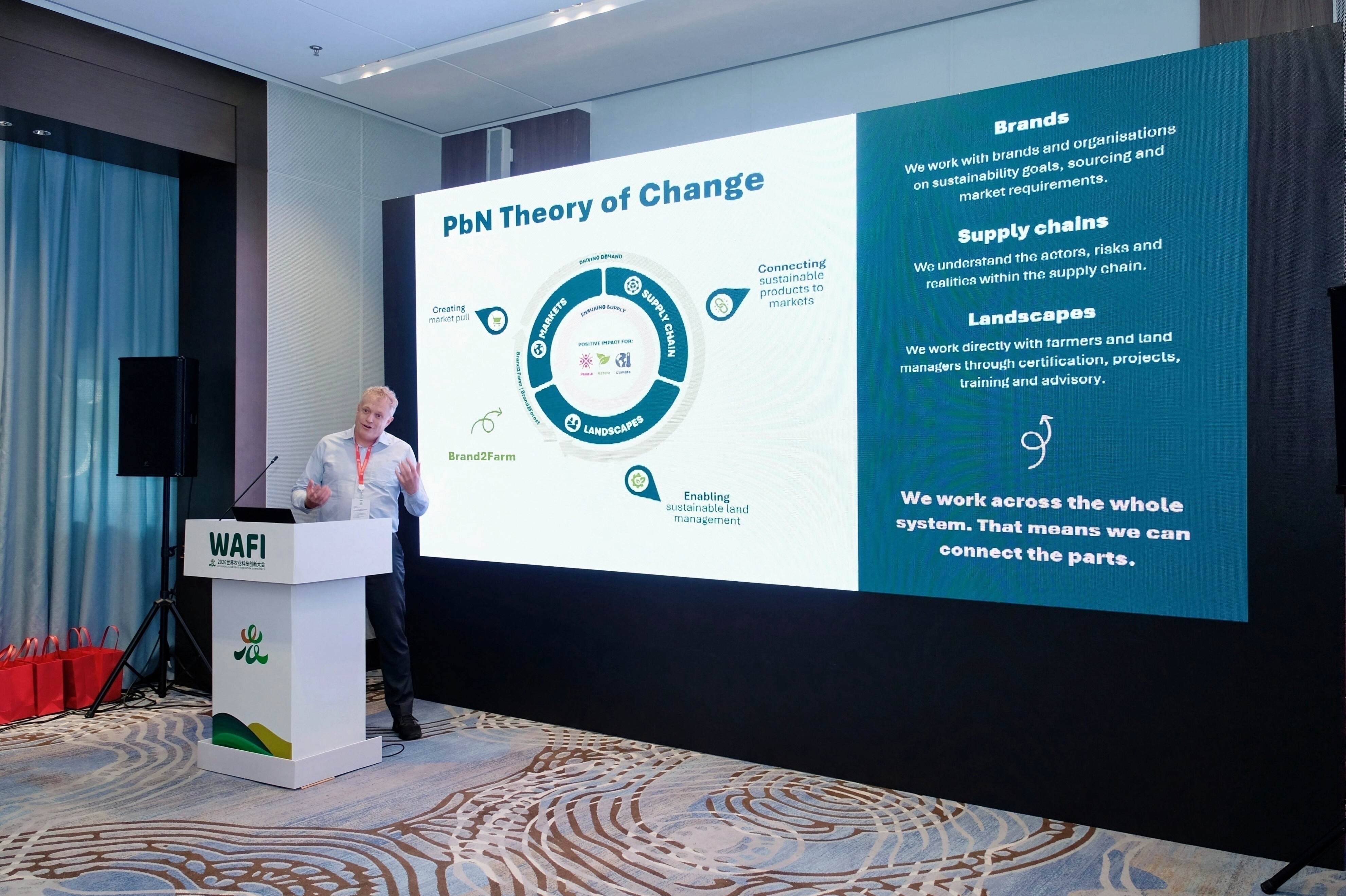
When Peter Feilberg, Executive Director of Preferred by Nature, attended WAFI last year, regenerative agriculture was just starting to be part of the conversation. This year, his team hosted a WAFI forum themed on regenerative agriculture. “It seems things have changed. This topic has received more attention than we could have hoped for.” He recalled.
“It signalled that the topic has moved from the margins of agricultural discussion into the mainstream of China's agri-food innovation debate.” Peter stressed.
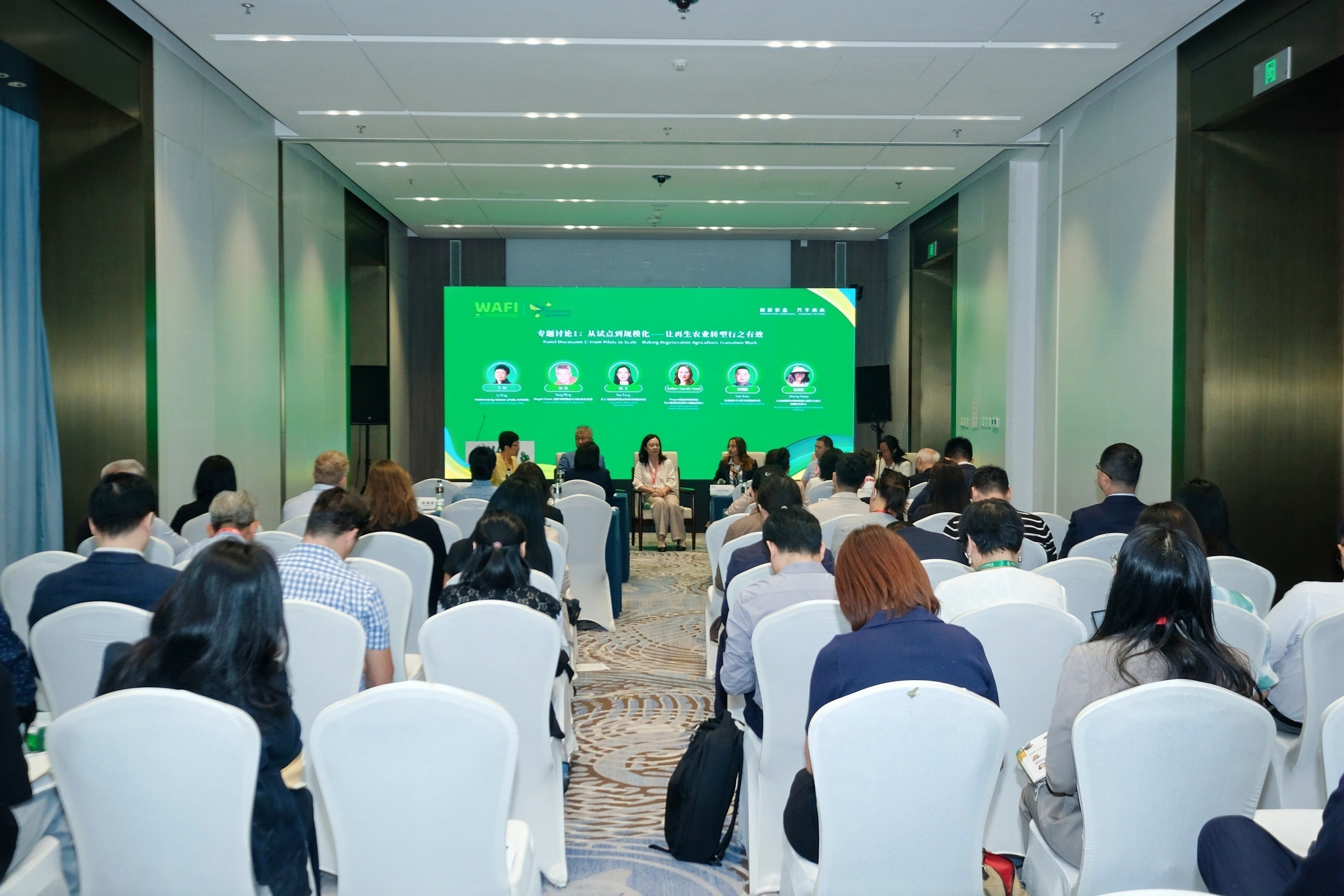
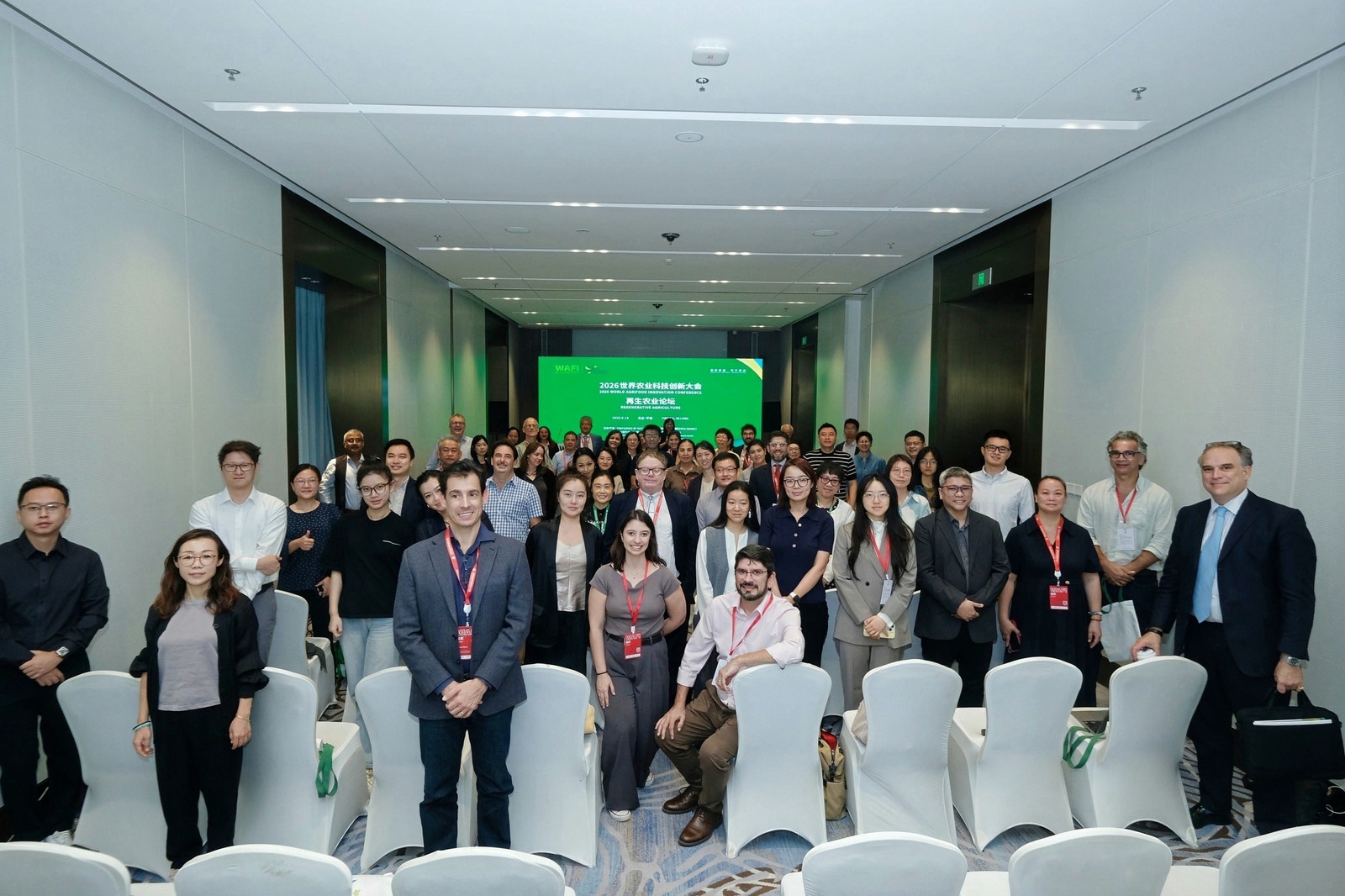
It was the first time this leading agri-food conference featured the theme with a dedicated forum, and the turnout reflected the shift. The forum brought together nearly 100 participants from agri-food enterprises, research institutions and financial organisations worldwide.
A global supply chain perspective
“It was promising to see participants in the forum representing the whole value chain, from research and production to consumption and finance. We helped foster cross-sector dialogue to break down industry silos and build systemic solutions that can be replicated worldwide.” said Xinxin Zhang, Asia-Pacific Director at Preferred by Nature and forum moderator.
Regenerative agriculture is an approach to sustainable agriculture that supports ecosystem services and helps farming systems respond to environmental and economic challenges. By improving soil health, enhancing biodiversity, protecting water resources, and reducing reliance on external inputs, it strengthens agricultural productivity, long-term viability, and landscape sustainability.
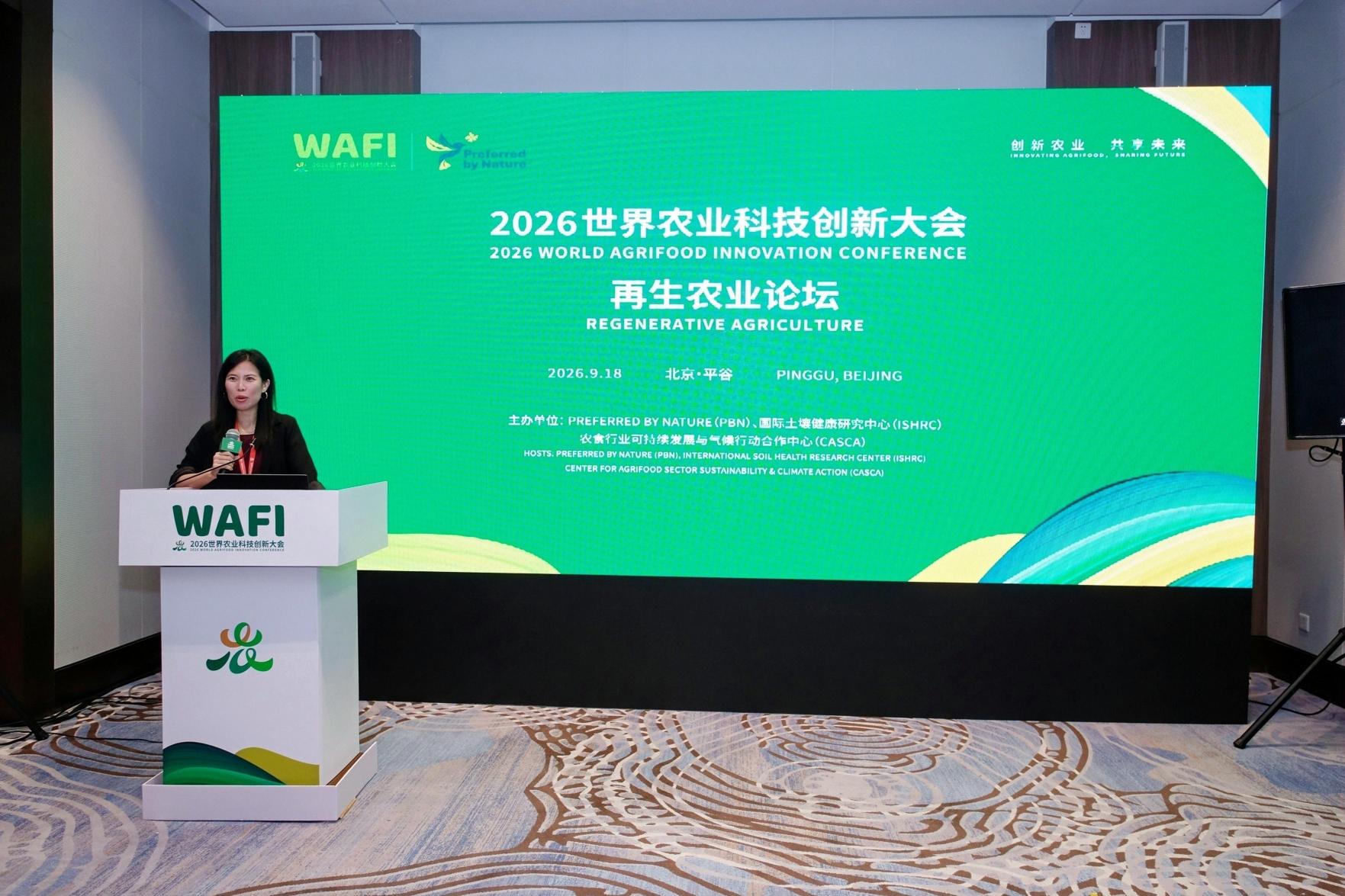
Dr Yvonne Pinto, Director General of the International Rice Research Institute, gave the opening keynote. She pointed to the wide-ranging promise of digital technologies in advancing environmental transparency and awareness: "There are potentials in various areas like greenhouse gas monitoring, satellite space mapping, water level measurement using digital data systems that can make good practices and environmental outcomes more visible. This is what I hope this collection of people will begin to talk about."
From pilots to scale
Two panel discussions of the forum focused the same idea: Scaling regenerative agriculture is more than advancing farming techniques; it must also align incentives, finance and procurement surrounding the techniques.
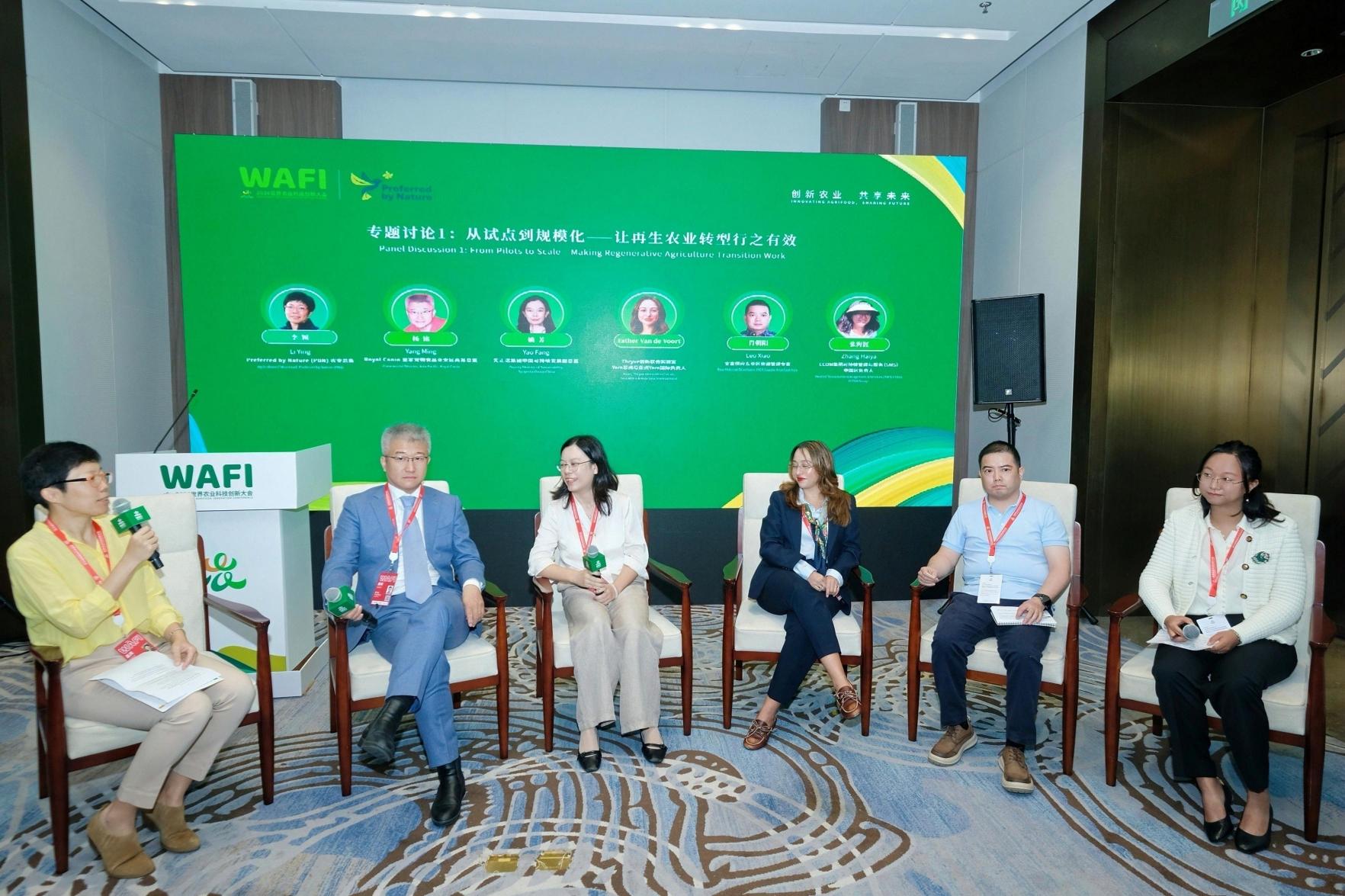
The first panel discussion, featuring speakers from Royal Canin, Syngenta Group China, Yara International, IKEA, and ECOM Group, explored how corporate commitments can be translated into action on the ground, why farmers hesitate to change long-established practices, and what business models can make regeneration economically viable.
“In year one we told farmers, we will bear your loss. That cannot be repeated. So they put regenerative wheat into their tender at a separate price and let the money flow down the chain. That is the shift: from a project next to procurement to procurement itself.”, shared Yang Ming, Commercial Director, Asia Pacific, Royal Canin.
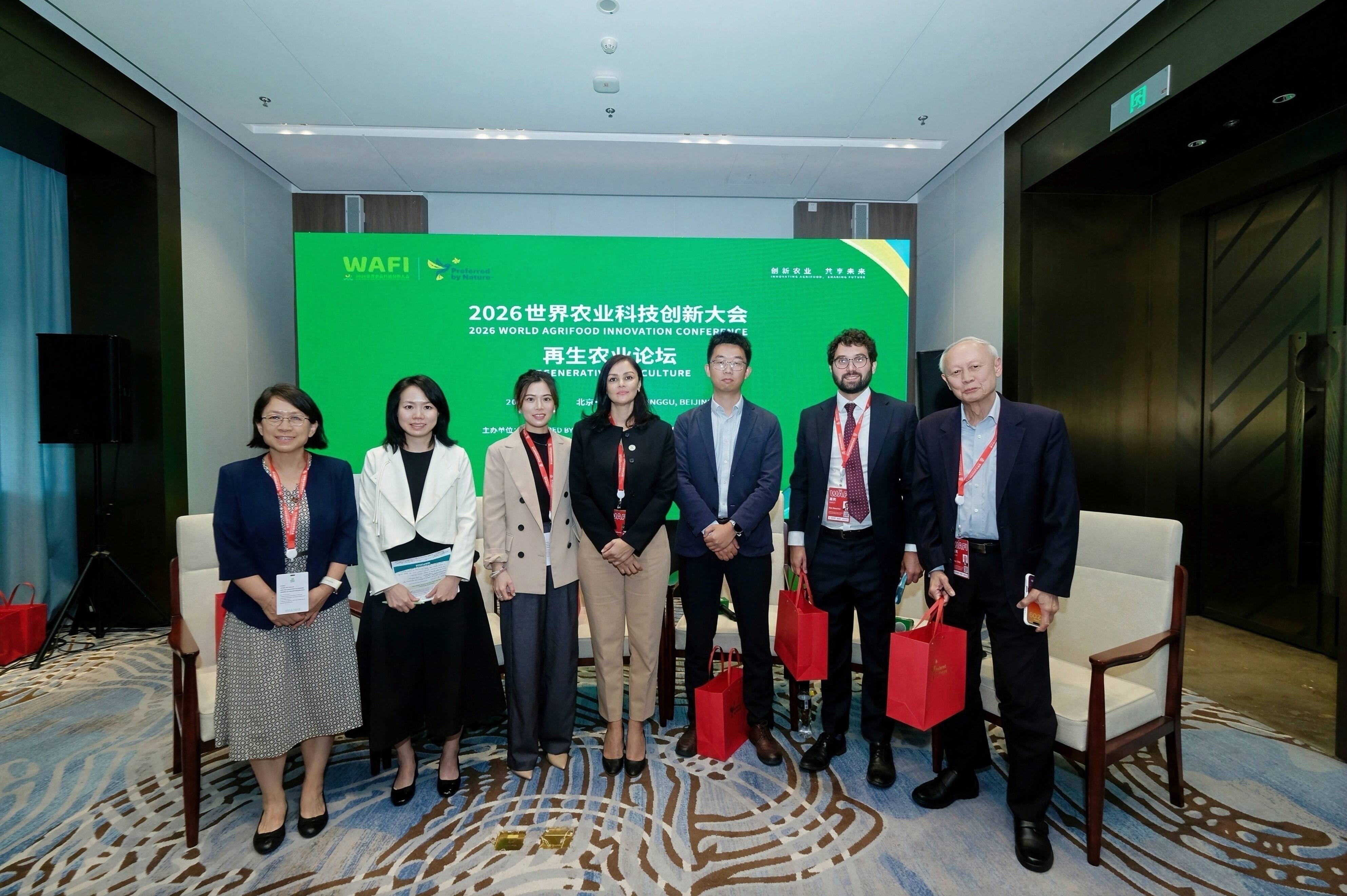
Another aspect of the discussion examines how risk can be distributed across the value chain, so that farmers do not need to carry the cost of transition alone. Panellists from Asian Development Bank, Rabobank, FAIRR Initiative, NIE International, and Swiss Re agree that financial instruments, risk-sharing models and training systems are all key links needed for the process.
During the focus report session, Professor Junling Zhang from the International Soil Health Research Center at China Agricultural University gave a talk titled to introduce key research topics and findings on restoring degraded soil and increasing soil organic carbon storage, which lays the foundation for regeneration.
Kaushik Saikia, Director Agriculture of Preferred by Nature commented: “Regeneration is not just about restoring what we have - it is about transforming how we produce food, support farmers, and build resilient agricultural systems. It is a journey of continuous improvement - one that requires farmers, scientists, businesses and partners to move forward together.”
Building consensus for collaboration
“The global agri-food system now stands at a critical crossroads,” said Feilberg. “Regenerative agriculture offers a viable pathway to balance food production with ecological conservation. We have good reason to believe that through value chain collaboration and institutional innovation, regenerative agriculture can achieve scalable adoption across global supply chains and truly become a core engine for driving nature-positive transformation. We also look forward to working with Chinese institutions to advance this agenda together.”.
The Regenerative Agriculture Forum was held on 18 September 2026 at the Jinhaihu International Convention Center in Beijing's Pinggu District. The forum was co-hosted by Preferred by Nature, the Center for Agrifood Sector Sustainability and Climate Action (CASCA) and the International Soil Health Research Center. This forum is seen as a catalyst to deepen multi-stakeholder collaboration networks and promote the implementation of regenerative agriculture across the whole supply chain.
About Preferred by Nature
Preferred by Nature is an international non-profit organisation that works with actors across value chains to turn sustainability requirements and commitments into concrete action.
With more than 30 years of experience and a presence in over 100 countries, we combine technical knowledge, on-the-ground experience and a global perspective.
We work in collaboration with key actors across supply chains, markets and landscapes. Our solutions include verification and certification, advisory services, landscape-scale projects and capacity building.
Our work focuses particularly on the forestry and agricultural sectors, covering areas such as regenerative agriculture, carbon, greenhouse gas emissions, climate, ecosystem conservation and restoration, biodiversity, ecosystem services and sustainable travel.
In regenerative agriculture, Preferred by Nature supports the design and implementation of programmes that deliver measurable environmental and supply chain outcomes, spanning feasibility, strategy, implementation and impact verification.
Contact us to explore how we can support your sustainable supply chain goals.


For more information, please contact:

Xinxin Zhang

Ying Li