Improving sustainable livelihoods for smallholders and restoring ecosystems in Xishuangbanna
Preferred by Nature and its partners are implementing two consecutive projects in Xishuangbanna, Yunnan Province, to help smallholder rubber farmers improve production practices, strengthen local livelihoods and protect the ecosystems on which their communities depend.
The first project, launched in March 2025, established the foundation for more sustainable rubber production. The second project builds on these achievements and continues the work through 2026. Both projects are supported by Linglong through the Global Platform for Sustainable Natural Rubber (GPSNR) Shared Investment Mechanism.
Phase 1: Establishing the foundation for sustainable rubber production
The first phase focused on strengthening the foundation for more sustainable rubber production. It included key activities such as supporting community-managed rubber collection, introducing traceability and standard operating procedures, strengthening smallholders’ knowledge of sustainable plantation management, and promoting ecosystem restoration approaches.
Phase 2: Building on progress and strengthening local capacity
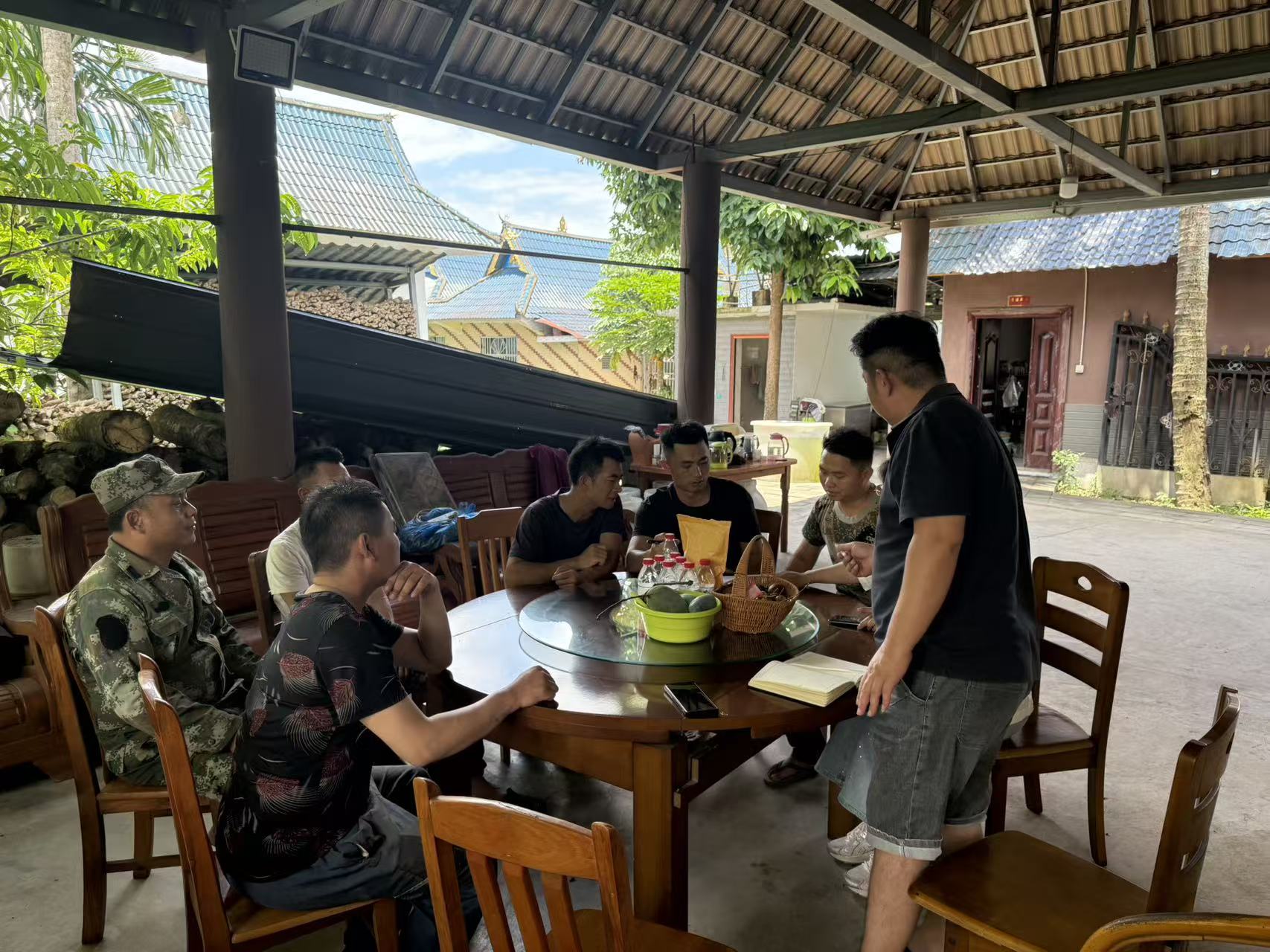
The second phase builds on the first phase by expanding community education and practical production support. The key project activities include FSC group certification, providing locally adapted restoration and agroforestry training and strengthening sustainable production practices. Preferred by Nature coordinates implementation in collaboration with farmer groups, local rubber enterprises, research institutions, community organisations, and technical specialists.
Xishuangbanna is one of China's main natural rubber-producing regions. The long-term expansion of monoculture rubber plantations has fragmented natural habitats, reduced biodiversity and weakened services such as soil and water conservation. By 2023, Xishuangbanna had lost 4.69 kha of natural forest, contributing to 4.20 Mt of CO₂ emissions.
Smallholders also face challenges such as unstable rubber prices, labour shortages, plant diseases, occupational safety risks and limited opportunities to diversify their income. As production is spread across numerous smallholders, individual farmers may struggle to access technical support, traceability systems and sustainability certification.
Addressing these issues requires an integrated approach that brings smallholders together, provides practical field support, creates market incentives for sustainable production and incorporates locally relevant ecological knowledge.
The primary beneficiaries of the project are smallholder rubber farmers and their communities in Xishuangbanna, Yunnan Province. These farmers manage small plots of land that collectively account for more than 27% of China's natural rubber plantation area. Many belong to diverse ethnic communities who have traditionally relied on rubber cultivation as their primary source of income.
Across the two phases, the project aims to make sustainable rubber production more practical and accessible for smallholder farmers. It combines community-based learning, safer and more efficient production practices, farmer organisation, support for FSC certification, protection of High Conservation Value (HCV) areas, and locally adapted restoration and agroforestry techniques.
Community learning and practical production support
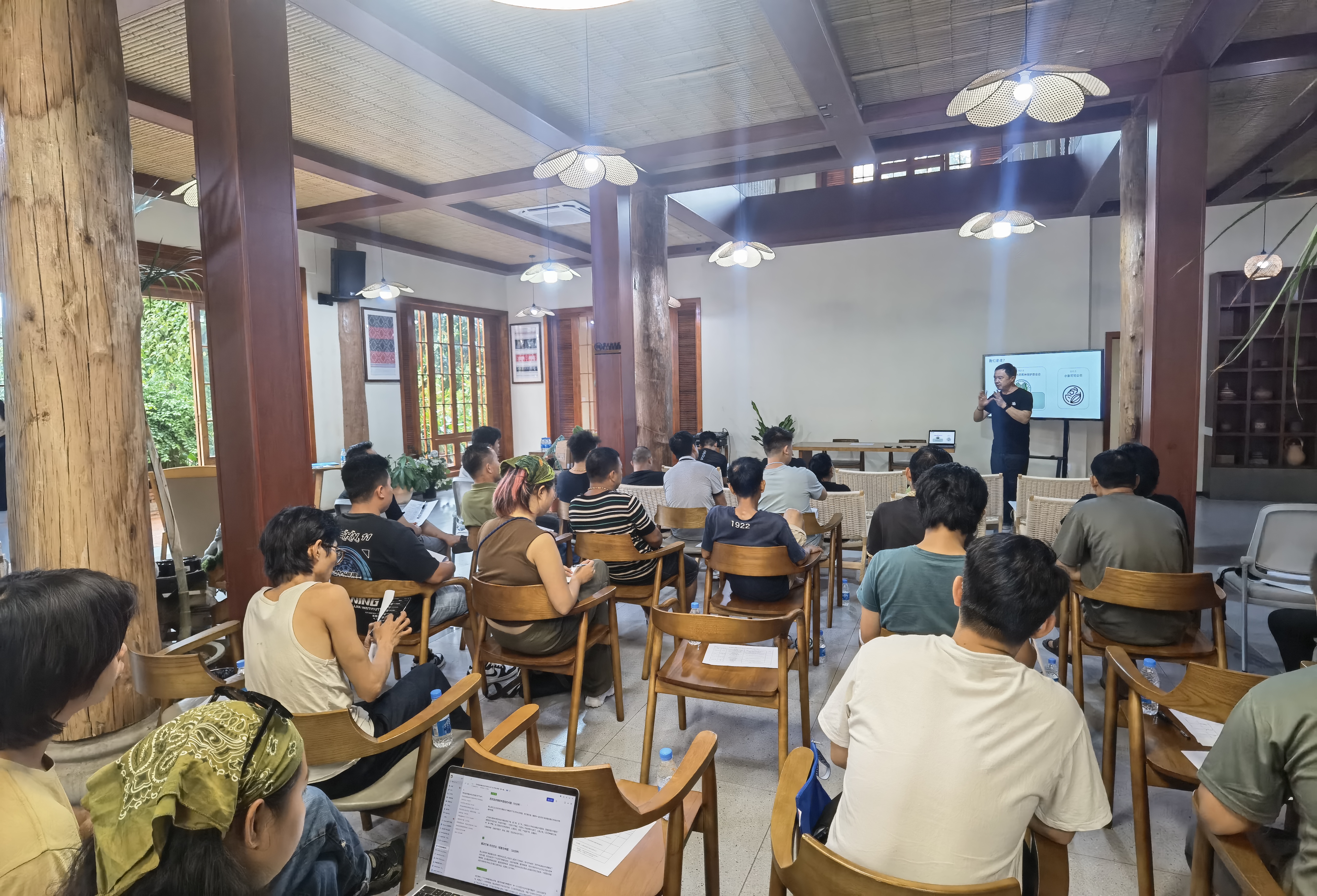
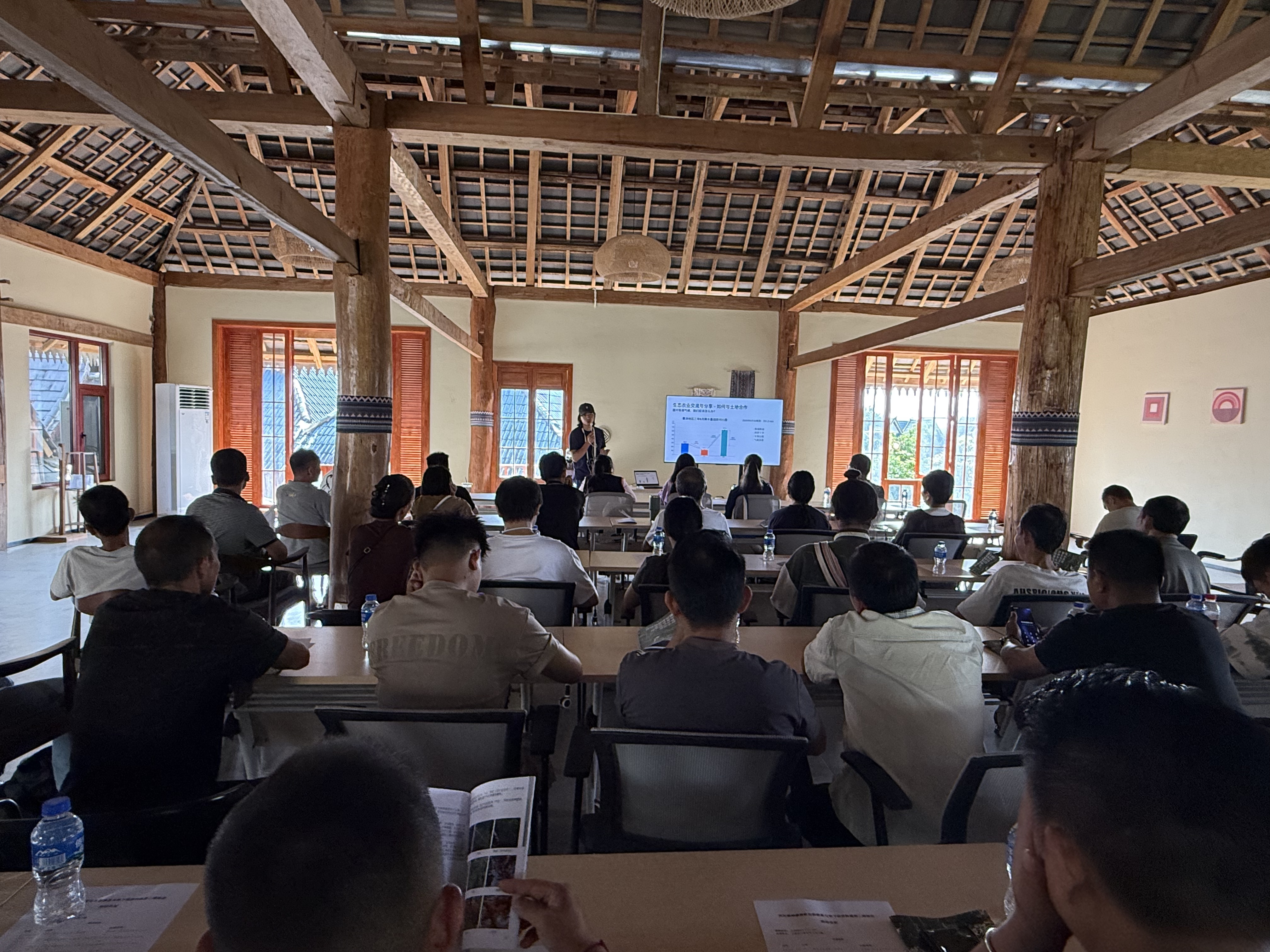
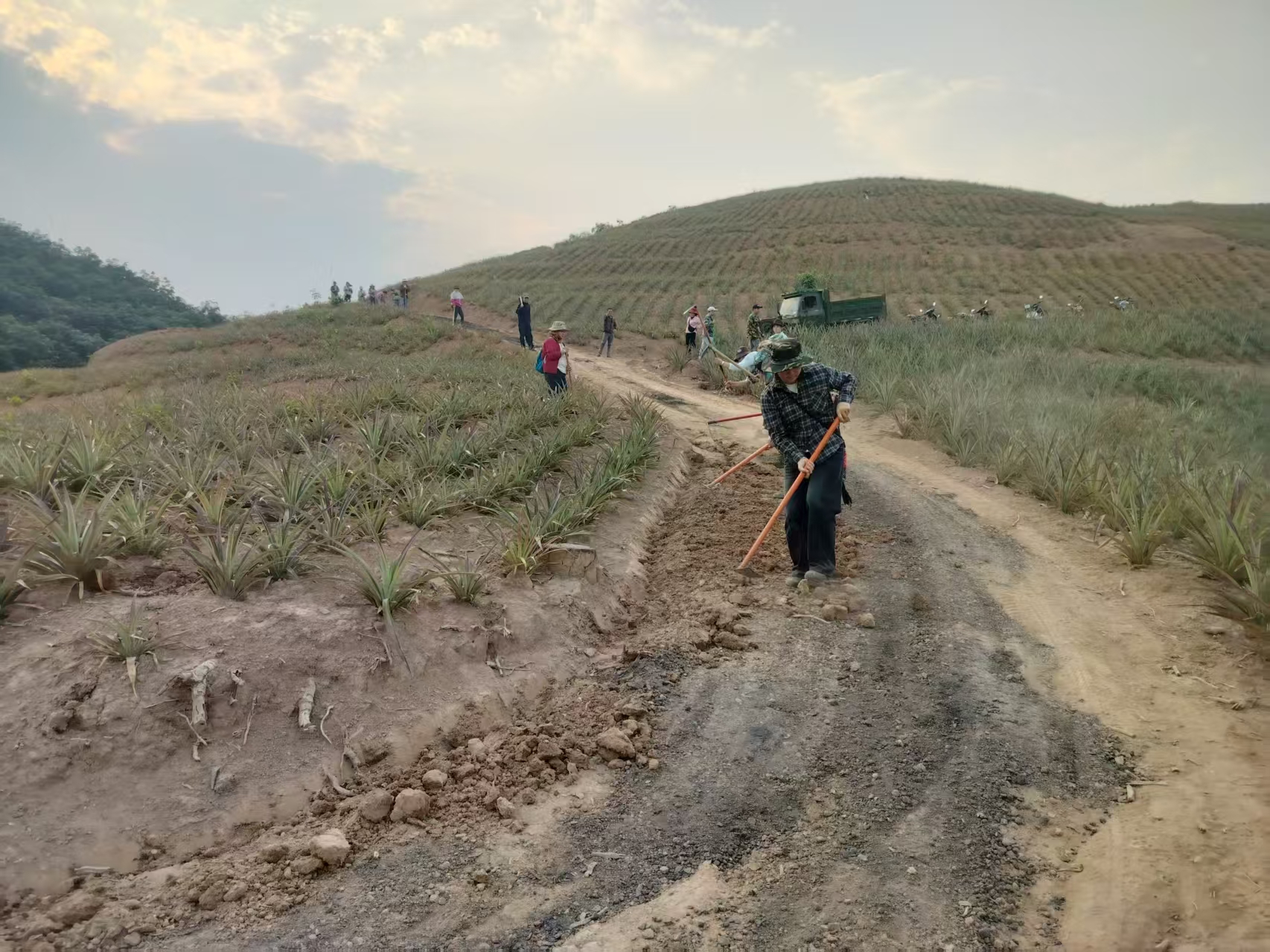
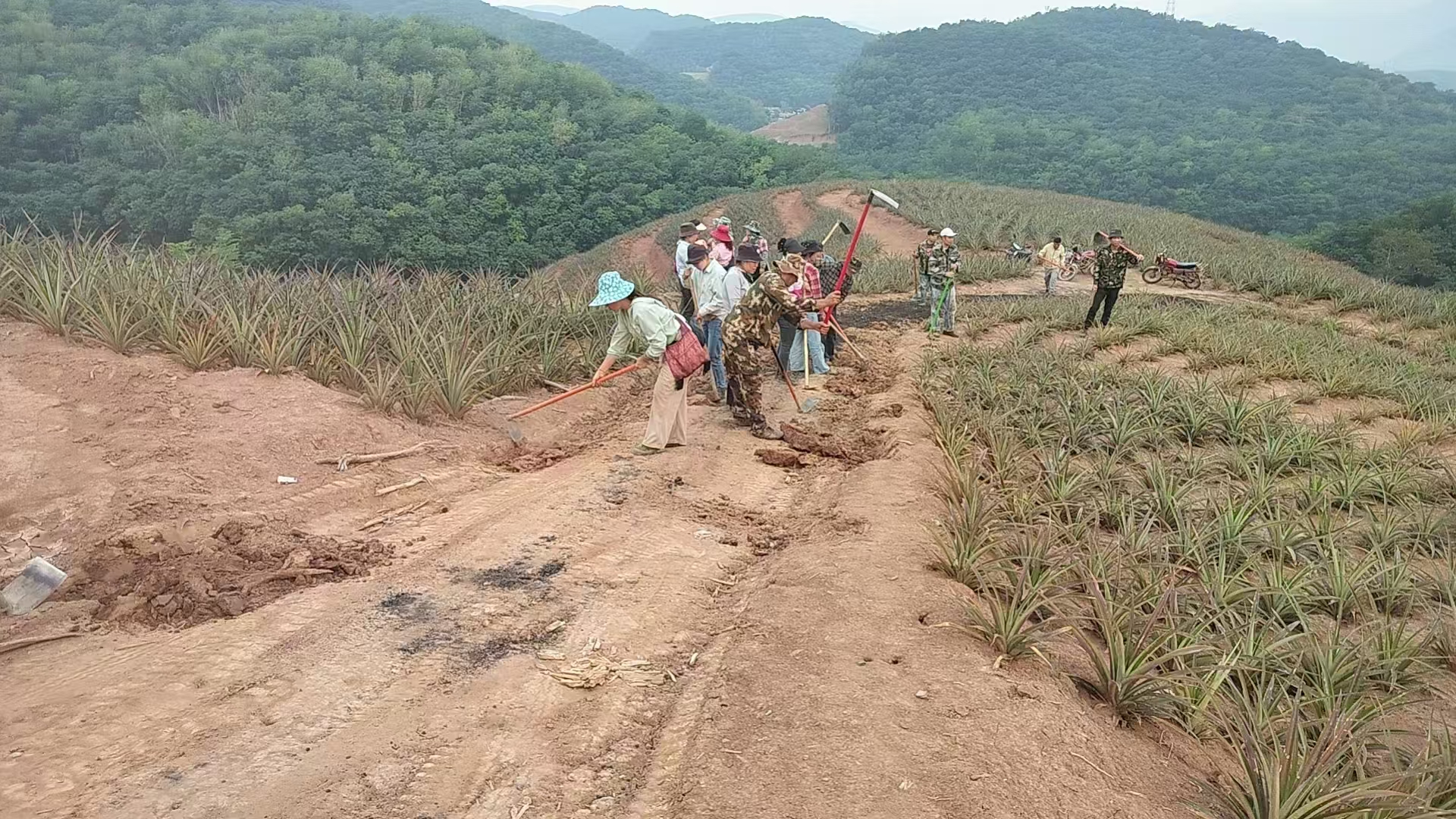
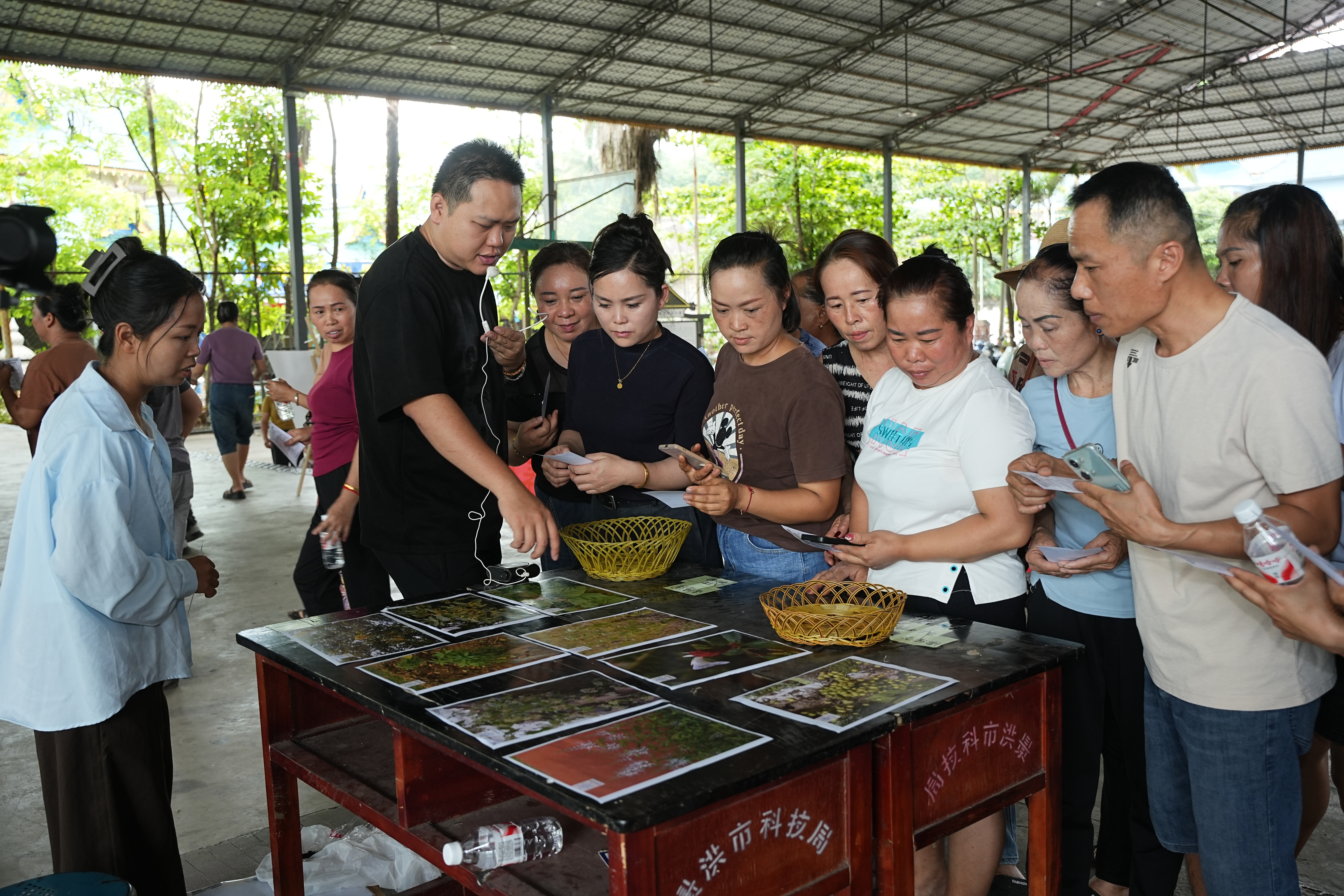
The first phase supported community-managed rubber collection and introduced operational procedures and traceability practices. Building on this work, the second phase uses short educational videos and a community skills competition to help farmers understand and apply sustainable practices. By June 2026, the project also supported rubber disease management across approximately 190 hectares and repaired damaged plantation roads at five locations, covering a total of 6.8 kilometres, to improve access and reduce safety risks.
Sustainable Natural Rubber Plantation Management
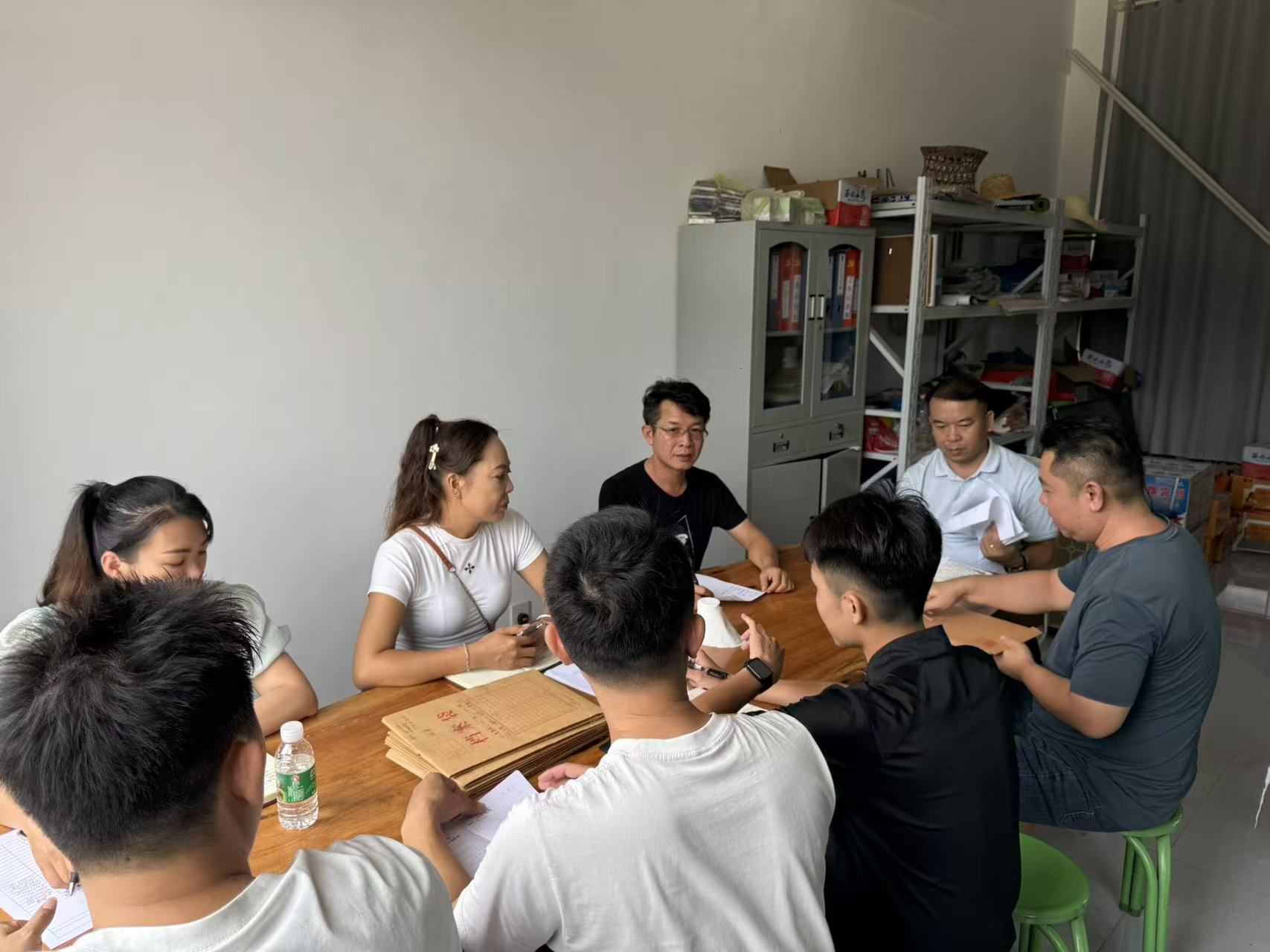
The project organises smallholder farmers into groups to facilitate resource sharing and support collective FSC certification. Activities include baseline assessment, training on FSC requirements and good management practices, mapping and management of HCV areas, pre-assessment, support to address corrective actions and the development of a long-term group management framework. By September 2026, more than 1800 smallholder farmers had joined the group certification initiative.
Ecosystem Restoration
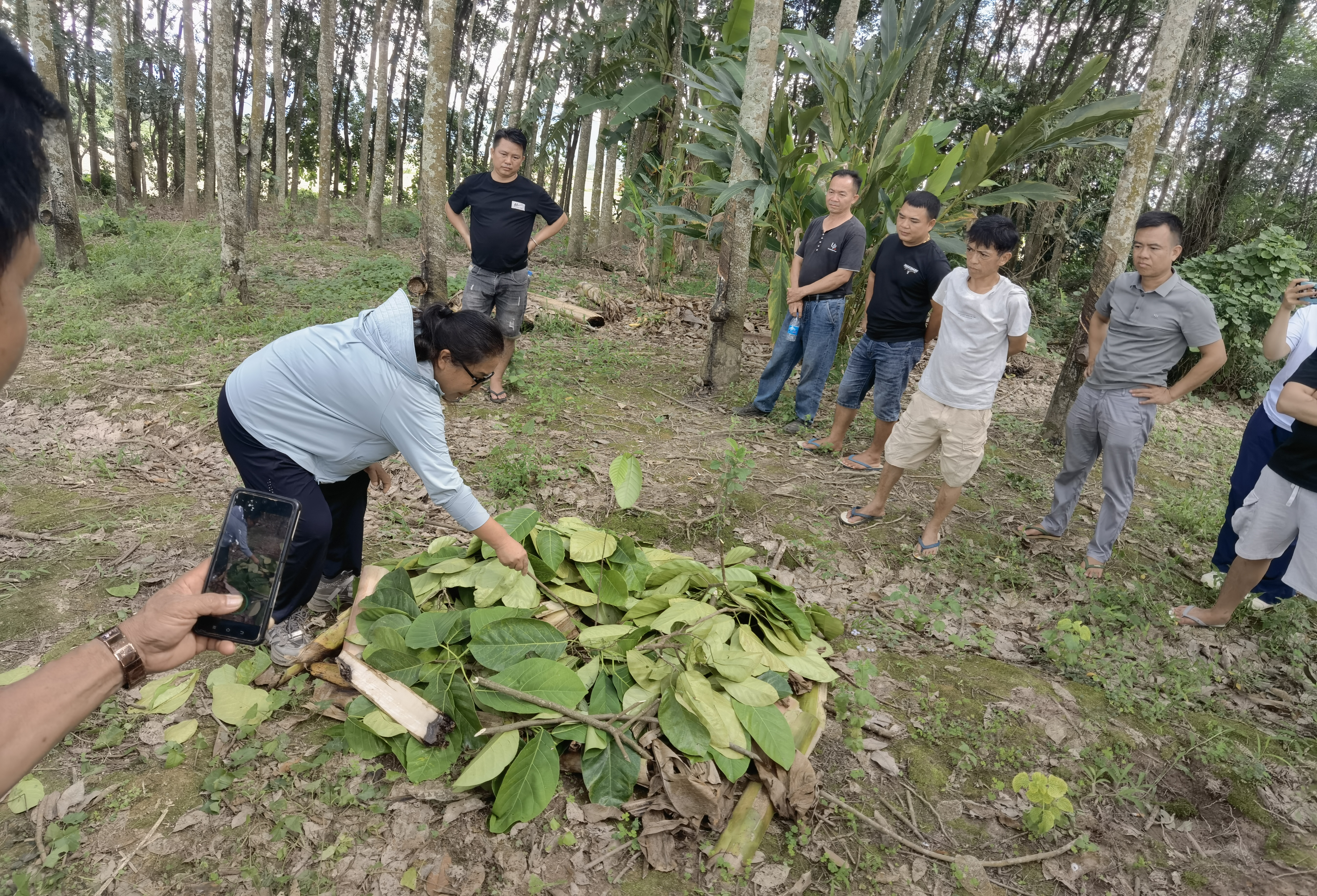
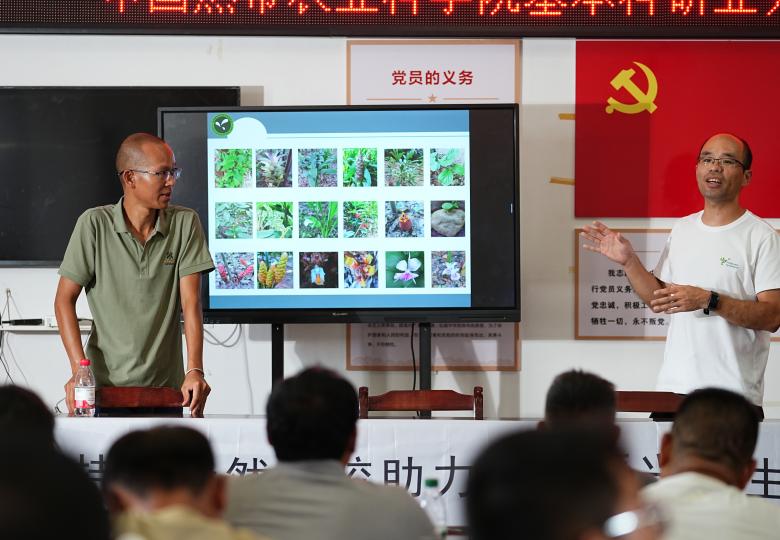
Farmer leaders receive training in locally adaptive restoration and agroforestry practices, including rubber-cocoa systems, soil improvement and biological approaches to disease and pest management. More than 40 community representatives have been trained to share these practices through demonstrations and peer learning. The project is also supporting trial rubber-cocoa planting using 2,000 cocoa seedlings and fostering collaboration among researchers, local enterprises, government specialists and communities.
Impact
The project aims to deliver multiple lasting benefits for positive impacts for both local communities and the environment through:
- Strengthened community autonomy through collective pool management of rubber collection and resources
- More accessible Improved access to sustainability knowledge and greater participation by women and community members
- Improved market access for smallholders through the adoption of sustainable production practices
- Enhanced environmental protection through improved plantation management techniques
- Increased awareness and adoption of ecosystem restoration practices
- Strengthened biodiversity and environmental resilience in rubber farming areas
- Long-term sustainability across the natural rubber supply chain


Detail Proyek
Judul
Revitalising Rural Communities and Restoring Ecosystems for Sustainable Natural Rubber in Xishuangbanna
Shuang Hu
Together we are stronger
Improving sustainable livelihoods for smallholders and restoring ecosystems in Xishuangbanna
Preferred by Nature and its partners are implementing two consecutive projects in Xishuangbanna, Yunnan Province, to help smallhol...

Landscape Enterprise Networks (LENs)
Landscape Enterprise Networks (LENs) is a collaborative, landscape-scale initiative that brings together farmers, businesses, publ...

Improving the contribution of the forestry sector to the fight against climate change
The ECO2FOR project responds to the urgent need to strengthen the fight against climate change by developing forestry projects tha...

Maliau Basin’s next decade: A strategic plan for Ecosystem Restoration Excellence
This decade-long strategic plan will restore degraded forest areas, strengthen ecological corridors, and establish Maliau Basin as...