HCV/HCS Screening and Awareness Raising in Lampung Tengah and Pesawaran, Lampung, Indonesia
Lampung is one of Indonesia’s leading agricultural regions, ranking second nationally in robusta coffee and pepper production and third in sugarcane. It is also a major producer of cocoa, natural rubber, palm oil and coconut.
The province is equally rich in biodiversity, hosting Intact Forest Landscapes, habitats for rare, threatened and endangered species, and ecosystems that provide vital services such as flood regulation, erosion control, carbon storage, and climate resilience. However, many of these areas lie outside formally protected zones and remain vulnerable to conversion and degradation.
Meanwhile, growing sustainability commitments and international market requirements, including the EU Deforestation Regulation (EUDR), are reinforcing the need to ensure agricultural growth does not come at the expense of forests and biodiversity.
What we do:
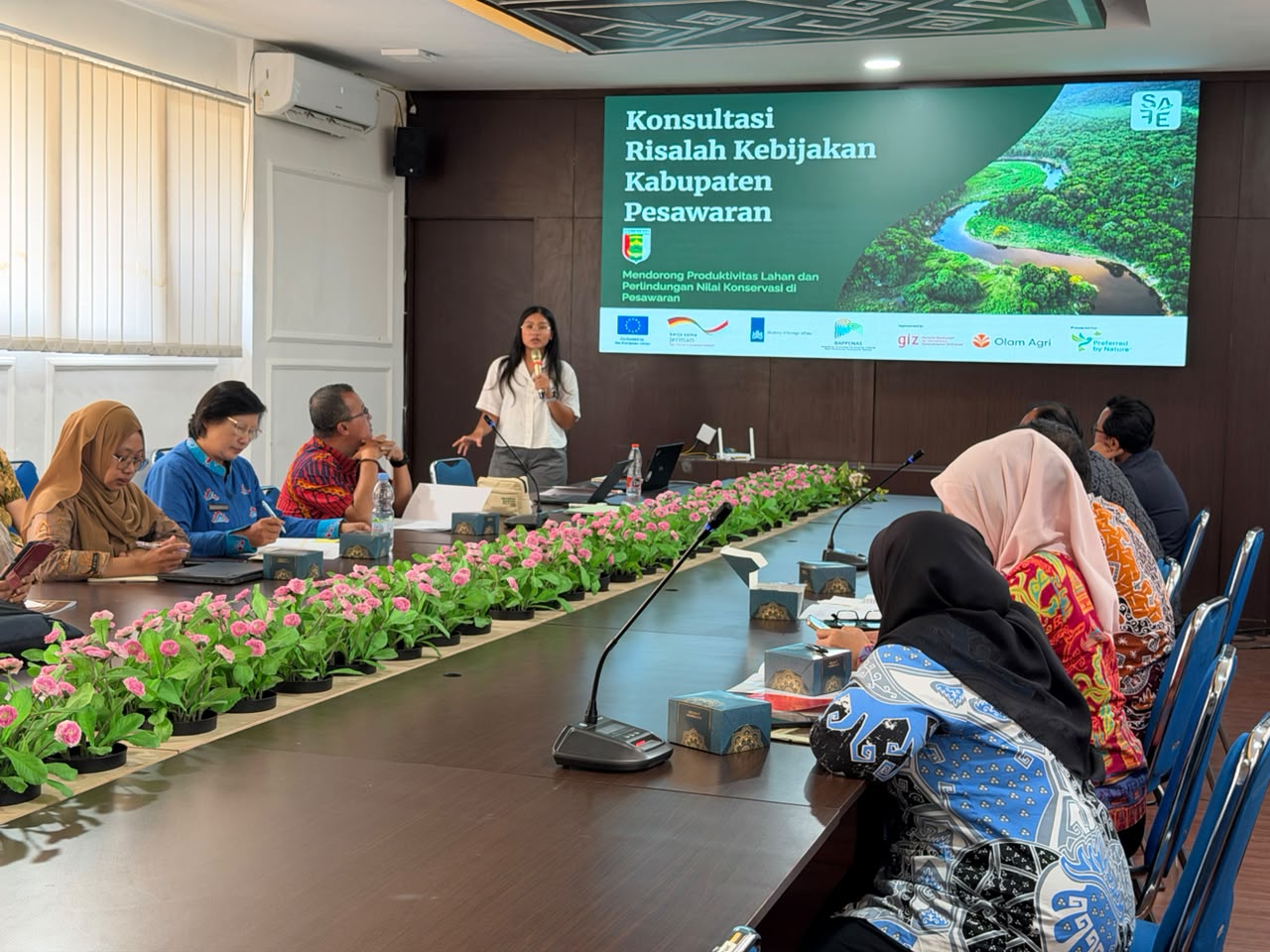
Commissioned by GIZ Indonesia, Preferred by Nature conducted a landscape-level identification of High Conservation Value (HCV) and High Carbon Stock (HCS) areas in Lampung Province, focusing on Lampung Tengah and Pesawaran districts. The assessment followed the HCV Screening Guide and focused on combining spatial analysis, stakeholder consultations and community engagement to identify ecologically important areas and inform conservation recommendations.
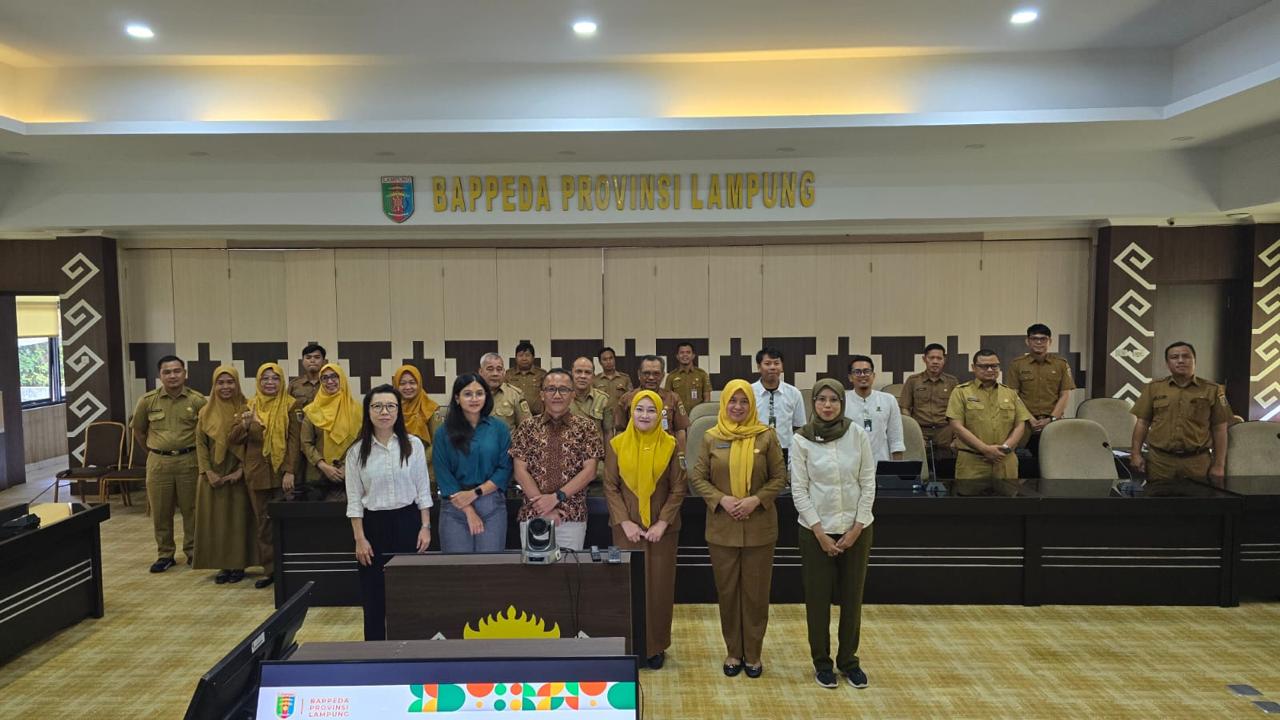
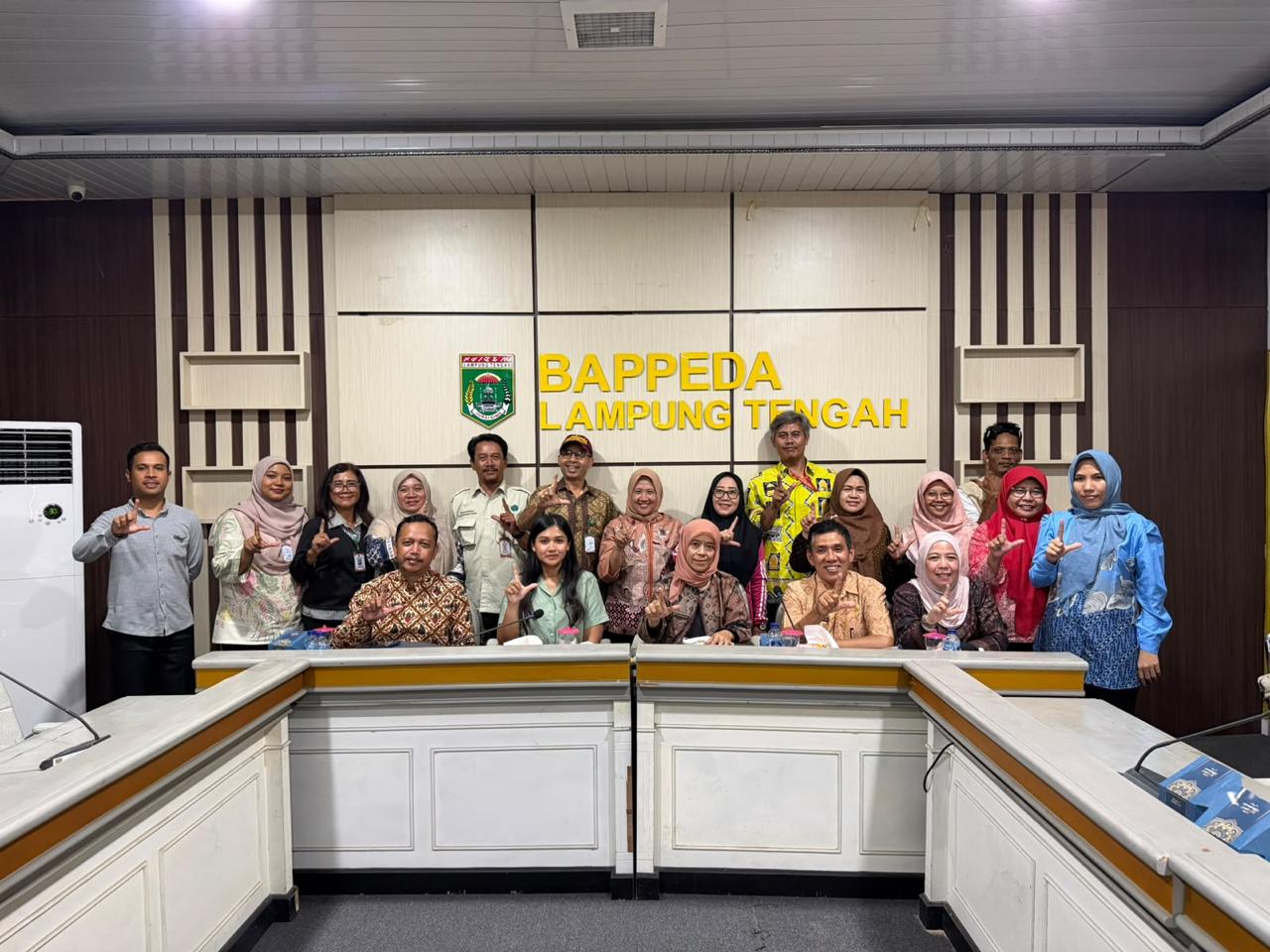
Building on the findings, Preferred by Nature engaged with provincial and district governments and developed policy brief documents to support the integration of HCV-HCS protection into regional development planning.
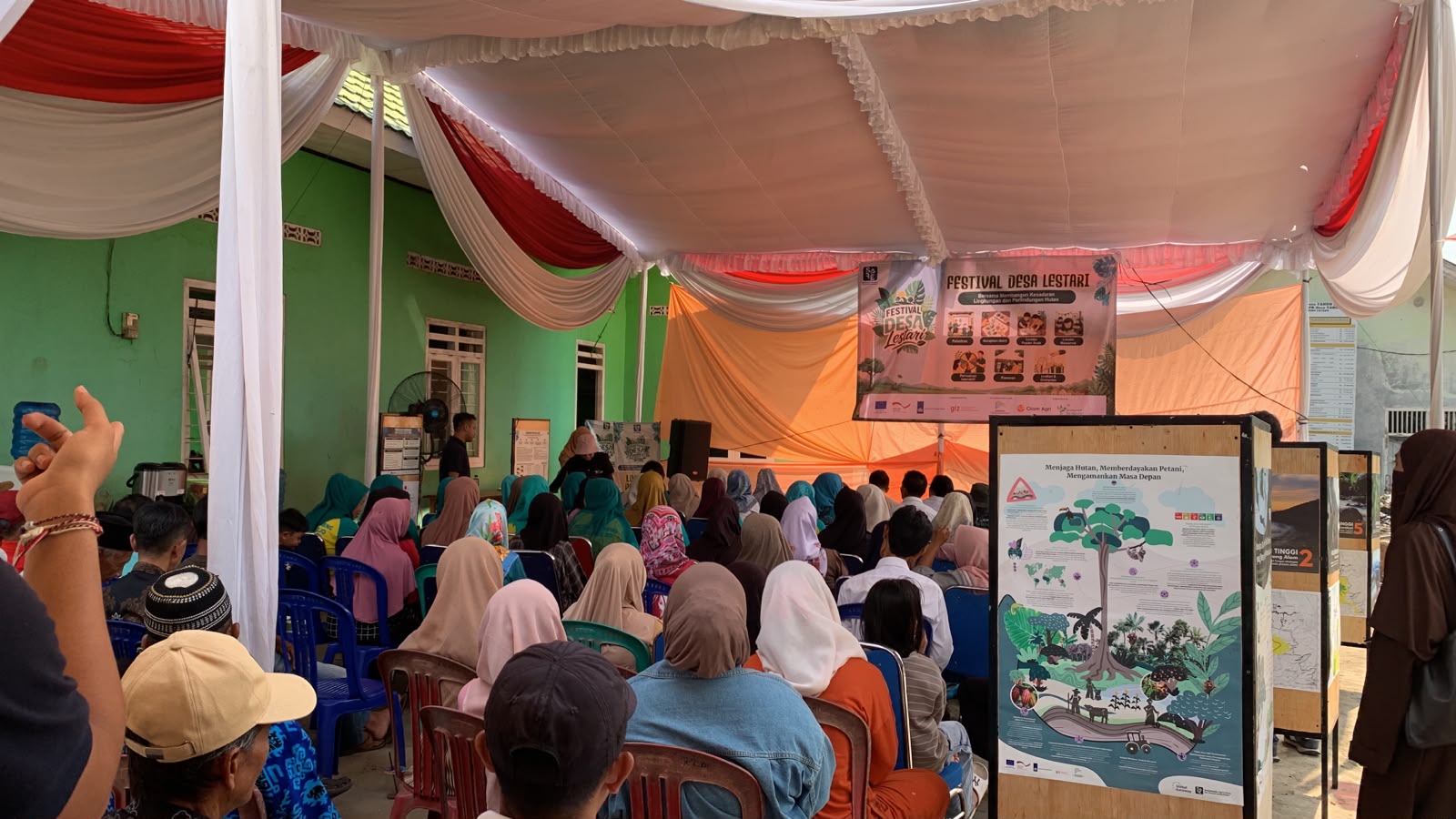
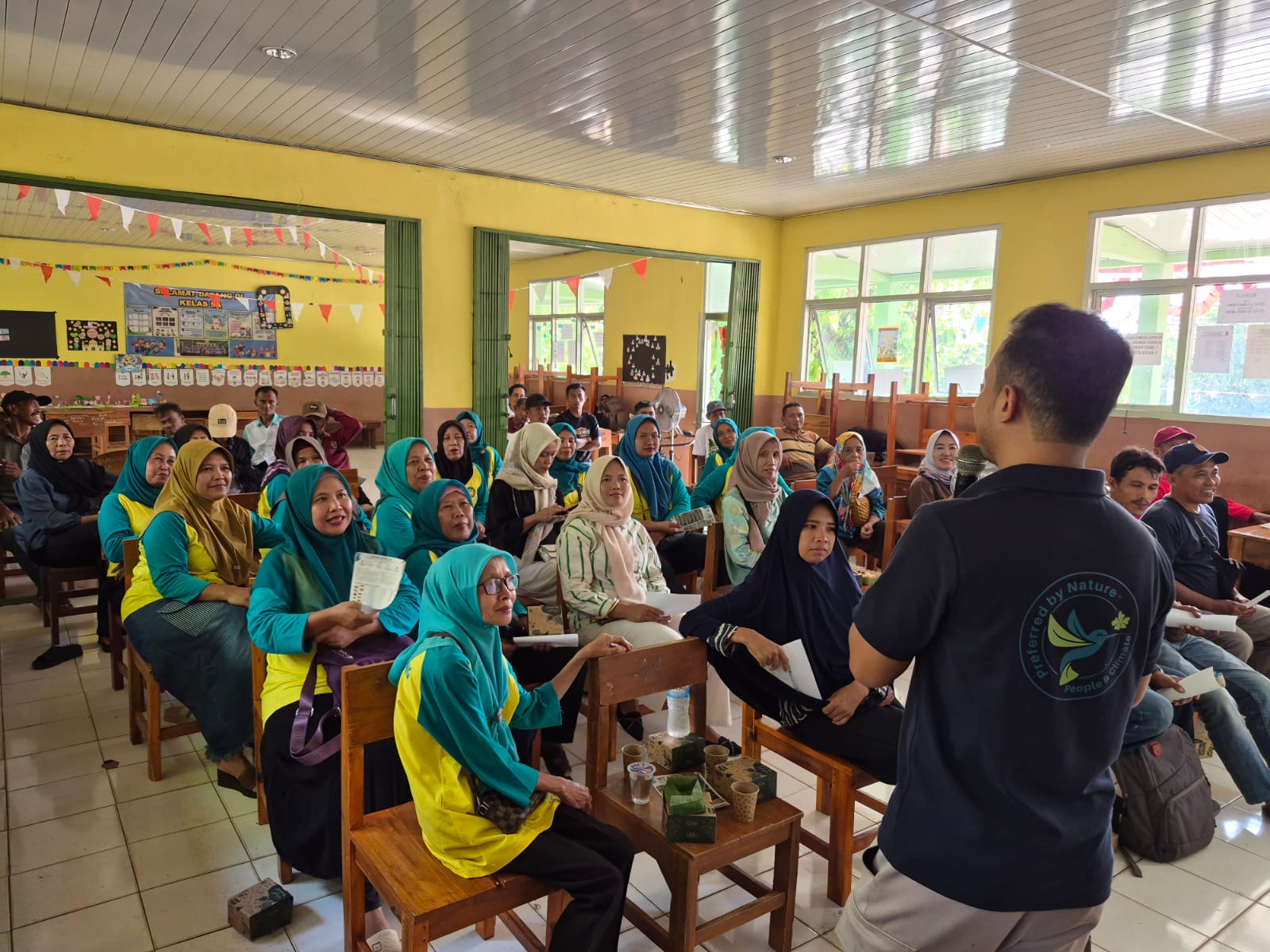
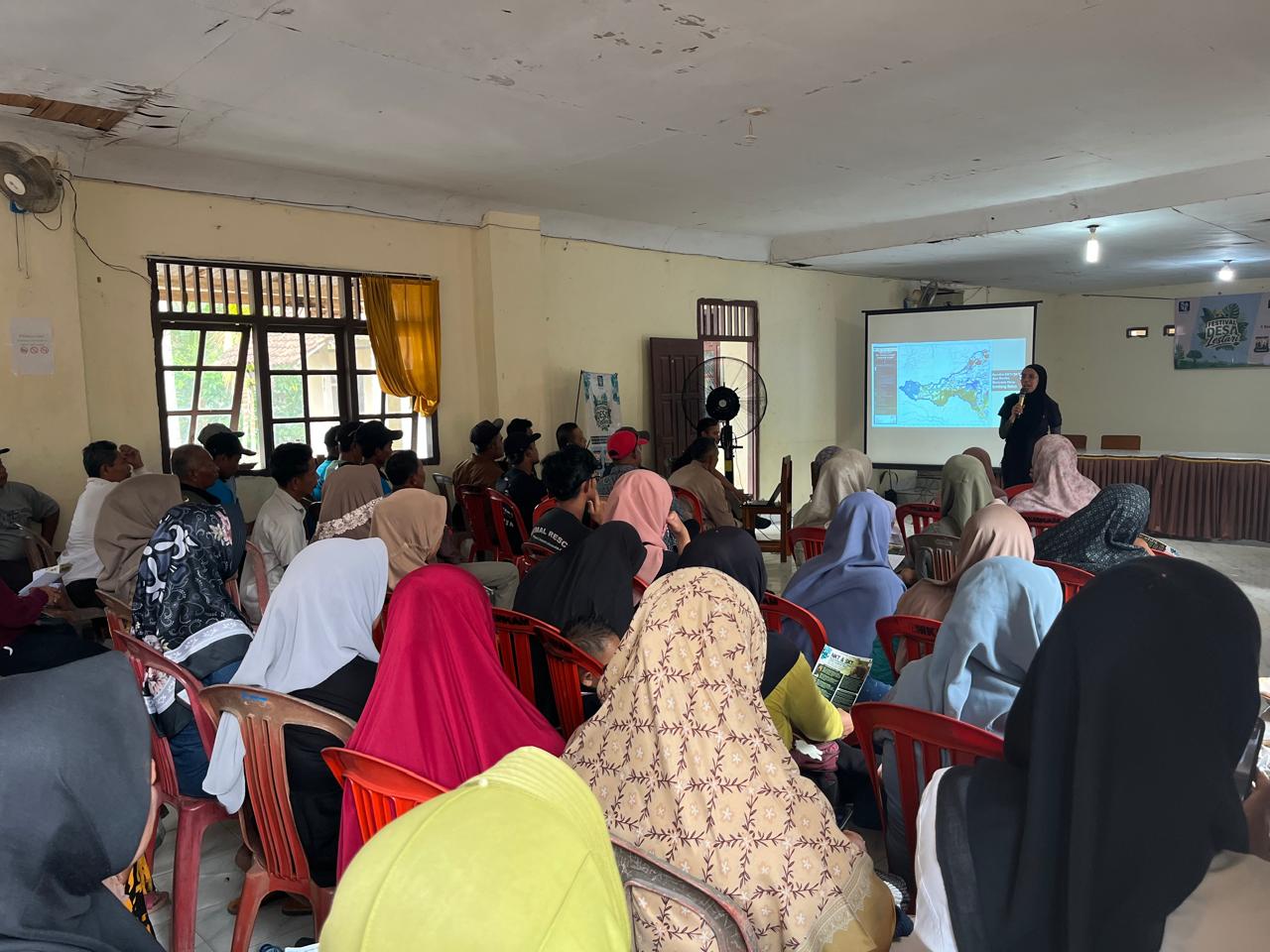
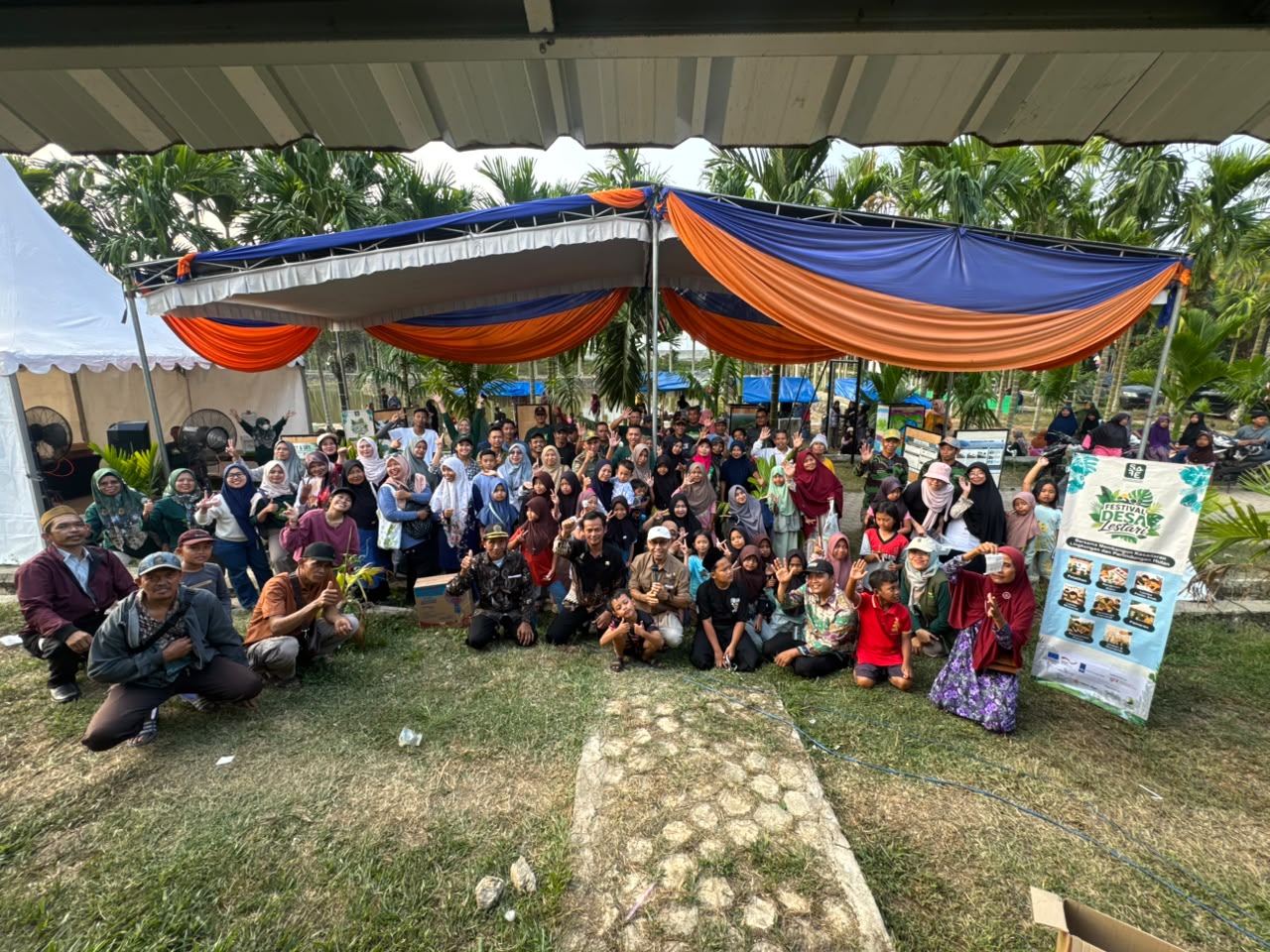
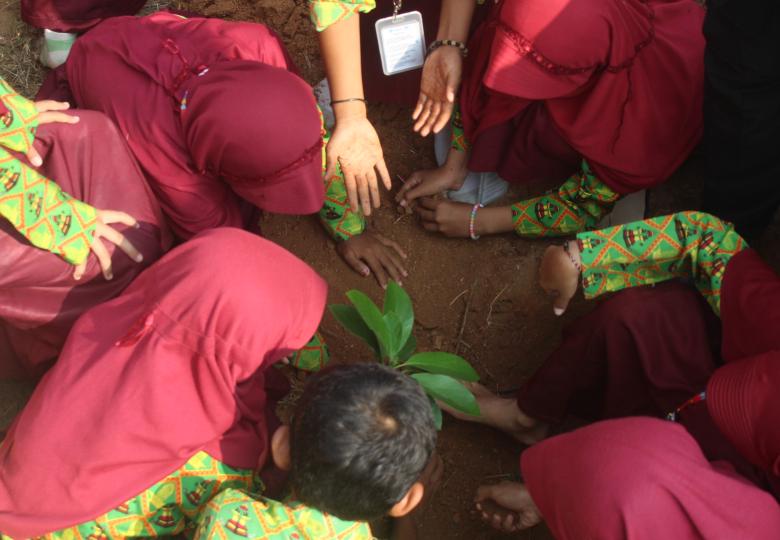
In August and September 2026, the project also organised a 10-day information, education, and communication (IEC) campaign, Festival Desa Lestari, reaching communities in 14 forest-bordering villages. Through educational and creative activities, the campaign promoted environmental awareness, sustainable practices and community stewardship of forests and biodiversity.
These activities are part of the Sustainable Agriculture for Forest Ecosystems (SAFE) project, implemented by GIZ Indonesia and co-funded by the European Union, the German Federal Ministry for Economic Cooperation and Development (BMZ), and the Ministry of Foreign Affairs of the Netherlands, in partnership with the Ministry of National Development Planning (BAPPENAS), specifically the Department of Food and Agriculture.
Beyond Lampung, the project also brings together experiences from SAFE interventions in Central Sulawesi and West Kalimantan, to identify good conservation approaches and opportunities for stronger policy and sustainable landscape management.
- Agricultural production and land-use change can increase pressure on forests, biodiversity and high-carbon-stock areas.
- HCV/HCS areas and the threats need to be better identified and translated into practical management actions.
- Communities need accessible information to understand conservation priorities and adopt more sustainable practices.
- Conservation of ecologically important areas requires stronger integration into development planning and better coordination across policy, regulatory and implementation frameworks.
- Smallholder farmers and local communities, including women, people with disabilities, youth and Indigenous Peoples and Local Communities (IPLCs).
- Provincial and district government institutions involved in development, environmental and land-use planning.
- Civil society and conservation organisations.
- Private-sector actors involved in agricultural supply chains.
- Identify HCV/HCS areas and assess deforestation and environmental degradation risks in Lampung Province, particularly Pesawaran and Lampung Tengah.
- Develop practical recommendations for the sustainable management and monitoring of HCV/HCS areas.
- Strengthen community awareness and support the integration of HCV/HCS management into provincial and district development planning.
- Facilitate national learning on approaches, legal frameworks and policy opportunities for conserving HCV/HCS areas outside state forests.
Project resources:


Project Details:
Title
HCV/HCS screening and awareness raising in two districts in Lampung Province
Ratna Patriana (Ria)
Together we are stronger
HCV/HCS Screening and Awareness Raising in Lampung Tengah and Pesawaran, Lampung, Indonesia
Lampung is one of Indonesia’s leading agricultural regions, ranking second nationally in robusta coffee and pepper production and ...

Landscape Enterprise Networks (LENs)
Landscape Enterprise Networks (LENs) is a collaborative, landscape-scale initiative that brings together farmers, businesses, publ...

Improving the contribution of the forestry sector to the fight against climate change
The ECO2FOR project responds to the urgent need to strengthen the fight against climate change by developing forestry projects tha...

Maliau Basin’s next decade: A strategic plan for Ecosystem Restoration Excellence
This decade-long strategic plan will restore degraded forest areas, strengthen ecological corridors, and establish Maliau Basin as...