Digital Traceability and Transparent Supply Chains Digital Traceability and Transparent Supply Chain-words test
Traceability systems help organisations collect, manage and share information across supply chains, improving transparency, accountability and responsible sourcing. These systems can help connect information from different actors and stages of the supply chain, making it easier to understand where products come from and how they move through different processes. Traceability systems help organisations collect, manage and share information across supply chains, improving transparency, accountability and responsible sourcing. These systems can help connect information from different actors and stages of the supply chain, making it easier to understand where products come from and how they move through different processes.
Introduction
Digital traceability is increasingly important for organisations that want to understand how products move through complex supply chains. A traceability system can collect information at different stages, connect records from different actors, and make relevant information available to users when it is needed. In many supply chains, information is still stored in separate spreadsheets, databases, documents, or software platforms. This can make it difficult to follow a product from its original source through processing, transportation, trading, and final sale. Digital systems can help bring these records together and provide a clearer picture of the product journey. They can also support organisations in identifying gaps in information, checking whether required data has been provided, and communicating relevant information to business partners, auditors, authorities, or consumers.
Data and Information Management
However, having a digital system does not automatically mean that a supply chain is fully traceable. The quality of a traceability system depends on the information collected, how accurately it is recorded, how frequently it is updated, and whether different actors can connect their records. For example, a producer may record information about a farm and the quantity harvested, while a trader may record a purchase and a processor may record a transformation into another product. If these records are not connected, it may be difficult to establish that the material received by the processor is the same material that was previously recorded by the trader and producer. Clear data structures, consistent identifiers, and agreed procedures can therefore be important for connecting information across different stages of a supply chain.
Interoperability
Different organisations may also use different digital tools for their own operations. One company may use a commercial software platform, another may use an internal database, and a producer organisation may rely on a mobile application or spreadsheet. These systems may collect useful information but may not always communicate with one another. This can create data silos, where information remains within one system and cannot easily be accessed or reconciled with information held elsewhere. It can also lead to duplication because the same information may need to be entered into several systems. Interoperability can help address these problems by allowing different systems to exchange relevant information while allowing each organisation to continue using the technology that fits its needs.
Types of Traceability Information
Traceability can involve different types of information depending on the sector, product, and purpose of the system. Information may include details about producers, production sites, products, quantities, transactions, processing activities, transportation, certificates, and other supply chain events. Some systems may also collect geographic information, such as farm boundaries or locations, while others may focus mainly on commercial transactions and product movements. The information that is necessary should therefore be considered in relation to the specific traceability objective. A system designed for regulatory due diligence may require different information from a system designed mainly to provide consumer-facing product information or to manage internal supply chain operations.
Data Ownership and Access
Data ownership and access are also important considerations. Different actors may be willing to share different types of information, and some information may be commercially sensitive. A traceability system therefore needs to consider who can enter information, who can view it, who can change it, and who is responsible for maintaining its accuracy. Appropriate access controls can help ensure that users see the information relevant to their role. At the same time, organisations need sufficient transparency to allow information to be checked and connected across the supply chain. Finding a suitable balance between data sharing, confidentiality, and accountability can be an important part of designing a traceability system.
Product Movements and Chain of Custody
Another important issue is how the system deals with changes in products as they move through the supply chain. Products may be combined, divided into smaller quantities, transformed into other products, or mixed with materials from different sources. A useful traceability system needs to maintain links between these events so that users can understand what happened to the material at each stage. This is particularly relevant when different Chain of Custody models are used. The system may need to record information about quantities entering and leaving a process and ensure that claims about certified or responsible material are supported by appropriate records. The exact approach will depend on the rules and requirements of the relevant supply chain or sustainability system.
Implementation and Users
Finally, effective traceability is not only a technical issue. It also depends on the people and organisations using the system. Users need to understand what information they are expected to provide and why it is required. Organisations may need training, technical support, clear guidance, and procedures for correcting errors. Systems also need to be practical enough for users at different stages of the supply chain, including actors who may have limited connectivity, equipment, or technical capacity. A well-designed approach therefore combines appropriate technology with clear processes, responsibilities, and communication. When these elements work together, digital traceability can help create more connected, transparent, and reliable supply chains.
. INTRODUCTION
The increasing interaction between human and Asiatic black bear (Ursus thibetanus) is a significant conservation challenge in Asia (Ji et al., 2022). Although, listed as vulnerable globally by the IUCN and endangered in Nepal (Jnawali et al., 2011; DNPWC, 2017), Asiatic black bear has received much lower attention in comparison to other charismatic species of Nepal (Jnawali et al., 2011) and there is limited information on the threats to black bear and human-bear interactions in Nepal (Stubblefield & Shrestha, 2007). Their population is estimated to be small, around 500 individuals, and numbers are reportedly declining. The rising trend of human-bear interactions is becoming serious threats to its population in Nepal, although conservation activities are undertaken inside conservation areas in Nepal (Kadariya et al., 2018; Rawal et al., 2024). They are suffering severe habitat loss and fragmentation, resulting in dramatic range contractions (Waqar et al., 2024), while poaching, illegal trade, particularly in bear parts; continue to threaten populations (Long & Li, 2025). Additionally, climate change is disrupting autumn food availability and may escalate human–bear conflict (Zahoor et al., 2021; Long & Li, 2025). Over the past three decades, the global population of black bears has dropped by 30–40%, and if meaningful conservation steps are not taken, this decline is likely to continue at a similar rate for the next thirty years (Subedi, 2018).
On the other hand, Asiatic black bears have emerged as a significant concern for local people confronting numerous threats. This has been compounded by insufficient knowledge regarding their status, threats, and ecological needs (Stubblefield & Shrestha, 2007), as well as hunting- notably for the traditionally valued gallbladder (Rawal et al., 2024). Between 2010 and 2014 in Nepal, about 115 people annually were harmed by large mammals including Asiatic black bear (Acharya et al., 2016). Based on Household Vulnerability Index (HVI), the Kunjo Village in Mustang district has been recognized as the most vulnerable one (Thapa-Parajuli et al., 2025). This is contributed by dependence on forest and agriculture-based cultivation due to limited economic alternatives for the local people, leading to overlap in resource use with Asiatic black bear (Ali et al., 2024). Bears usually avoid people and their settlement, but they search for food near settlement areas in early winter or late autumn (Takahata et al., 2014, Mori et al., 2018). This overlap in resource with humans such as agricultural crops, bamboo shoots, livestock, fruits and nuts result in increased crop foraging by bears, livestock predation, and direct human attacks (Mori et al., 2021; Zahoor et al., 2021). The himalayan regions of Nepal like mustang district has experienced increase in forest fire (Poudel et al., 2023), land use changes, tourism-related development and agricultural intensification influencing wildlife movement and crop-foraging incidents (Meier et al., 2022). These could exacerbate the scarcity of important resources (i.e., water and food), possibly leading to increase in human-bear interactions (Zahoor et al., 2021). There is an urgent need to promote human-wildlife coexistence in shared landscapes. Coexistence doesn’t imply the absence of conflict, but rather the ability to manage, which remains poorly understood (Carter and Linnell, 2023). The complexity lies in identifying mitigation strategies that are affordable, technically simple, and sustainable over time, while also functioning within the socio-economic limitations of rural societies and conservation management frameworks (Scotson et al., 2014).
Despite existing studies in distribution, dietary patterns, habitat use, conflict hotspots in the mid-hills and Himalayan regions of Nepal (Panthi et al., 2019; Acharya et al., 2016), key gaps exist in understanding of human–bear interaction dynamics, particularly regarding the crop foraging by bears and attitude towards conservation of Asiatic black bears.
Although a lot of the literature highlights ecological carrying capacity, sustainable conservation also requires comprehension of social carrying capacity-the level of tolerance shown by local communities; determined by livelihood reliance, cultural perspectives, and perceived risk (Nyhus, 2016). Empirical evidence for these social aspects in high-altitude regions like Mustang is limited. This study aims to fill these gaps by examining the perceived threats to Asiatic black bear, crop foraging behavior, and perception of local people towards the conservation of Asiatic black bear at Mustang district. To address these objectives, we employed a mixed-methods approach involving preliminary survey, key informant interviews, focus group discussions, and household survey. This comprehensive investigation of Asiatic black bears seeks to develop practical management strategies to foster human–bear coexistence and support the long-term survival of this notable species.
- MATERIALS AND METHODOLOGY
2.1 Study Area
The Kunjo area, located within Thasang Rural Municipality in Mustang district was taken as study site (Figure 1). Situated in the Annapurna Conservation Area (ACA) at approximately 28°39'18" N latitude and 83°38'8" E longitude, this region lies at an elevation of 2715 meters. Formally designated as a Village Development Committee, Kunjo was restructured in 2017 into Ward No. 5 of Thasang Rural Municipality. The total area of Kunjo is 45.9 km2 with forest cover of 13.7 km2, encompassing both the forested regions and local households. Dominant vegetation species include himalayan pine (Pinus wallichiana), gurans (Rhododendron arboreum), himalayan hemlock (Tsuga dumosa), and common yew (Taxus buccata). The area is also home to associated wildlife species of Asiatic black bear like the musk deer (Moschus chrysogaster), bharal (Pseudois nayaur), himalayan wolf (Canis himalayensis), common leopard (Panthera pardus), and yellow-throated marten (Martes flavigula) (Bista & Aryal, 2013). Traditionally, the local population has relied heavily on surrounding mountain forests for resources, such as firewood, fodder, medicinal plants, wild edibles, grazing land, and as cultural and spiritual sites. These forests have undergone notable changes such as gradual vegetation recovery and increased undergrowth following reduced anthropogenic pressure due to migration and tourism, yet local communities continue to depend on them for subsistence (Kadariya, 2018).
- Data Collection
Ethics Approval: This study was approved by [Institution’s name redacted to preserve anonymity] Ethics Committee, with permit numbers [partially redacted].
The study was conducted over six months, from February to July 2023 in Kunjo village of Mustang district. As part of the broader study design, camera traps were also deployed in 5 different locations of Kunjo forest of the study area to complement community-based data collection. However, as the fieldwork was conducted slightly earlier than the peak activity period of Asiatic black bears, only two bears signs were recorded (one fresh scrap and one scat). Consequently, camera trap data were excluded from subsequent analyses, and the study focused on household surveys, key informant interviews, and focus group discussions. The number of key informants and focus group participants was limited, this reflected both the study area's small population and the selection of individuals with significant understanding of local wildlife interactions.
2.2.1 Preliminary survey
A meeting was held with staff from the Annapurna Conservation Area (ACA) office, the Divisional Forest Office (DFO) in Mustang, the Conservation Area Management Committee (CAMC), the Forest Management Sub-Committee (FMSC) and local people to assess the potential habitats of the species along with key areas affected by crop foraging. Furthermore, the ward office of the Thasang Rural Municipality (Ward No. 5) was visited to collect information on the total number of households residing in the area.
2.2.2 Key informant interview
A total of five key informants were interviewed, including a staff member from the rural municipality, a Conservation Area Management Committee (CAMC) representative, a local herder, a teacher, and an Annapurna Conservation Area Project (ACAP) staff. As a part of social survey, these interviews aimed to identify the most and least affected villages in the study area. Open-ended questions were used to gather information on crop foraging, types of livestock, livestock depredation, human casualties, village conservation dynamics, and collective efforts for conservation.
2.2.3 Focus Group Discussion
Altogether two focus group discussions were conducted, each involving 7–8 participants. These included a teacher, the secretary and chairman of the Forest Management Sub-Committee (FMSC), the village mukhiya (leader), a local herder, and other social activists. Each discussion lasted for about an hour and gathered information about the possible habitat location of Asiatic black bear, interactions involving damage to property, day-to-day life and crop production, their causes, and adaptive measures to reduce the risks. Additionally, the discussions explored participants' perceptions of Asiatic black bear conservation and helped to verify the reliability of the collected data.
2.2.4 Household Survey
The household survey was conducted in Ward No. 5 of Thasang Rural Municipality, including a total of 134 households (N). The sample size (n=70) was determined using Slovin's formula-allowing for marginal error of 8%:
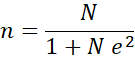
Where, n = Number of samples,
N = Total population
e = Marginal error
From the complete household list obtained from the ward office, 70 households were randomly selected using a lottery method to ensure equal representation. When the chosen households were unavailable, extra households were randomly picked from the remaining list to achieve the desired sample size. Door-to-door visits were made to carry out in-person interviews with members of households who were present. Verbal consent was obtained from each participant, assuring that their responses would remain confidential and used exclusively for research purposes. No identifying information was included in reports or publications. The semi-structured questionnaires were used to obtain information about the socio-economic aspects of respondents, crop production, foraging by Asiatic black bear, livestock depredation and damage amount. Crop damage was quantified based on household survey responses, where respondents reported the amount of crops lost to Asiatic black bears relative to their total annual production. Structured questions focused on identifying perceived threats (forest fire, climate change, habitat loss and hunting/poaching) to Asiatic black bear and assessing people's attitude towards its conservation. In addition, respondents were invited to suggest potential strategies to mitigate conflicts. In-person interviews were conducted solely to administer the questionnaire.
The survey was carried out with the help of a field assistant and a staff member from local community. Their presence made it easier to build trust with respondents, resulting in more accurate and reliable information.
2.2.7 Secondary Data Collection
Secondary data were collected from the Annapurna Conservation Area Office in Jomsom, which provided information on human-Asiatic black bear interaction cases and compensation schemes. Additional data were obtained from published research articles, which supported the analysis.
2.3 Data Analysis
We conducted a regression analysis to describe the association between response variable (average crop loss in kg) and predictor variable (distance from forest in km). Non-parametric chi-square test was used to examine whether the people's perceptions on Asiatic black bear conservation were significantly influenced by different socio-economic characteristics (gender, ethnicity, religion and well-being) of the respondents. The average annual crop production and crop loss (in kg) was estimated, and one-way ANOVA test was used to estimate whether the average crop loss was significantly associated with socio-economic characteristics of the (gender, ethnicity, religion and well-being) of the respondents.
To identify the existing conservation threats to the Asiatic black bear, three major threat assessment methods were employed: literature review, informal discussions and field observations These methods identified four primary threats: habitat loss, forest fire, climate change, and hunting/poaching. To evaluate the perceived severity of these threats, a household survey was conducted, and Friedman's test was applied for analysis. The threats were ranked from lowest to highest; with a rank of 1 indicating very high severity and 4 indicating low severity.. INTRODUCTION
The increasing interaction between human and Asiatic black bear (Ursus thibetanus) is a significant conservation challenge in Asia (Ji et al., 2022). Although, listed as vulnerable globally by the IUCN and endangered in Nepal (Jnawali et al., 2011; DNPWC, 2017), Asiatic black bear has received much lower attention in comparison to other charismatic species of Nepal (Jnawali et al., 2011) and there is limited information on the threats to black bear and human-bear interactions in Nepal (Stubblefield & Shrestha, 2007). Their population is estimated to be small, around 500 individuals, and numbers are reportedly declining. The rising trend of human-bear interactions is becoming serious threats to its population in Nepal, although conservation activities are undertaken inside conservation areas in Nepal (Kadariya et al., 2018; Rawal et al., 2024). They are suffering severe habitat loss and fragmentation, resulting in dramatic range contractions (Waqar et al., 2024), while poaching, illegal trade, particularly in bear parts; continue to threaten populations (Long & Li, 2025). Additionally, climate change is disrupting autumn food availability and may escalate human–bear conflict (Zahoor et al., 2021; Long & Li, 2025). Over the past three decades, the global population of black bears has dropped by 30–40%, and if meaningful conservation steps are not taken, this decline is likely to continue at a similar rate for the next thirty years (Subedi, 2018).
On the other hand, Asiatic black bears have emerged as a significant concern for local people confronting numerous threats. This has been compounded by insufficient knowledge regarding their status, threats, and ecological needs (Stubblefield & Shrestha, 2007), as well as hunting- notably for the traditionally valued gallbladder (Rawal et al., 2024). Between 2010 and 2014 in Nepal, about 115 people annually were harmed by large mammals including Asiatic black bear (Acharya et al., 2016). Based on Household Vulnerability Index (HVI), the Kunjo Village in Mustang district has been recognized as the most vulnerable one (Thapa-Parajuli et al., 2025). This is contributed by dependence on forest and agriculture-based cultivation due to limited economic alternatives for the local people, leading to overlap in resource use with Asiatic black bear (Ali et al., 2024). Bears usually avoid people and their settlement, but they search for food near settlement areas in early winter or late autumn (Takahata et al., 2014, Mori et al., 2018). This overlap in resource with humans such as agricultural crops, bamboo shoots, livestock, fruits and nuts result in increased crop foraging by bears, livestock predation, and direct human attacks (Mori et al., 2021; Zahoor et al., 2021). The himalayan regions of Nepal like mustang district has experienced increase in forest fire (Poudel et al., 2023), land use changes, tourism-related development and agricultural intensification influencing wildlife movement and crop-foraging incidents (Meier et al., 2022). These could exacerbate the scarcity of important resources (i.e., water and food), possibly leading to increase in human-bear interactions (Zahoor et al., 2021). There is an urgent need to promote human-wildlife coexistence in shared landscapes. Coexistence doesn’t imply the absence of conflict, but rather the ability to manage, which remains poorly understood (Carter and Linnell, 2023). The complexity lies in identifying mitigation strategies that are affordable, technically simple, and sustainable over time, while also functioning within the socio-economic limitations of rural societies and conservation management frameworks (Scotson et al., 2014).
Despite existing studies in distribution, dietary patterns, habitat use, conflict hotspots in the mid-hills and Himalayan regions of Nepal (Panthi et al., 2019; Acharya et al., 2016), key gaps exist in understanding of human–bear interaction dynamics, particularly regarding the crop foraging by bears and attitude towards conservation of Asiatic black bears.
Although a lot of the literature highlights ecological carrying capacity, sustainable conservation also requires comprehension of social carrying capacity-the level of tolerance shown by local communities; determined by livelihood reliance, cultural perspectives, and perceived risk (Nyhus, 2016). Empirical evidence for these social aspects in high-altitude regions like Mustang is limited. This study aims to fill these gaps by examining the perceived threats to Asiatic black bear, crop foraging behavior, and perception of local people towards the conservation of Asiatic black bear at Mustang district. To address these objectives, we employed a mixed-methods approach involving preliminary survey, key informant interviews, focus group discussions, and household survey. This comprehensive investigation of Asiatic black bears seeks to develop practical management strategies to foster human–bear coexistence and support the long-term survival of this notable species.
- MATERIALS AND METHODOLOGY
2.1 Study Area
The Kunjo area, located within Thasang Rural Municipality in Mustang district was taken as study site (Figure 1). Situated in the Annapurna Conservation Area (ACA) at approximately 28°39'18" N latitude and 83°38'8" E longitude, this region lies at an elevation of 2715 meters. Formally designated as a Village Development Committee, Kunjo was restructured in 2017 into Ward No. 5 of Thasang Rural Municipality. The total area of Kunjo is 45.9 km2 with forest cover of 13.7 km2, encompassing both the forested regions and local households. Dominant vegetation species include himalayan pine (Pinus wallichiana), gurans (Rhododendron arboreum), himalayan hemlock (Tsuga dumosa), and common yew (Taxus buccata). The area is also home to associated wildlife species of Asiatic black bear like the musk deer (Moschus chrysogaster), bharal (Pseudois nayaur), himalayan wolf (Canis himalayensis), common leopard (Panthera pardus), and yellow-throated marten (Martes flavigula) (Bista & Aryal, 2013). Traditionally, the local population has relied heavily on surrounding mountain forests for resources, such as firewood, fodder, medicinal plants, wild edibles, grazing land, and as cultural and spiritual sites. These forests have undergone notable changes such as gradual vegetation recovery and increased undergrowth following reduced anthropogenic pressure due to migration and tourism, yet local communities continue to depend on them for subsistence (Kadariya, 2018).
- Data Collection
Ethics Approval: This study was approved by [Institution’s name redacted to preserve anonymity] Ethics Committee, with permit numbers [partially redacted].
The study was conducted over six months, from February to July 2023 in Kunjo village of Mustang district. As part of the broader study design, camera traps were also deployed in 5 different locations of Kunjo forest of the study area to complement community-based data collection. However, as the fieldwork was conducted slightly earlier than the peak activity period of Asiatic black bears, only two bears signs were recorded (one fresh scrap and one scat). Consequently, camera trap data were excluded from subsequent analyses, and the study focused on household surveys, key informant interviews, and focus group discussions. The number of key informants and focus group participants was limited, this reflected both the study area's small population and the selection of individuals with significant understanding of local wildlife interactions.
2.2.1 Preliminary survey
A meeting was held with staff from the Annapurna Conservation Area (ACA) office, the Divisional Forest Office (DFO) in Mustang, the Conservation Area Management Committee (CAMC), the Forest Management Sub-Committee (FMSC) and local people to assess the potential habitats of the species along with key areas affected by crop foraging. Furthermore, the ward office of the Thasang Rural Municipality (Ward No. 5) was visited to collect information on the total number of households residing in the area.
2.2.2 Key informant interview
A total of five key informants were interviewed, including a staff member from the rural municipality, a Conservation Area Management Committee (CAMC) representative, a local herder, a teacher, and an Annapurna Conservation Area Project (ACAP) staff. As a part of social survey, these interviews aimed to identify the most and least affected villages in the study area. Open-ended questions were used to gather information on crop foraging, types of livestock, livestock depredation, human casualties, village conservation dynamics, and collective efforts for conservation.
2.2.3 Focus Group Discussion
Altogether two focus group discussions were conducted, each involving 7–8 participants. These included a teacher, the secretary and chairman of the Forest Management Sub-Committee (FMSC), the village mukhiya (leader), a local herder, and other social activists. Each discussion lasted for about an hour and gathered information about the possible habitat location of Asiatic black bear, interactions involving damage to property, day-to-day life and crop production, their causes, and adaptive measures to reduce the risks. Additionally, the discussions explored participants' perceptions of Asiatic black bear conservation and helped to verify the reliability of the collected data.
2.2.4 Household Survey
The household survey was conducted in Ward No. 5 of Thasang Rural Municipality, including a total of 134 households (N). The sample size (n=70) was determined using Slovin's formula-allowing for marginal error of 8%:
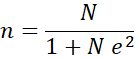
Where, n = Number of samples,
N = Total population
e = Marginal error
From the complete household list obtained from the ward office, 70 households were randomly selected using a lottery method to ensure equal representation. When the chosen households were unavailable, extra households were randomly picked from the remaining list to achieve the desired sample size. Door-to-door visits were made to carry out in-person interviews with members of households who were present. Verbal consent was obtained from each participant, assuring that their responses would remain confidential and used exclusively for research purposes. No identifying information was included in reports or publications. The semi-structured questionnaires were used to obtain information about the socio-economic aspects of respondents, crop production, foraging by Asiatic black bear, livestock depredation and damage amount. Crop damage was quantified based on household survey responses, where respondents reported the amount of crops lost to Asiatic black bears relative to their total annual production. Structured questions focused on identifying perceived threats (forest fire, climate change, habitat loss and hunting/poaching) to Asiatic black bear and assessing people's attitude towards its conservation. In addition, respondents were invited to suggest potential strategies to mitigate conflicts. In-person interviews were conducted solely to administer the questionnaire.
The survey was carried out with the help of a field assistant and a staff member from local community. Their presence made it easier to build trust with respondents, resulting in more accurate and reliable information.
2.2.7 Secondary Data Collection
Secondary data were collected from the Annapurna Conservation Area Office in Jomsom, which provided information on human-Asiatic black bear interaction cases and compensation schemes. Additional data were obtained from published research articles, which supported the analysis.
2.3 Data Analysis
We conducted a regression analysis to describe the association between response variable (average crop loss in kg) and predictor variable (distance from forest in km). Non-parametric chi-square test was used to examine whether the people's perceptions on Asiatic black bear conservation were significantly influenced by different socio-economic characteristics (gender, ethnicity, religion and well-being) of the respondents. The average annual crop production and crop loss (in kg) was estimated, and one-way ANOVA test was used to estimate whether the average crop loss was significantly associated with socio-economic characteristics of the (gender, ethnicity, religion and well-being) of the respondents.
To identify the existing conservation threats to the Asiatic black bear, three major threat assessment methods were employed: literature review, informal discussions and field observations These methods identified four primary threats: habitat loss, forest fire, climate change, and hunting/poaching. To evaluate the perceived severity of these threats, a household survey was conducted, and Friedman's test was applied for analysis. The threats were ranked from lowest to highest; with a rank of 1 indicating very high severity and 4 indicating low severity.. INTRODUCTION
The increasing interaction between human and Asiatic black bear (Ursus thibetanus) is a significant conservation challenge in Asia (Ji et al., 2022). Although, listed as vulnerable globally by the IUCN and endangered in Nepal (Jnawali et al., 2011; DNPWC, 2017), Asiatic black bear has received much lower attention in comparison to other charismatic species of Nepal (Jnawali et al., 2011) and there is limited information on the threats to black bear and human-bear interactions in Nepal (Stubblefield & Shrestha, 2007). Their population is estimated to be small, around 500 individuals, and numbers are reportedly declining. The rising trend of human-bear interactions is becoming serious threats to its population in Nepal, although conservation activities are undertaken inside conservation areas in Nepal (Kadariya et al., 2018; Rawal et al., 2024). They are suffering severe habitat loss and fragmentation, resulting in dramatic range contractions (Waqar et al., 2024), while poaching, illegal trade, particularly in bear parts; continue to threaten populations (Long & Li, 2025). Additionally, climate change is disrupting autumn food availability and may escalate human–bear conflict (Zahoor et al., 2021; Long & Li, 2025). Over the past three decades, the global population of black bears has dropped by 30–40%, and if meaningful conservation steps are not taken, this decline is likely to continue at a similar rate for the next thirty years (Subedi, 2018).
On the other hand, Asiatic black bears have emerged as a significant concern for local people confronting numerous threats. This has been compounded by insufficient knowledge regarding their status, threats, and ecological needs (Stubblefield & Shrestha, 2007), as well as hunting- notably for the traditionally valued gallbladder (Rawal et al., 2024). Between 2010 and 2014 in Nepal, about 115 people annually were harmed by large mammals including Asiatic black bear (Acharya et al., 2016). Based on Household Vulnerability Index (HVI), the Kunjo Village in Mustang district has been recognized as the most vulnerable one (Thapa-Parajuli et al., 2025). This is contributed by dependence on forest and agriculture-based cultivation due to limited economic alternatives for the local people, leading to overlap in resource use with Asiatic black bear (Ali et al., 2024). Bears usually avoid people and their settlement, but they search for food near settlement areas in early winter or late autumn (Takahata et al., 2014, Mori et al., 2018). This overlap in resource with humans such as agricultural crops, bamboo shoots, livestock, fruits and nuts result in increased crop foraging by bears, livestock predation, and direct human attacks (Mori et al., 2021; Zahoor et al., 2021). The himalayan regions of Nepal like mustang district has experienced increase in forest fire (Poudel et al., 2023), land use changes, tourism-related development and agricultural intensification influencing wildlife movement and crop-foraging incidents (Meier et al., 2022). These could exacerbate the scarcity of important resources (i.e., water and food), possibly leading to increase in human-bear interactions (Zahoor et al., 2021). There is an urgent need to promote human-wildlife coexistence in shared landscapes. Coexistence doesn’t imply the absence of conflict, but rather the ability to manage, which remains poorly understood (Carter and Linnell, 2023). The complexity lies in identifying mitigation strategies that are affordable, technically simple, and sustainable over time, while also functioning within the socio-economic limitations of rural societies and conservation management frameworks (Scotson et al., 2014).
Despite existing studies in distribution, dietary patterns, habitat use, conflict hotspots in the mid-hills and Himalayan regions of Nepal (Panthi et al., 2019; Acharya et al., 2016), key gaps exist in understanding of human–bear interaction dynamics, particularly regarding the crop foraging by bears and attitude towards conservation of Asiatic black bears.
Although a lot of the literature highlights ecological carrying capacity, sustainable conservation also requires comprehension of social carrying capacity-the level of tolerance shown by local communities; determined by livelihood reliance, cultural perspectives, and perceived risk (Nyhus, 2016). Empirical evidence for these social aspects in high-altitude regions like Mustang is limited. This study aims to fill these gaps by examining the perceived threats to Asiatic black bear, crop foraging behavior, and perception of local people towards the conservation of Asiatic black bear at Mustang district. To address these objectives, we employed a mixed-methods approach involving preliminary survey, key informant interviews, focus group discussions, and household survey. This comprehensive investigation of Asiatic black bears seeks to develop practical management strategies to foster human–bear coexistence and support the long-term survival of this notable species.
MATERIALS AND METHODOLOGY
2.1 Study Area
The Kunjo area, located within Thasang Rural Municipality in Mustang district was taken as study site (Figure 1). Situated in the Annapurna Conservation Area (ACA) at approximately 28°39'18" N latitude and 83°38'8" E longitude, this region lies at an elevation of 2715 meters. Formally designated as a Village Development Committee, Kunjo was restructured in 2017 into Ward No. 5 of Thasang Rural Municipality. The total area of Kunjo is 45.9 km2 with forest cover of 13.7 km2, encompassing both the forested regions and local households. Dominant vegetation species include himalayan pine (Pinus wallichiana), gurans (Rhododendron arboreum), himalayan hemlock (Tsuga dumosa), and common yew (Taxus buccata). The area is also home to associated wildlife species of Asiatic black bear like the musk deer (Moschus chrysogaster), bharal (Pseudois nayaur), himalayan wolf (Canis himalayensis), common leopard (Panthera pardus), and yellow-throated marten (Martes flavigula) (Bista & Aryal, 2013). Traditionally, the local population has relied heavily on surrounding mountain forests for resources, such as firewood, fodder, medicinal plants, wild edibles, grazing land, and as cultural and spiritual sites. These forests have undergone notable changes such as gradual vegetation recovery and increased undergrowth following reduced anthropogenic pressure due to migration and tourism, yet local communities continue to depend on them for subsistence (Kadariya, 2018).
Data Collection
Ethics Approval: This study was approved by [Institution’s name redacted to preserve anonymity] Ethics Committee, with permit numbers [partially redacted].
The study was conducted over six months, from February to July 2023 in Kunjo village of Mustang district. As part of the broader study design, camera traps were also deployed in 5 different locations of Kunjo forest of the study area to complement community-based data collection. However, as the fieldwork was conducted slightly earlier than the peak activity period of Asiatic black bears, only two bears signs were recorded (one fresh scrap and one scat). Consequently, camera trap data were excluded from subsequent analyses, and the study focused on household surveys, key informant interviews, and focus group discussions. The number of key informants and focus group participants was limited, this reflected both the study area's small population and the selection of individuals with significant understanding of local wildlife interactions.
2.2.1 Preliminary survey
A meeting was held with staff from the Annapurna Conservation Area (ACA) office, the Divisional Forest Office (DFO) in Mustang, the Conservation Area Management Committee (CAMC), the Forest Management Sub-Committee (FMSC) and local people to assess the potential habitats of the species along with key areas affected by crop foraging. Furthermore, the ward office of the Thasang Rural Municipality (Ward No. 5) was visited to collect information on the total number of households residing in the area.
2.2.2 Key informant interview
A total of five key informants were interviewed, including a staff member from the rural municipality, a Conservation Area Management Committee (CAMC) representative, a local herder, a teacher, and an Annapurna Conservation Area Project (ACAP) staff. As a part of social survey, these interviews aimed to identify the most and least affected villages in the study area. Open-ended questions were used to gather information on crop foraging, types of livestock, livestock depredation, human casualties, village conservation dynamics, and collective efforts for conservation.
2.2.3 Focus Group Discussion
Altogether two focus group discussions were conducted, each involving 7–8 participants. These included a teacher, the secretary and chairman of the Forest Management Sub-Committee (FMSC), the village mukhiya (leader), a local herder, and other social activists. Each discussion lasted for about an hour and gathered information about the possible habitat location of Asiatic black bear, interactions involving damage to property, day-to-day life and crop production, their causes, and adaptive measures to reduce the risks. Additionally, the discussions explored participants' perceptions of Asiatic black bear conservation and helped to verify the reliability of the collected data.
2.2.4 Household Survey
The household survey was conducted in Ward No. 5 of Thasang Rural Municipality, including a total of 134 households (N). The sample size (n=70) was determined using Slovin's formula-allowing for marginal error of 8%:
n=N/(1+N e^2 )
Where, n = Number of samples,
N = Total population
e = Marginal error
From the complete household list obtained from the ward office, 70 households were randomly selected using a lottery method to ensure equal representation. When the chosen households were unavailable, extra households were randomly picked from the remaining list to achieve the desired sample size. Door-to-door visits were made to carry out in-person interviews with members of households who were present. Verbal consent was obtained from each participant, assuring that their responses would remain confidential and used exclusively for research purposes. No identifying information was included in reports or publications. The semi-structured questionnaires were used to obtain information about the socio-economic aspects of respondents, crop production, foraging by Asiatic black bear, livestock depredation and damage amount. Crop damage was quantified based on household survey responses, where respondents reported the amount of crops lost to Asiatic black bears relative to their total annual production. Structured questions focused on identifying perceived threats (forest fire, climate change, habitat loss and hunting/poaching) to Asiatic black bear and assessing people's attitude towards its conservation. In addition, respondents were invited to suggest potential strategies to mitigate conflicts. In-person interviews were conducted solely to administer the questionnaire.
The survey was carried out with the help of a field assistant and a staff member from local community. Their presence made it easier to build trust with respondents, resulting in more accurate and reliable information.
2.2.7 Secondary Data Collection
Secondary data were collected from the Annapurna Conservation Area Office in Jomsom, which provided information on human-Asiatic black bear interaction cases and compensation schemes. Additional data were obtained from published research articles, which supported the analysis.
2.3 Data Analysis
We conducted a regression analysis to describe the association between response variable (average crop loss in kg) and predictor variable (distance from forest in km). Non-parametric chi-square test was used to examine whether the people's perceptions on Asiatic black bear conservation were significantly influenced by different socio-economic characteristics (gender, ethnicity, religion and well-being) of the respondents. The average annual crop production and crop loss (in kg) was estimated, and one-way ANOVA test was used to estimate whether the average crop loss was significantly associated with socio-economic characteristics of the (gender, ethnicity, religion and well-being) of the respondents.
To identify the existing conservation threats to the Asiatic black bear, three major threat assessment methods were employed: literature review, informal discussions and field observations These methods identified four primary threats: habitat loss, forest fire, climate change, and hunting/poaching. To evaluate the perceived severity of these threats, a household survey was conducted, and Friedman's test was applied for analysis. The threats were ranked from lowest to highest; with a rank of 1 indicating very high severity and 4 indicating low severity.Human-Asiatic Black Bear (Ursus thibetanus) dynamics: Assessing Threats and People’s Perceptions in Kunjo, Mustang district of Nepal
1. INTRODUCTION
The increasing interaction between human and Asiatic black bear (Ursus thibetanus) is a significant conservation challenge in Asia (Ji et al., 2022). Although, listed as vulnerable globally by the IUCN and endangered in Nepal (Jnawali et al., 2011; DNPWC, 2017), Asiatic black bear has received much lower attention in comparison to other charismatic species of Nepal (Jnawali et al., 2011) and there is limited information on the threats to black bear and human-bear interactions in Nepal (Stubblefield & Shrestha, 2007). Their population is estimated to be small, around 500 individuals,and numbers are reportedly declining. The rising trend of human-bear interactions is becoming serious threats to its population in Nepal, although conservation activities are undertaken inside conservation areas in Nepal (Kadariya et al., 2018; Rawal et al., 2024). They are suffering severe habitat loss and fragmentation, resulting in dramatic range contractions (Waqar et al., 2024), while poaching, illegal trade, particularly in bear parts; continue to threaten populations (Long & Li, 2025). Additionally, climate change is disrupting autumn food availability and may escalate human–bear conflict (Zahoor et al., 2021; Long & Li, 2025). Over the past three decades, the global population of black bears has dropped by 30–40%, and if meaningful conservation steps are not taken, this decline is likely to continue at a similar rate for the next thirty years (Subedi, 2018).
On the other hand, Asiatic black bears have emerged as a significant concern for local people confronting numerous threats. This has been compounded by insufficient knowledge regarding their status, threats, and ecological needs (Stubblefield & Shrestha, 2007), as well as hunting- notably for the traditionally valued gallbladder (Rawal et al., 2024). Between 2010 and 2014 in Nepal, about 115 people annually were harmed by large mammals including Asiatic black bear (Acharya et al., 2016). Based on Household Vulnerability Index (HVI), the Kunjo Village in Mustang district has been recognized as the most vulnerable one (Thapa-Parajuli et al., 2025). This is contributed by dependence on forest and agriculture-based cultivation due to limited economic alternatives for the local people, leading to overlap in resource use with Asiatic black bear (Ali et al., 2024). Bears usually avoid people and their settlement, but they search for food near settlement areas in early winter or late autumn (Takahata et al., 2014, Mori et al., 2018). This overlap in resource with humans such as agricultural crops, bamboo shoots, livestock, fruits and nuts result in increased crop foraging by bears, livestock predation, and direct human attacks (Mori et al., 2021; Zahoor et al., 2021). The himalayan regions of Nepal like mustang district has experienced increase in forest fire (Poudel et al., 2023), land use changes, tourism-related development and agricultural intensification influencing wildlife movement and crop-foraging incidents (Meier et al., 2022). These could exacerbate the scarcity of important resources (i.e., water and food), possibly leading to increase in human-bear interactions (Zahoor et al., 2021). There is an urgent need to promote human-wildlife coexistence in shared landscapes. Coexistence doesn’t imply the absence of conflict, but rather the ability to manage, which remains poorly understood (Carter and Linnell, 2023). The complexity lies in identifying mitigation strategies that are affordable, technically simple, and sustainable over time, while also functioning within the socio-economic limitations of rural societies and conservation management frameworks (Scotson et al., 2014).
Despite existing studies in distribution, dietary patterns, habitat use, conflict hotspots in the mid-hills and Himalayan regions of Nepal (Panthi et al., 2019; Acharya et al., 2016), key gaps exist in understanding of human–bear interaction dynamics, particularly regarding the crop foraging by bears and attitude towards conservation of Asiatic black bears.
Although a lot of the literature highlights ecological carrying capacity, sustainable conservation also requires comprehension of social carrying capacity-the level of tolerance shown by local communities; determined by livelihood reliance, cultural perspectives, and perceived risk (Nyhus, 2016). Empirical evidence for these social aspects in high-altitude regions like Mustang is limited. This study aims to fill these gaps by examining the perceived threats to Asiatic black bear, crop foraging behavior, and perception of local people towards the conservation of Asiatic black bear at Mustang district. To address these objectives, we employed a mixed-methods approach involving preliminary survey, key informant interviews, focus group discussions, and household survey. This comprehensive investigation of Asiatic black bears seeks to develop practical management strategies to foster human–bear coexistence and support the long-term survival of this notable species.
- MATERIALS AND METHODOLOGY
2.1 Study Area
The Kunjo area, located within Thasang Rural Municipality in Mustang district was taken as study site (Figure 1). Situated in the Annapurna Conservation Area (ACA) at approximately 28°39'18" N latitude and 83°38'8" E longitude, this region lies at an elevation of 2715 meters. Formally designated as a Village Development Committee, Kunjo was restructured in 2017 into Ward No. 5 of Thasang Rural Municipality. The total area of Kunjo is 45.9 km2 with forest cover of 13.7 km2, encompassing both the forested regions and local households. Dominant vegetation species include himalayan pine (Pinus wallichiana), gurans (Rhododendron arboreum), himalayan hemlock (Tsuga dumosa), and common yew (Taxus buccata). The area is also home to associated wildlife species of Asiatic black bear like the musk deer (Moschus chrysogaster), bharal (Pseudois nayaur), himalayan wolf (Canis himalayensis), common leopard (Panthera pardus), and yellow-throated marten (Martes flavigula) (Bista & Aryal, 2013). Traditionally, the local population has relied heavily on surrounding mountain forests for resources, such as firewood, fodder, medicinal plants, wild edibles, grazing land, and as cultural and spiritual sites. These forests have undergone notable changes such as gradual vegetation recovery and increased undergrowth following reduced anthropogenic pressure due to migration and tourism, yet local communities continue to depend on them for subsistence (Kadariya, 2018).
- Data Collection
Ethics Approval: This study was approved by [Institution’s name redacted to preserve anonymity] Ethics Committee, with permit numbers [partially redacted].
The study was conducted over six months, from February to July 2023 in Kunjo village of Mustang district. As part of the broader study design, camera traps were also deployed in 5 different locations of Kunjo forest of the study area to complement community-based data collection. However, as the fieldwork was conducted slightly earlier than the peak activity period of Asiatic black bears, only two bears signs were recorded (one fresh scrap and one scat). Consequently, camera trap data were excluded from subsequent analyses, and the study focused on household surveys, key informant interviews, and focus group discussions. The number of key informants and focus group participants was limited, this reflected both the study area's small population and the selection of individuals with significant understanding of local wildlife interactions.
2.2.1 Preliminary survey
A meeting was held with staff from the Annapurna Conservation Area (ACA) office, the Divisional Forest Office (DFO) in Mustang, the Conservation Area Management Committee (CAMC), the Forest Management Sub-Committee (FMSC) and local people to assess the potential habitats of the species along with key areas affected by crop foraging. Furthermore, the ward office of the Thasang Rural Municipality (Ward No. 5) was visited to collect information on the total number of households residing in the area.
2.2.2 Key informant interview
A total of five key informants were interviewed, including a staff member from the rural municipality, a Conservation Area Management Committee (CAMC) representative, a local herder, a teacher, and an Annapurna Conservation Area Project (ACAP) staff. As a part of social survey, these interviews aimed to identify the most and least affected villages in the study area. Open-ended questions were used to gather information on crop foraging, types of livestock, livestock depredation, human casualties, village conservation dynamics, and collective efforts for conservation.
2.2.3 Focus Group Discussion
Altogether two focus group discussions were conducted, each involving 7–8 participants. These included a teacher, the secretary and chairman of the Forest Management Sub-Committee (FMSC), the village mukhiya (leader), a local herder, and other social activists. Each discussion lasted for about an hour and gathered information about the possible habitat location of Asiatic black bear, interactions involving damage to property, day-to-day life and crop production, their causes, and adaptive measures to reduce the risks. Additionally, the discussions explored participants' perceptions of Asiatic black bear conservation and helped to verify the reliability of the collected data.
2.2.4 Household Survey
The household survey was conducted in Ward No. 5 of Thasang Rural Municipality, including a total of 134 households (N). The sample size (n=70) was determined using Slovin's formula-allowing for marginal error of 8%:
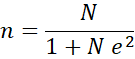
Where, n = Number of samples,
N = Total population
e = Marginal error
From the complete household list obtained from the ward office, 70 households were randomly selected using a lottery method to ensure equal representation.When the chosen households were unavailable, extra households were randomly picked from the remaining list to achieve the desired sample size. Door-to-door visits were made to carry out in-person interviews with members of households who were present. Verbal consent was obtained from each participant, assuring that their responses would remain confidential and used exclusively for research purposes. No identifying information was included in reports or publications. The semi-structured questionnaires were used to obtain information about the socio-economic aspects of respondents, crop production, foraging by Asiatic black bear, livestock depredation and damage amount. Crop damage was quantified based on household survey responses, where respondents reported the amount of crops lost to Asiatic black bears relative to their total annual production. Structured questions focused on identifying perceived threats (forest fire, climate change, habitat loss and hunting/poaching) to Asiatic black bear and assessing people's attitude towards its conservation. In addition, respondents were invited to suggest potential strategies to mitigate conflicts. In-person interviews were conducted solely to administer the questionnaire.
The survey was carried out with the help of a field assistant and a staff member from local community. Their presence made it easier to build trust with respondents, resulting in more accurate and reliable information.
2.2.7 Secondary Data Collection
Secondary data were collected from the Annapurna Conservation Area Office in Jomsom, which provided information on human-Asiatic black bear interaction cases and compensation schemes. Additional data were obtained from published research articles, which supported the analysis.
2.3 Data Analysis
We conducted a regression analysis to describe the association between response variable (average crop loss in kg) and predictor variable (distance from forest in km). Non-parametric chi-square test was used to examine whether the people's perceptions on Asiatic black bear conservation were significantly influenced by different socio-economic characteristics (gender, ethnicity, religion and well-being) of the respondents. The average annual crop production and crop loss (in kg) was estimated, and one-way ANOVA test was used to estimate whether the average crop loss was significantly associated with socio-economic characteristics of the (gender, ethnicity, religion and well-being) of the respondents.
To identify the existing conservation threats to the Asiatic black bear, three major threat assessment methods were employed: literature review, informal discussions and field observations These methods identified four primary threats: habitat loss, forest fire, climate change, and hunting/poaching. To evaluate the perceived severity of these threats, a household survey was conducted, and Friedman's test was applied for analysis. The threats were ranked from lowest to highest; with a rank of 1 indicating very high severity and 4 indicating low severity.
- RESULTS
3.1 Perception of people towards Asiatic black bear conservation
Out of the 70 households surveyed, 31 (44.3%) believed that Asiatic black bears should be conserved due to their vulnerable status, ecological importance, and role in tourism (Table 1). Among these, 45.2% (n=14) considered the bears an important part of the ecosystem, 9.7% (n=3) highlighted their contribution to tourism, and 25.8% (n=8) emphasized their vulnerable status. Conversely, 39 households (55.7%) believed that Asiatic black bears should not be conserved, providing reasons such as crop damage, livestock predation, and occasional human casualties. Similarly, the Chi-square test (Table 2) suggests that perceptions of Asiatic black bear conservation were relatively uniform across diverse social groups. However, people having crop land near the forest have more negative attitude towards bear conservation while people having crop land far from the forest have positive attitude towards conservation of Asiatic black bear.
3.2 Crop production and loss
The primary crops cultivated in the study area comprised maize, barley, beans, potatoes, and buckwheat. Wildlife-induced crop damage was serious issue, in which (83%) of respondents reported highest crop damage by Asiatic black bear relative to other wildlife observed in the region. The total annual production of potato, maize, barley, beans and buckwheat was 116632, 43610, 17248, 2058 and 27223 kg respectively as reported by surveyed households. However, the damage by black bears was limited to maize and buckwheat only. The most damaged crop was maize with 8046 kg (18% damage of total production) followed by buckwheat with 2880 kg (1.05% of total damage) (Figure 2). Respondents suggested various strategies to mitigate bear-related damage and support coexistence, including in-situ conservation, installing high electric fencing, using advanced technology, prohibiting the collection of fresh bamboo shoots, and promoting alternative crops to maize and buckwheat. They also emphasized the need for effective awareness campaigns on human-bear coexistence and enhancing monitoring as well as control of forest fires can reduce the interactions.
3.3 Pattern of crop foraging
3.3.1 Spatial pattern
The average crop loss per household was highest (172 ± 49 kg) for households with farmland located within 100 meters of Pinus-dominated forests. Similarly, the households far from (200-500 m) forest reported lower losses, averaging (90 ± 14) kg annually.
Linear regression analysis indicated a weak negative association between total crop damage and the distance of cropland from the forest (β = −0.22), suggesting that croplands closer to the forest tended to experience slightly higher damage. However, this relationship was not statistically significant (p = 0.13) and explained only a small proportion of the variance in crop damage (R² = 0.034) (Figure 3).
3.3.2 Temporal pattern (seasonal and daily variation of the crop damage)
The majority of respondents (above 80%) suggested that crop raids by Asiatic black bears primarily occurred during the autumn season (September to November), with spring (March to May) seeing the least activity. Respondents reported that most crop damage incidents occurred during the night (9 pm-12 am) (Figure 4).
3.4 Conservation threats to Asiatic black bear
Using the Friedman test, a statistically significant difference (𝜒2= 54.88 with p<0.05) was found among four perceived threat categories. The mean rank for the climate change was found to be 3.45 followed by habitat loss (2.36), hunting (2.26) and forest fire (1.93). This result suggests that the forest fire is perceived as the most significant threat to the Asiatic black bear in the area, while climate change is regarded as the least pressing threat. Forest fire was mostly perceived as a medium threat (45.7%), with a considerable proportion rating it as high or very high, indicating it is recognized as an immediate and tangible risk. Hunting or poaching was viewed as a major concern, with more than one third of respondents rating it as high. Habitat loss was considered particularly serious, as 41.4% rated it a very high threat and another 30% rated it high, reflecting strong awareness of its long-term impacts on species. In contrast, climate change was largely perceived as a low threat by most respondents, suggesting it is seen as less immediate compared to other threats (Table 3).
- DISCUSSION
4.1 People's Perception towards conservation of Asiatic black bear
Our study found that the Asiatic black bear was reported as the most damaging wildlife species to crops, especially within 0–0.1 km of the forest edge. Similarly, the uniformity in perceptions across demographic variables may be because they face similar levels of exposure to wildlife, rely equally on forest resources, and may hold common cultural beliefs. Despite some community support for black bear conservation, a majority of households (55.7%) expressed opposition to Asiatic black bear conservation; this does not necessarily indicate outright resistance to conservation initiatives. Instead, it reflects the substantial costs that communities bear due to crop losses, livestock depredation, and perceived risks to human safety. Such concerns are particularly pronounced in Mustang, where livelihoods remain heavily dependent on subsistence agriculture and livestock rearing, leaving households with limited tolerance for wildlife-related damages. Addressing these social dimensions is therefore critical to foster coexistence and ensure that community-based conservation in Annapurna Conservation Area remains effective across different species, including the Asiatic black bear (Joshi and Dahal, 2019).
Similar perceptions have been documented in other areas as well. Rawal et al. (2024) reported negative attitudes in Jumla triggered by livestock attacks, crop raids, and human casualties. Also, local people have demanded immediate management of the bears, even resorting to killing them, if necessary. Negative attitudes toward bears are not unique to Nepal. Research conducted by Ali et al. (2018) in Pakistan's Kaghan Valley revealed that 63.3% of participants held a negative view of Asiatic black bears, with 47.3% indicating a strong dislike. The main reasons mentioned were crop destruction, livestock attacks, and rare human fatalities, which correspond with the conflicts noted in our research area. A study in Sichuan, China reveal 50% of villagers expressed negative and 43% neutral attitudes toward Asiatic black bears, particularly in areas with prior bear encounters (Liu et al., 2011). Similarly, Wilbur et al. (2018) in North America found that residents' personal encounters with black bears, rather than demographic factors, primarily influenced reporting behavior, while attitudes regarding tolerance and satisfaction with management also affected responses. This corresponds with our results in Mustang, where consistency among demographic groups indicates that common exposure and experiences with bears also shape perceptions.
4.2 Crop damage pattern
We found that 18% of total maize production was damaged by Asiatic black bears, representing a serious threat to livelihoods and successful conservation efforts. Additional factors such as foraging behavior of bears, crop availability or ineffective mitigation practices may have also contributed to the severity of damage in our study. Similar to our study, previous research by Bista and Aryal (2013) indicates that Asiatic black bears frequently raid crops during nighttime in agricultural fields, targeting corn and rice fields during July-August in the southeastern region of the Annapurna Conservation Area (ACA), Nepal. Maize is a staple subsistence crop in Mustang, and such a high proportion of loss threatens food security and reduces household tolerance for wildlife. Previous studies have shown that high crop depredation often undermines support for large carnivore or omnivore conservation (Acharya et al., 2016). Similar to our study, Ali et al. (2022) also found that most respondents faced crop damage due to Asiatic black bears, with maize being the most damaged crop, followed by potatoes, tomatoes, and fruits such as Persian walnuts and paradise apples. Although other crops such as potato and barley were extensively cultivated in the study area, they were perceived as less susceptible to foraging by Asiatic black bears. This observation does not imply that bears do not consume these crops; it may reflect crop-specific vulnerability, rather than crop availability alone. Also, most crops foraging by Asiatic black bear incidents were found to occur at night. A similar pattern was observed by Charoo et al. (2009), who indicated maize as one of the frequently foraged crops by bear besides apple, pear, walnut and cherry in Kashmir, India. Letro et al. (2020) illustrated the relationship between the crop damage by Asiatic black bear and the distance of households from the forest, finding that the damage was higher in households near the forest and considerably lower in those farther away as bears tend to minimize travel costs while accessing crops. Moreover, maize became the primary crop targeted by black bears, aligning with the findings of Waseem et al. (2020) and Abbas et al. (2015) in Pakistan, Charoo et al. (2009) in India, Liu et al. (2011) in China, and Jamtsho and Wangchuk (2016) in Bhutan. The seasonal peak of raids during autumn (September–November) coincides with maize harvest, a high-calorie crop that is both palatable and energetically rewarding, explaining its preference over other crops in Mustang.
4.3 Conservation Threats
Our study found that people perceived forest fire as the most severe threat to the Asiatic black bear in the current scenario in Mustang, followed by hunting/poaching, habitat loss, and climate change as least severe threat. Existing scientific literature provides further insights. Lower Mustang is recognized for its vulnerability to forest fires, and the deterioration of habitats due to wildfires, infrastructure expansion, and grazing pressure (Baral et al., 2019). Adhikari et al. (2021) also emphasize that most local communities (85%) believe summer temperatures are rising, potentially influencing perceived fire hazards. Fort (2015) observes that the northern Himalayas' driest places like Mustang are at risk from rising temperatures, which could heighten fire vulnerability. These findings suggest that while local perceptions align with several scientific concerns, the increased focus on forest fires by communities might arise from its immediate and noticeable effects, in contrast to slower threats like poaching or habitat loss. Poaching was the major concern in Sathyakumar and Choudhary (2007) but not in our study area, highlighting context-specific differences in threat perception. According to Thakur et al. (2007) deforestation, loss of natural habitat and retaliatory killing by farmers are some of the primary threats for Asiatic black bears. Additionally, recent decrease in forest area has increased the likelihood of human-bear conflict (Baral et al., 2021) like the concern raised by some local people in our area. Similarly, the habitats of Asiatic black bear were affected by various human activities including poaching, forest product harvesting, and grazing in the southeastern region of the Annapurna Conservation Area (Bista and Aryal, 2013). Climate change poses a major threat to vulnerable species like the Asiatic black bear, affecting behaviors such as hibernation, reproduction, and species interactions in the Hindu Kush Himalayan region (Zahoor et al., 2021).
- LIMITATIONS
It is recognized that the information regarding crop losses was provided by respondents themselves and might be influenced by recall bias or overstatement. Although all attempts were made to validate responses during focus group discussions and interviews with key informants, future research could improve reliability by including physical verification or methods for participatory damage monitoring. The present study utilized univariate methods suitable for the existing data and research goals; nonetheless, future studies could gain from multivariate modeling frameworks that include area under cultivation as an offset to enhance crop loss estimations further. Also, this study is primarily based on self-reported perceptions of local communities, they represent the most straightforward method to capture human attitudes and experiences. However, additional studies integrating social and ecological data are required to enhance conflict-mitigation approaches.
6. IMPLICATIONS FOR CONSERVATION
The long-term preservation of Himalayan biodiversity depends on safeguarding vulnerable species such as the Asiatic black bear, listed in CITES Appendix I (DNPWC, 2017). Though it plays a critical ecological role, insufficient research and increasing human-bear interactions in Nepal highlight the pressing need for intervention. Our research in a small segment of the Annapurna Conservation Area shows that forest fires, habitat loss, poaching, and climate change push bears into human communities, increasing interactions. Notably, negative views about bear conservation were recorded in a protected area known worldwide for its effectiveness in community-oriented conservation. This indicates that, despite the successes of community-oriented methods, ongoing crop damage, livestock predation, and safety issues for people can erode tolerance and may translate into negative behaviors like opposition to conservation or even retaliatory killing. Negative views can be alleviated through awareness initiatives and broadening studies on habitat choices, highlighting the bears’ ecological role and rapid-response teams addressing interactions (Pooley et al., 2017). Equitable compensation programs for losses and efforts promoting cultural pride in conservation can change perspectives. Incorporating local viewpoints into conservation strategies ensures lasting coexistence (Carter and Linnell, 2023). Incorporating locally suggested strategies such as promoting alternative crops, electric fencing, using advanced technology such as motion-sensor alarms, solar lights, predator deterrent devices and implementing effective education campaigns can enhance the success of future human–bear coexistence efforts in Mustang and similar landscapes. By tackling risks, enhancing research, and promoting community collaboration, the preservation of the Asiatic black bear can be ensured, safeguarding biodiversity and human livelihoods in the Annapurna Conservation Area and beyond.
References
Abbas, F. I., Bhatti, Z. I., Haider, J., & Mian, A. (2015). Bears in Pakistan: distribution, population biology and human conflicts. Journal of Bioresource Management, 2(2), 1.
Acharya, K. P., Paudel, P. K., Neupane, P. R., & Köhl, M. (2016). Human-wildlife conflicts in Nepal: patterns of human fatalities and injuries caused by large mammals. PLoS one, 11(9), e0161717.
Adhikari, D., Prasai, R., Lamichhane, S., Gautam, D., Sharma, S., & Acharya, S. (2021). Climate change impacts and adaptation strategies in Trans-Himalaya region of Nepal. Journal of Forest and Livelihood, 20(1), 16-30.
Ali, A., Uz Zaman, I., Omer, T., Ahmad, S., & López-Bao, J. V. (2022). Negative interactions between humans and Asiatic black bears (Ursus thibetanus) in northern Pakistan. Conservation Science and Practice, 4(11). https://doi.org/10.1111/csp2.12816
Ali, A., Waseem, M., Teng, M., Ali, S., Ishaq, M., Haseeb, A., Zhou, Z. (2018). Human–Asiatic black bear (Ursus thibetanus) interactions in the Kaghan Valley, Pakistan. Ethology Ecology & Evolution, 30(5), 399–415. https://doi.org/10.1080/03949370.2017.1423113
Ali, U., Ahmad, B., Minhas, R. A., Awan, M. S., Khan, L. A., Khan, M. B., Ahmed, D. (2024). Human-black bear conflict: crop raiding by Asiatic black bear (Ursus thibetanus) in Azad Jammu and Kashmir, Pakistan. Brazilian journal of biology, 84, e261446.
Baral, K., Sharma, H. P., Rimal, B., Thapa-Magar, K., Bhattarai, R., Kunwar, R. M., ... & Ji, W. (2021). Characterization and management of human-wildlife conflicts in mid-hills outside protected areas of Gandaki province, Nepal. PloS one, 16(11), e0260307.
Baral R., Subedi A. & Yadav S.K. (Compilers), 2019. Wild Mammals of the Annapurna Conservation Area. National Trust for Nature Conservation, Annapurna Conservation Area Project, Pokhara, Nepal.
Bista, R., & Aryal, A. (2013). "Status of the Asiatic black bear (Ursus thibetanus) in the southeastern region of the Annapurna Conservation Area, Nepal". Zoology and Ecology, 23(1), 83–87. https://doi.org/10.1080/21658005.2013.774813
Carter, N. H., & Linnell, J. D. (2023). Building a resilient coexistence with wildlife in a more crowded world. PNAS nexus, 2(3), pgad030.
Charoo, S.A., Sharma, L.K., Sathyakumar, S., 2009. Asiatic Black Bear - Human Conflicts around Dachigam National Park, Kashmir. Wildlife Institute of India, Dehradun, India
DNPWC (Department of National Park and Wildlife Conservation). (2017). Profiling Of Protected and Human Wildlife Conflicts Associated Wild Animals in Nepal. Kathmandu, Nepal, 2017.
Fort, M. (2015). Natural hazards versus climate change and their potential impacts in the dry, northern Himalayas: focus on the upper Kali Gandaki (Mustang District, Nepal). Environmental Earth Sciences, 73(2), 801-814.
Jamtsho, Y., & Wangchuk, S. (2016). Assessing patterns of human–Asiatic black bear interaction in and around Wangchuck Centennial National Park, Bhutan. Global ecology and conservation, 8, 183-189.
Ji, Y., Wei, X., Liu, F., Li, D., Li, J., Huang, X., ... & Tang, J. (2022). Assessing the spatial-temporal patterns of conflicts between humans and Asiatic black bears (Ursus thibetanus) around the Gaoligongshan Nature Reserve, China. Frontiers in Ecology and Evolution, 10, 1020703.
Jnawali, S. R., Baral,H. S., Lee S., Acharya,K. P., Upadhyay, G. P., Pandey, P., Shrestha, R. et al. (2011). "The Status of Nepal Mammals: The National Red List Series". Kathmandu, Nepal: Department of National Park and Wildlife Conservation
Joshi, S., & Dahal, R. (2019). Relationship between social carrying capacity and tourism carrying capacity: a case of Annapurna conservation area, Nepal. Journal of Tourism and Hospitality Education, 9, 9-29.
Kadariya, R., Shimozuru, M., Maldonado, J. E., Moustafa, M. A. M., Sashika, M., & Tsubota, T. (2018). "High genetic diversity and distinct ancient lineage of Asiatic black bears revealed by non-invasive surveys in the Annapurna Conservation Area, Nepal". PLoS ONE, 13(12). https://doi.org/10.1371/journal.pone.0207662
Letro, L., Wangchuk, S., & Dhendup, T. (2020). Distribution of asiatic black bear and its interaction with humans in jigme singye wangchuck national park, Bhutan. Nature Conservation Research, 5(1), 44–52. https://doi.org/10.24189/ncr.2020.004
Liu, F., McShea, W.J., Garshelis, D.L., Zhu, X., Wang, D., Shao, L. Human-Wildlife Conflicts Influence Attitudes but Not Necessarily Behaviors: Factors Driving the Poaching of Bears in China. Biol. Conserv. 2011, 144, 538–547
Long, S., & Li, S. (2025). The Status and Spatial Patterns of Poaching, Illegal Trade, and Human–Bear Conflict of Asiatic Black Bears in China, 2010–2020. Diversity, 17(2), 93.
Meier, W. J. H., Pohle, P., & Grießinger, J. (2022). Climate Change and New Markets: Multi-Factorial Drivers of Recent Land-Use Change in The Semi-Arid Trans-Himalaya, Nepal. Land, 11(9), 1567.
Mori, T., Sugiura, R., Kato, M., Miura, K., Ogawa, H., Umano, S., & Niizuma, Y. (2021). Relationship between diet and occurrence around human settlements in Asiatic black bears. Ursus, 2021(32e11), 1-10.
Mori, T., Sugiura, R., Kato, M., Kato, H., & Niizuma, Y. (2018). A seven-year longitudinal study on the food habits of the Asiatic black bear (Ursus thibetanus) in relation to mast production in Shirakawa Village, Gifu Prefecture, Japan. Mammal Study, 43(2), 81-90.
Nyhus, P. J. (2016). Human–wildlife conflict and coexistence. Annual review of environment and resources, 41(1), 143-171.
Panthi, S., Aryal, A., & Coogan, S. C. (2019). Diet and macronutrient niche of Asiatic black bear (Ursus thibetanus) in two regions of Nepal during summer and autumn. Ecology and Evolution, 9(7), 3717-3727.
Poudel, K. R., Paudel, N., & Oli, L. B. (2023). Forest Fire Zone Identification and Susceptibility Hazard Mapping of Gandaki Province, Nepal. Journal of Development and Administrative Studies, 31(1-2), 43-54.
Pooley, S., Barua, M., Beinart, W., Dickman, A., Holmes, G., Lorimer, J., ... & Milner‐Gulland, E. J. (2017). An interdisciplinary review of current and future approaches to improving human–predator relations. Conservation Biology, 31(3), 513-523.
Rawal, A. K., Timilsina, S., Gautam, S., Lamichhane, S., & Adhikari, H. (2024). Asiatic Black Bear–Human Conflict: A Case Study from Guthichaur Rural Municipality, Jumla, Nepal. Animals, 14(8), 1206.
Sathyakumar, S., & Choudhary, A. N. D. A. (2007). Distribution and status of the Asiatic black bear Ursus thibetanus in India. J. Bombay Nat. Hist. Soc, 104(3), 316-323.
Subedi, D. [World Report] Himalayan Black Bear (Ursus Thibetanus). 2018. Available online: https://tunza.eco-generation.org/worldReportView.jsp?viewID=44941. (Accessed on 5 March 2024).
Scotson, L., Vannachomchan, K., & Sharp, T. (2014). More valuable dead than deterred? Crop‐raiding bears in Lao PDR. Wildlife Society Bulletin, 38(4), 783-790.
Stubblefield, C. H., and Shrestha, M. (2007). “Status of Asiatic Black Bears in Protected Areas of Nepal and the Effects of Political Turmoil.” Ursus18: 101–108.
Takahata, C., Nielsen, S. E., Takii, A., & Izumiyama, S. (2014). Habitat selection of a large carnivore along human-wildlife boundaries in a highly modified landscape. PloS one, 9(1), e86181.
Thakur, J. S., Mohan, C., & Sharma, D. R. (2007). Himalayan black bear mauling: offense or defense?. American journal of otolaryngology, 28(4), 247-250.
Thapa-Parajuli, R., Nhemhafuki, S., Khadka, B., & Pradhananga, R. (2025). Environmental Dependence and Economic Vulnerability in Rural Nepal. Sustainability, 17(6), 2434.
Waseem, M., Mahmood, T., Hussain, A., Hamid, A., Akrim, F., Andleeb, S., & Fatima, H. (2020). Ecology and human conflict of asiatic black bear (Ursus thibetanus laniger) in Mansehra District, Pakistan. Pakistan Journal of Zoology, 52(4), 1443–1451. https://doi.org/10.17582/journal.pjz/20180209100205
Waqar, U., Mahmood, T., Mushtaq, M., Murtaza, G., Kashaf, M., & Sheraz, A. (2024). Historical and current distribution ranges of the Asiatic black bear (Ursus thibetanus). Scientific Reports, 14(1), 2505.
Wilbur, R. C., Lischka, S. A., Young, J. R., & Johnson, H. E. (2018). Experience, attitudes, and demographic factors influence the probability of reporting human–black bear interactions. Wildlife Society Bulletin, 42(1), 22-31.
Zahoor, B., Liu, X., Kumar, L., Dai, Y., Tripathy, B. R., & Songer, M. (2021). Projected shifts in the distribution range of Asiatic black bear (Ursus thibetanus) in the Hindu Kush Himalaya due to climate change. Ecological Informatics, 63, 101312. DOI: https://doi.org/10.1016/j.ecoinf.2021.101312