Uruguay hosted a milestone for sustainable rice in the LATAM region with Preferred by Nature
Within the framework of a project led by the Uruguayan Rice Growers Association (ACA), the first in-person training on the Sustainable Rice Platform (SRP) in Latin America was carried out by Preferred by Nature. It reached a significant number of actors across Uruguay’s value chain and aimed to build local capacity to implement a sustainable rice production system.
Rice is one of the most important foods in the world: it is the daily staple for more than 3.5 billion people and a source of livelihood for over one fifth of the world’s population. In addition, it is becoming an increasingly relevant input for animal feed. Looking ahead, the importance of the crop will continue to grow: to meet demand, production is expected to increase by 25% by 2050. This challenge takes place in a complex context, as rice production contributes to climate change –around 10% of global methane emissions come from continuously flooded rice paddies.
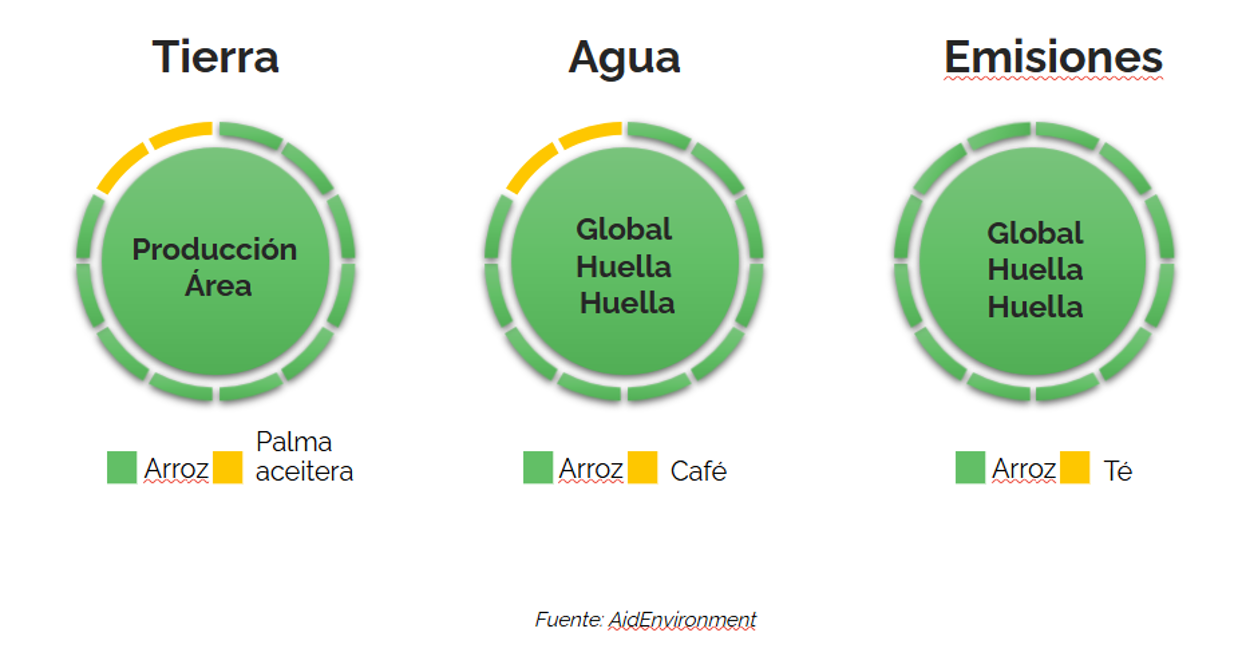
While at the same time the sector is one of the most vulnerable to intense climate change–related events such as droughts, floods, and high temperatures.
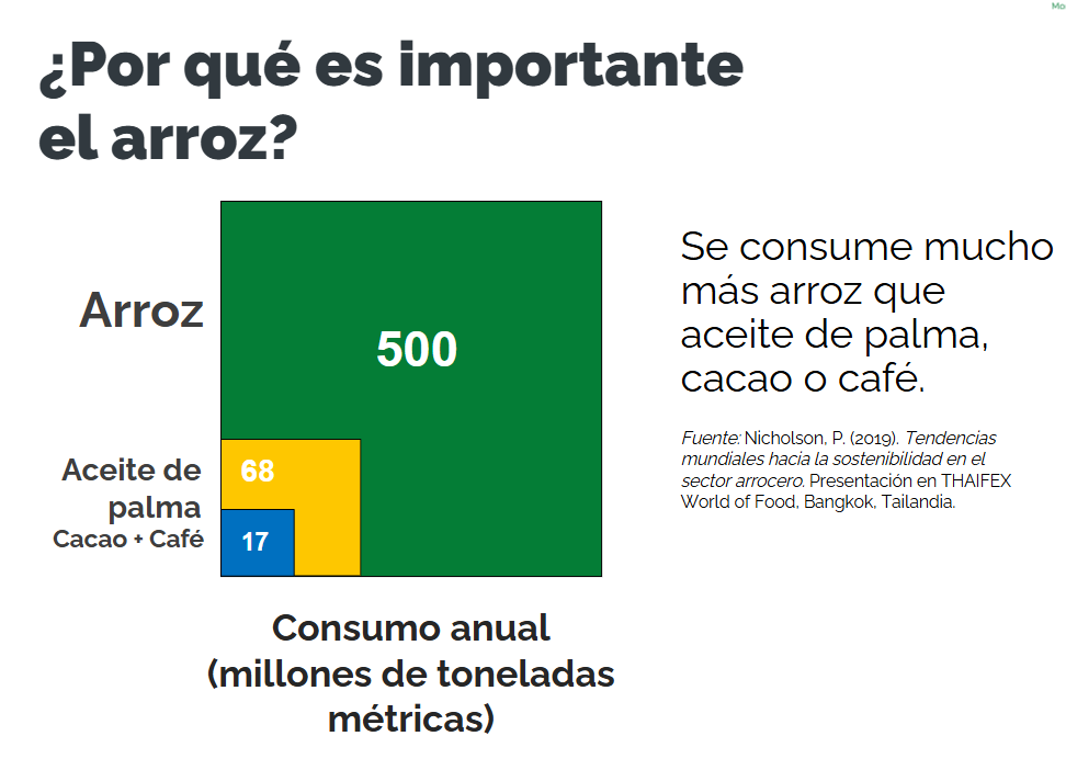
In the regional LATAM context, Uruguay stands out as a medium-scale rice producer in terms of volume and high performance in quality, with a stable cultivated area, a highly technified production system, and strong integration between producers and industry. This positions the country as a benchmark for productivity and quality and as a rice-exporting country.
Rice in Uruguay: A strategic sector for the economy and exports*
The rice sector is one of the pillars of Uruguay’s export-oriented agriculture, producing between 1.2 and 1.7 million tonnes of rice per year, with yields that in the most recent season reached an average of 9,300 kg per hectare. This has positioned the country, for several years now, among the most productive globally. This performance is the result of sustained growth dating back to the 1970s, based on the local development of improved varieties, advanced agronomic management, and highly efficient production systems, such as rice–pasture rotation.
Rice plays a strategic role in the country’s export basket, with more than 95% of production destined for export, reaching over 50 international markets, including the European Union, Brazil, Mexico, Peru, Central American countries, and some destinations in Africa.
Among the distinguishing attributes of Uruguayan rice are that 100% of the crop is sown directly and dry, under mechanized irrigation; all seed used is certified and non-GMO; and repeated monocropping is not practiced, but rather rotation with pastures and other agricultural crops. In addition, 95% of producers rotate rice production with livestock, improving soil fertility, supporting biodiversity, and positioning Uruguay as a model of sustainable rice production.
Capacity building and key sector actors
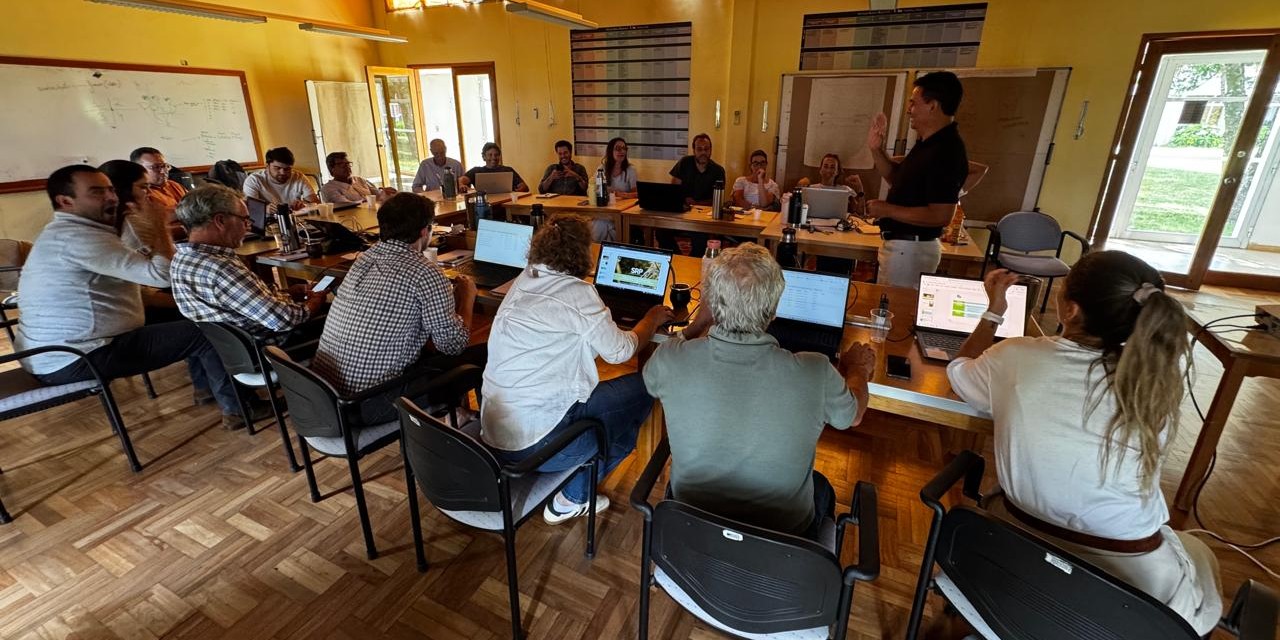
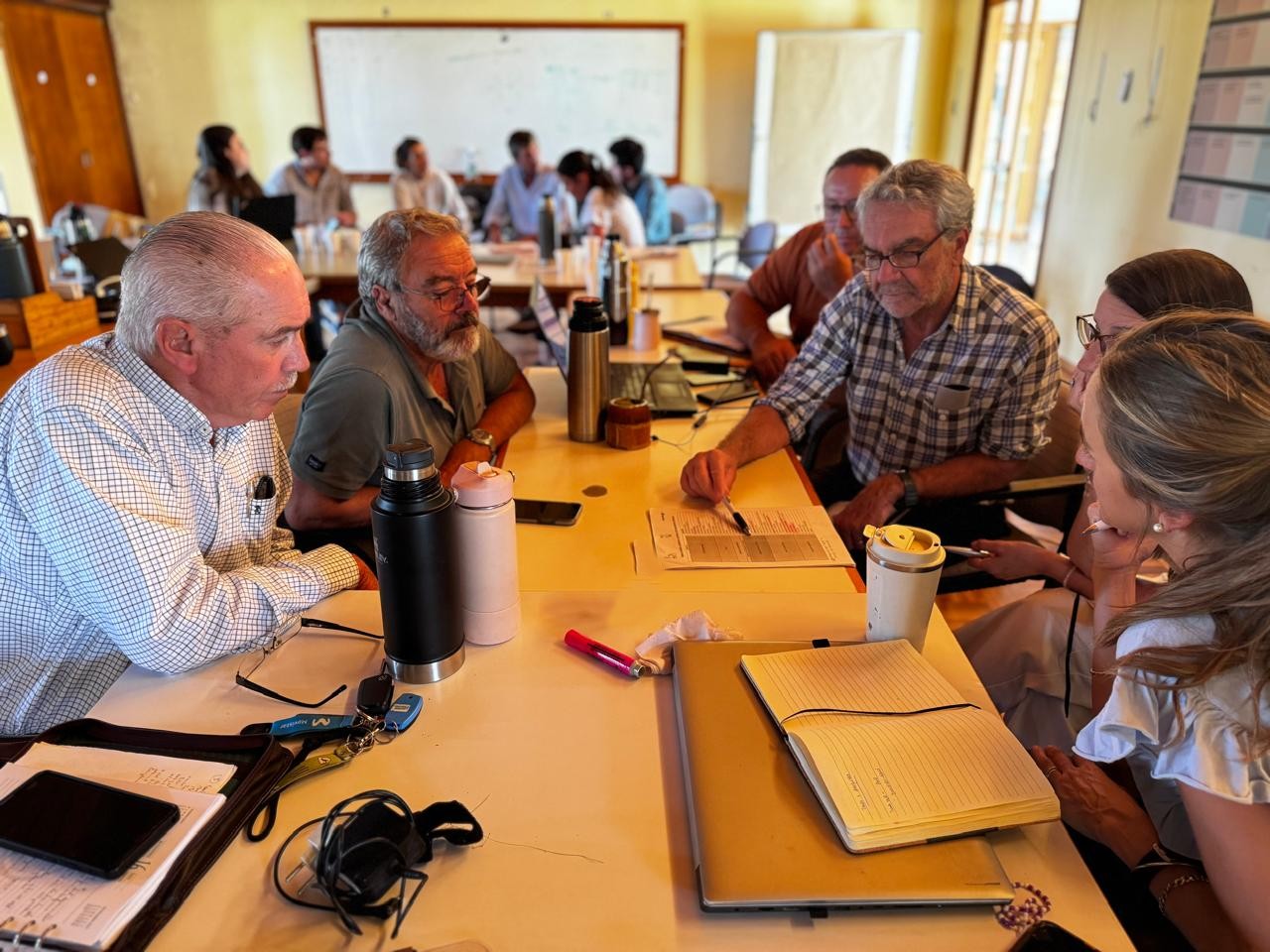
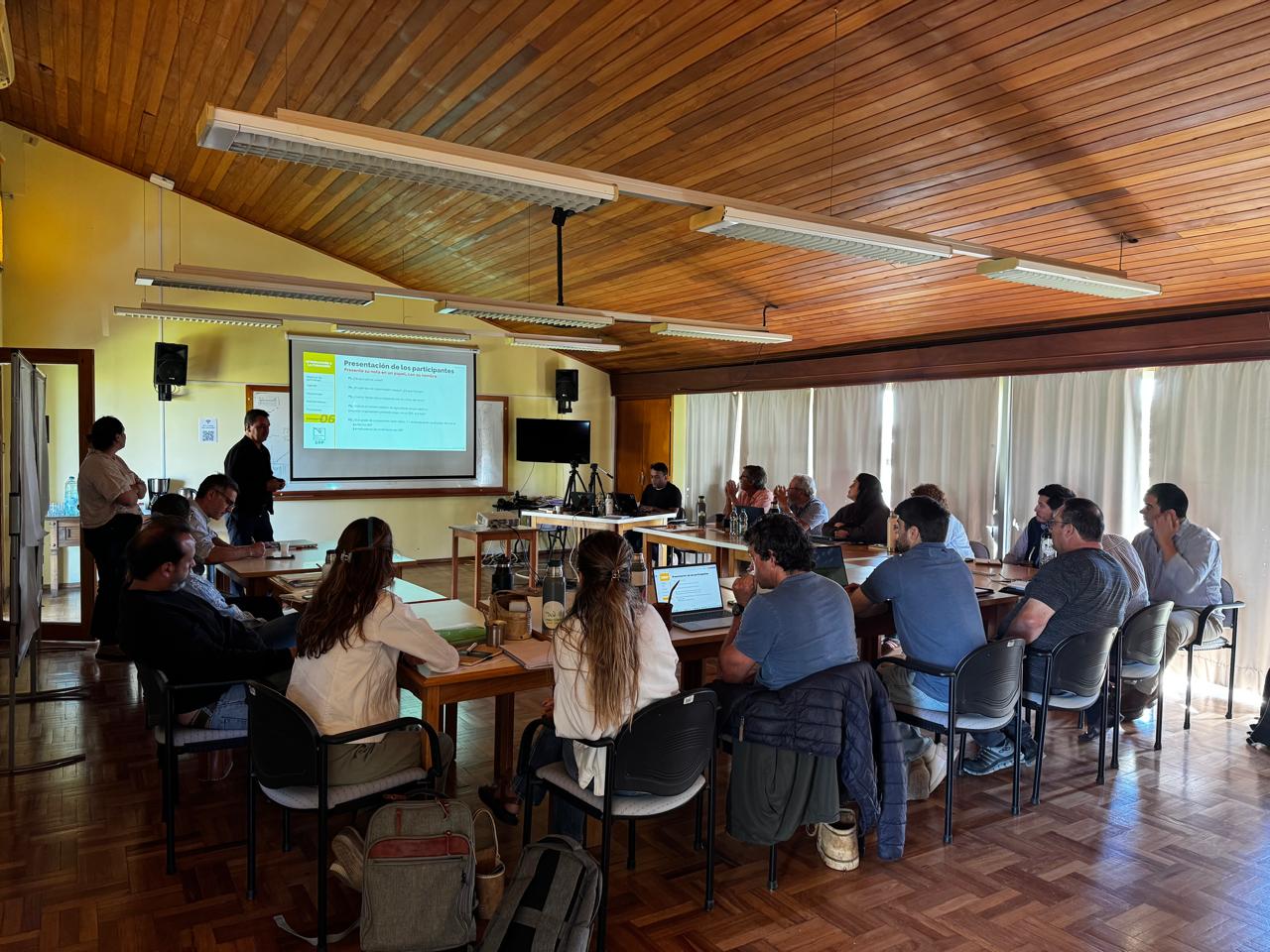
In line with these challenges and opportunities, Preferred by Nature (PBN) conducted the first five-day in-person training on the certification and assurance system of the Sustainable Rice Platform (SRP) in the city of Treinta y Tres, Uruguay. This was the first technical training of its kind carried out in Latin America, marking a milestone both for Uruguay and for the region.
The event took place within the framework of an SRP Certification Pilot Plan promoted by the Rice Growers Association (ACA), with the objective of having a technical team properly trained and endorsed by SRP -an essential condition to ensure rigorous, consistent implementation aligned with the country’s production reality.
“As an institution that represents and defends the interests of rice producers, this process had to involve the main value chain actors from the outset. For this reason, the training brought together production, industry, and research technicians, with the support and collaboration of key institutions, generating a collective training instance that strengthens the sector as a whole,” shared Cecilia Pattarino, General Manager of ACA.
Sustainability is a cross-cutting axis of ACA’s strategy and part of Uruguay’s own production model.
“The SRP standard naturally aligns with this approach, as it integrates environmental, social, and economic criteria, and allows us to organize, systematize, and demonstrate practices that many producers have already been applying for years,” Pattarino shared.
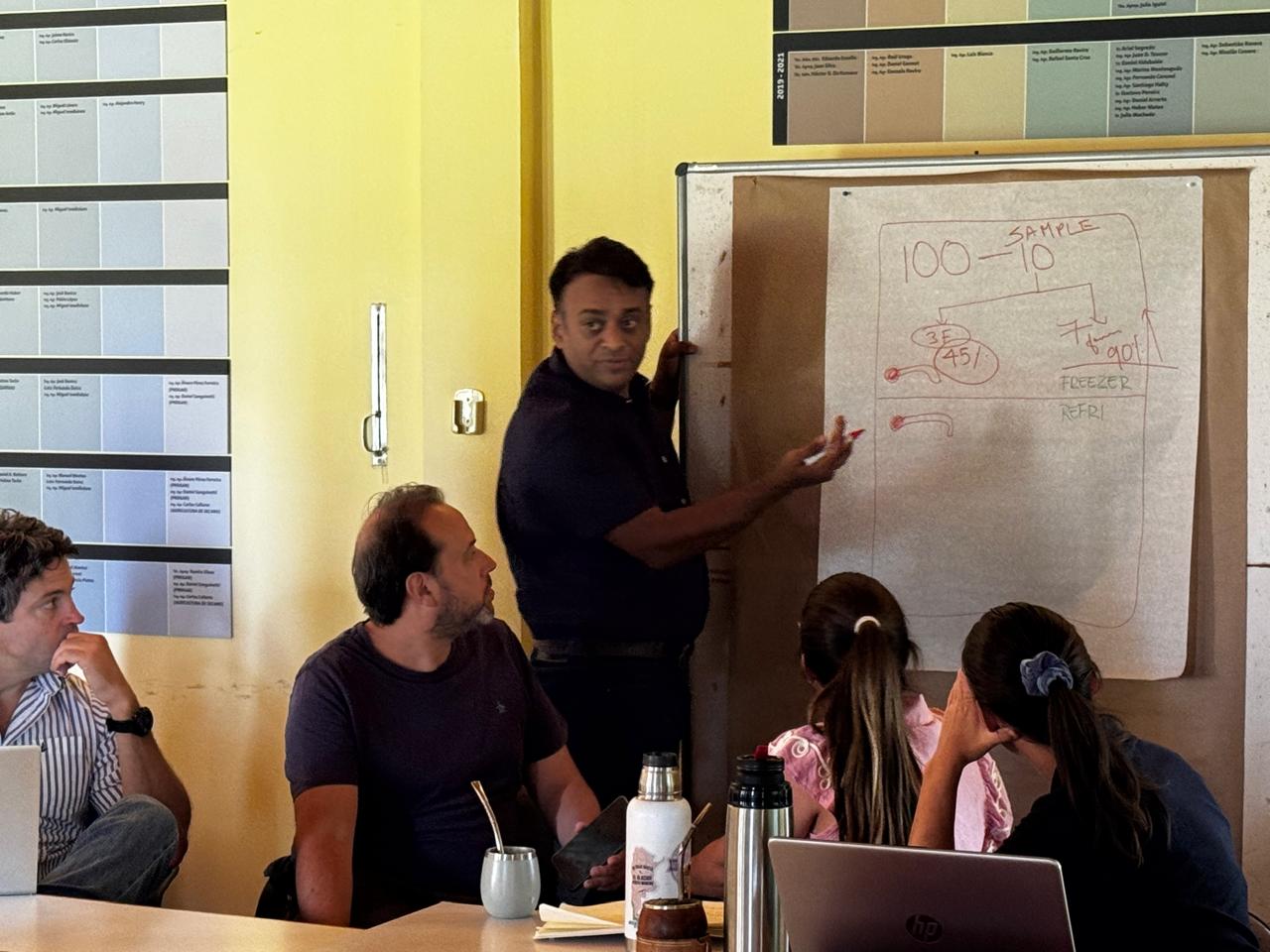
The training sessions were led by Aadarsh Mohandas, Regional Director for South Asia and Rice Commodity Lead at PBN, with technical support from Freddy Peña, Regional Director for Latin America.
“To accompany this process, ACA chose to work with PBN, a partner that combines technical expertise, deep knowledge of the SRP standard, and endorsement from the platform itself; this brings credibility and robustness to the path toward increasingly sustainable rice production,” Pattarino added.
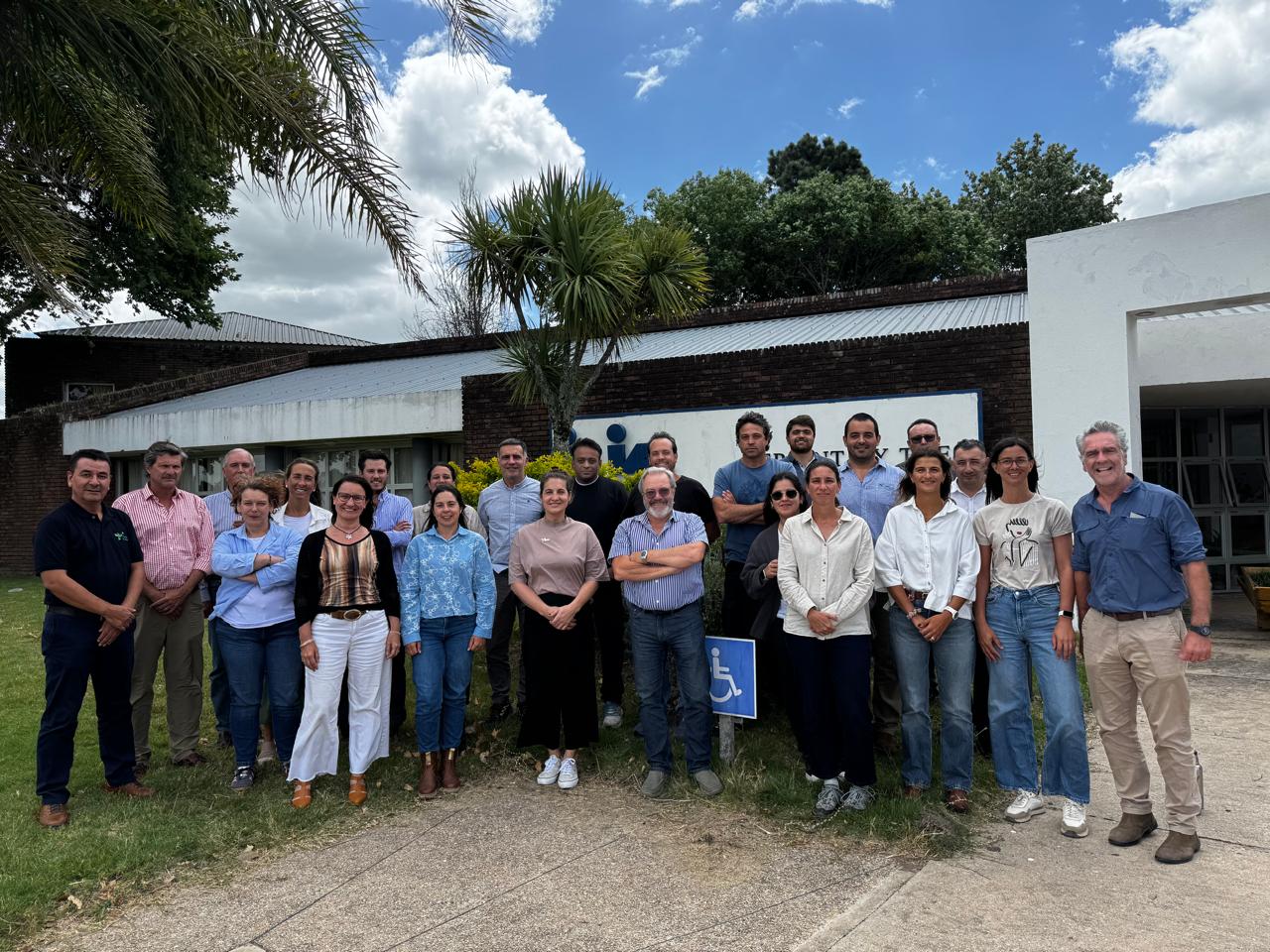
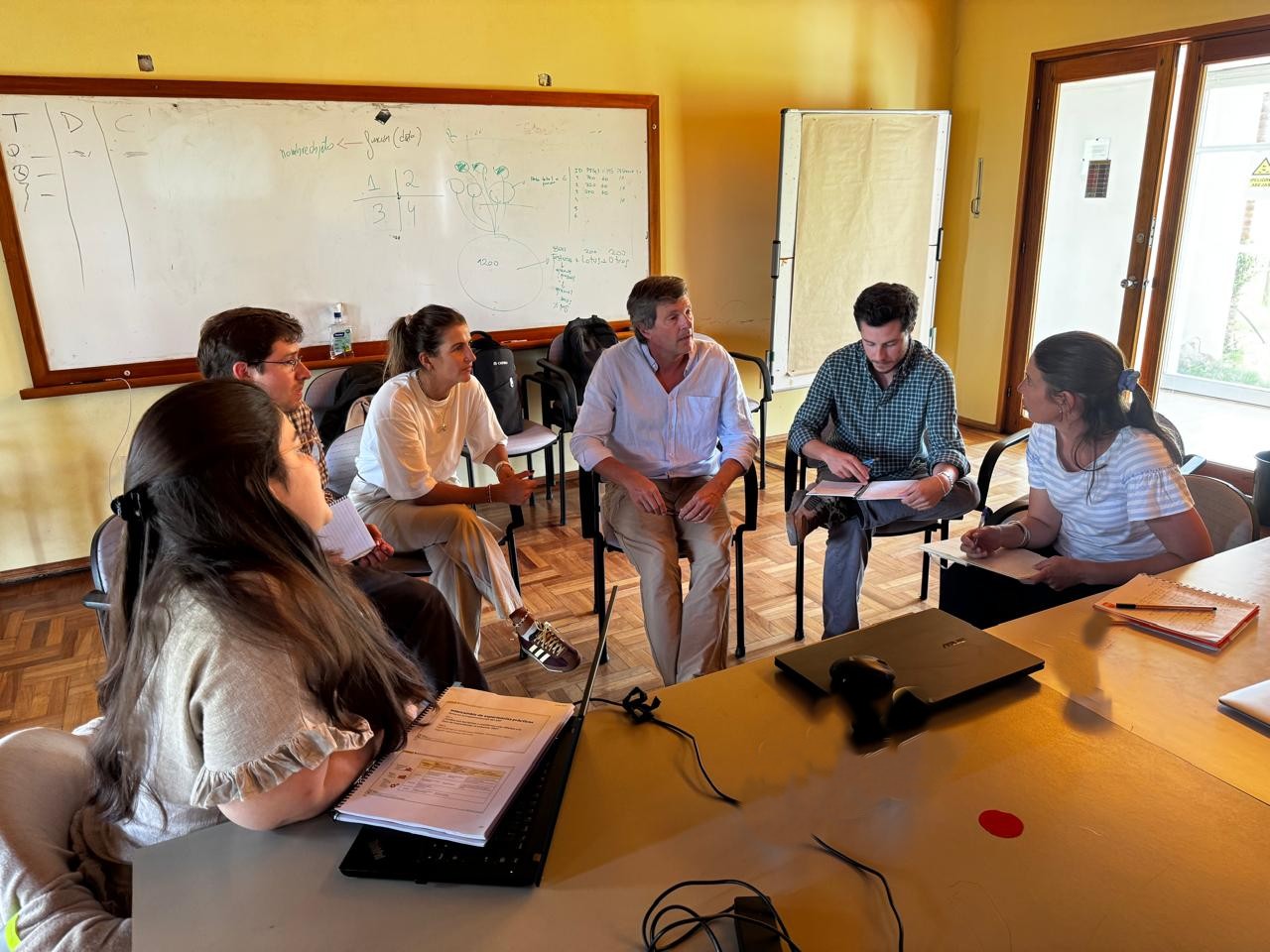
The National Institute of Agricultural Research (INIA), the country’s main public agricultural research body and a key actor in the technical and scientific articulation of the rice sector, hosted the event. Twenty technicians participated, representing different links in the rice value chain, including representatives from industries already certified or in the process of certification -such as COOPAR, Casarone, and SAMAN- as well as INIA’s and ACA’s own technical teams.
Pattarino commented that through this training they expect to advance toward greater technical understanding of the SRP standard, strengthening of the internal management system, improved measurement and recording of production practices, and real preparation of the sector for scalable certification. “The goal is not only to certify hectares, but to promote a structural and orderly change, capable of being sustained over time and progressively expanded across the sector,” she stated.
INIA: experimental area and applied research
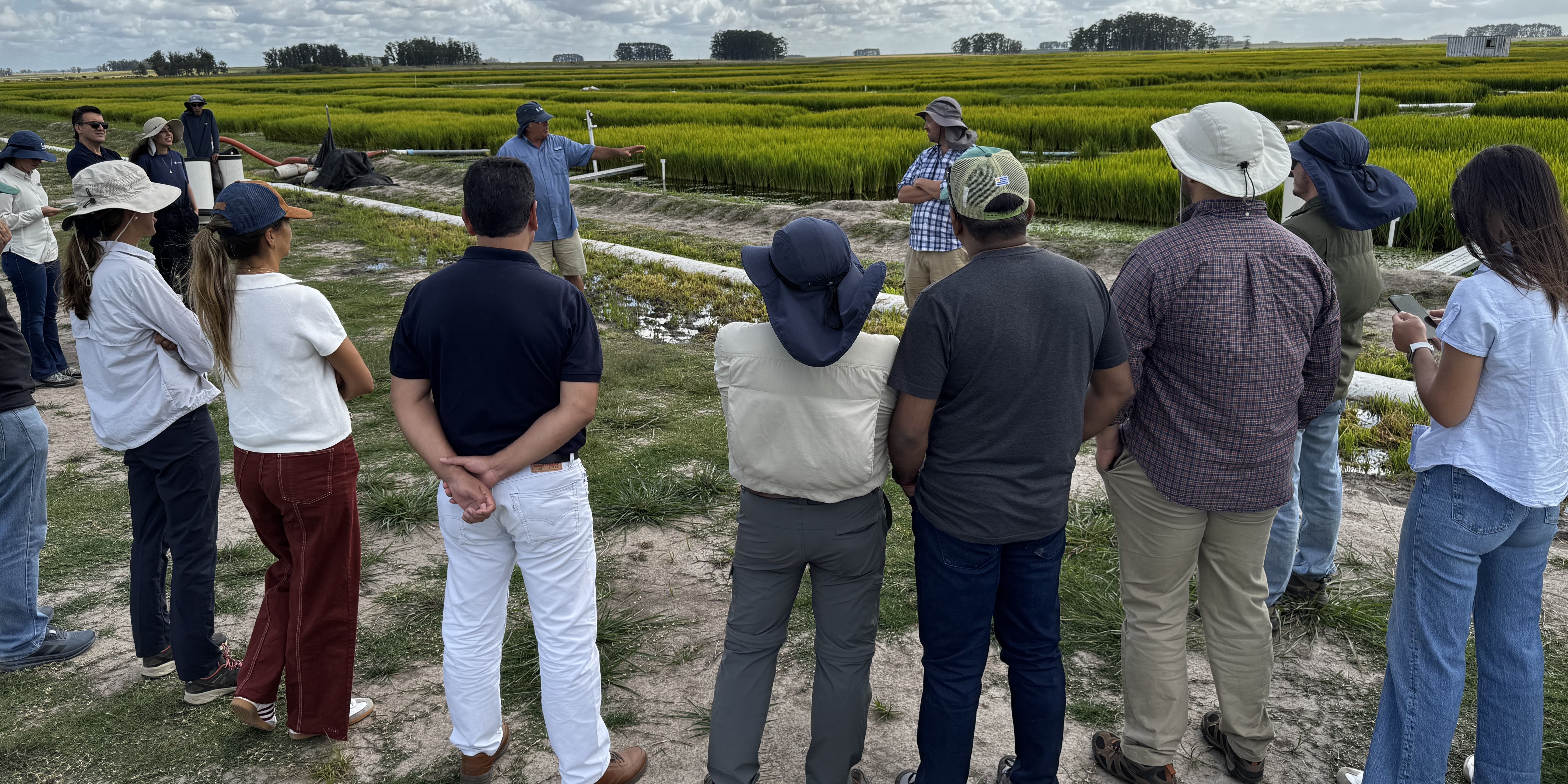
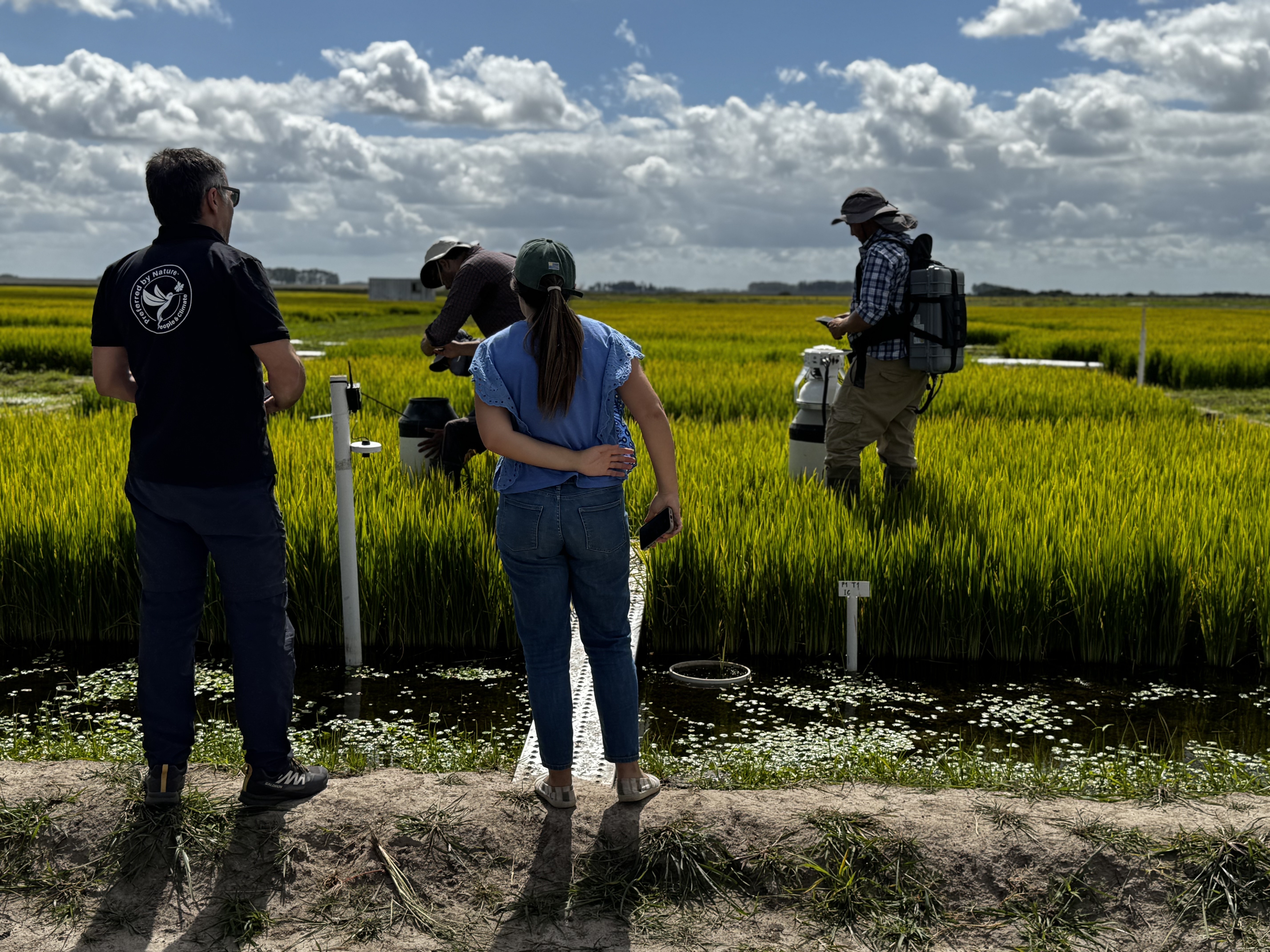
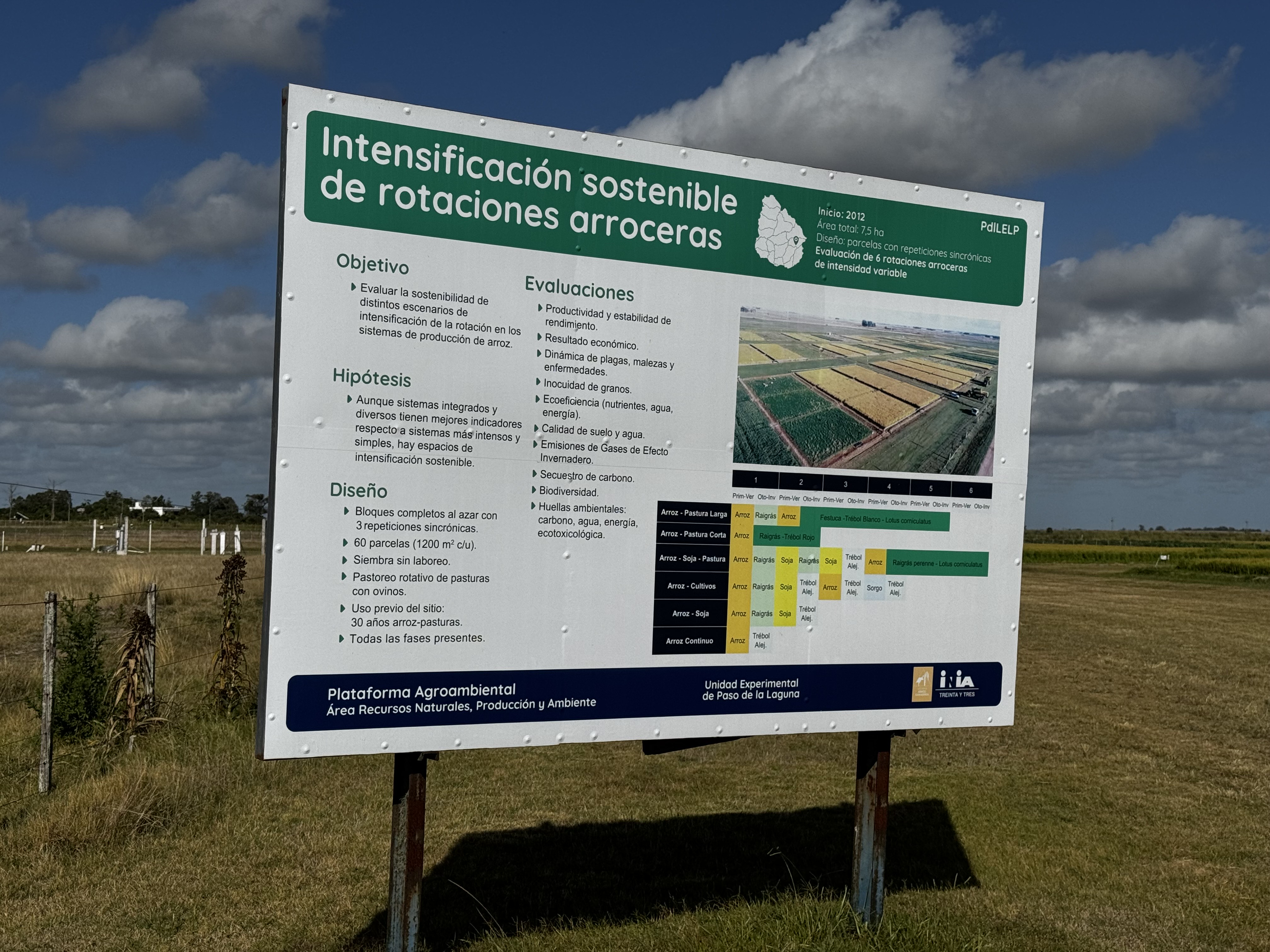
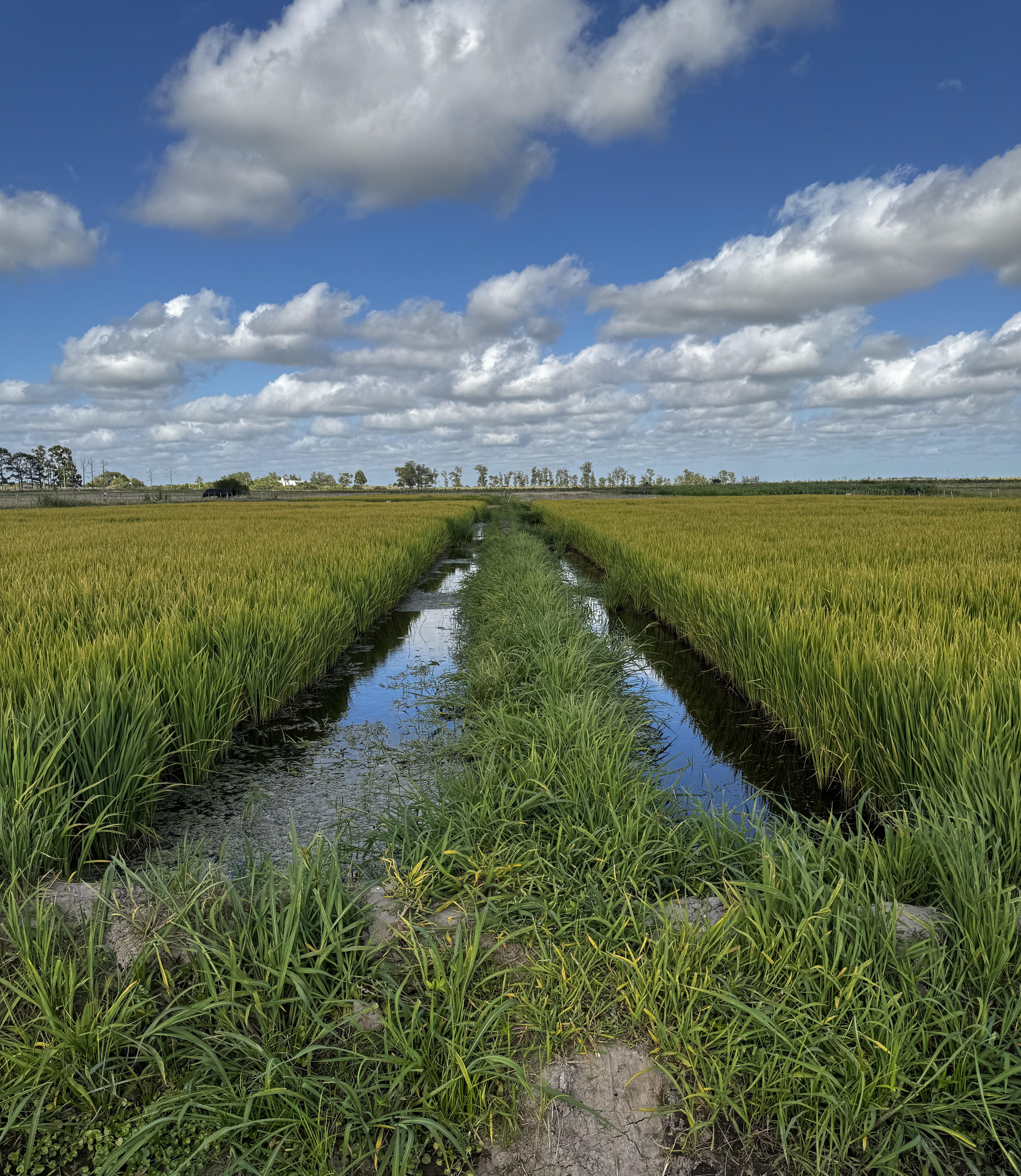
As part of the training, a field visit was conducted to the experimental and applied research area where INIA develops and validates, among other crops, rice varieties, production systems, water management, input-use efficiency, sustainable practices, and economic performance of trials. This work directly contributes to high yields, the quality of Uruguayan rice, and the sector’s and the country’s adaptation to climate change challenges.
“Here we apply technical knowledge and validate technologies, with the objective of moving from experimental scale to production scale,” shared agronomist (PhD) Álvaro Roel, researcher in INIA’s Rice Programme, who led the visit.
The work is carried out in coordination with INIA researchers, external advisors, local producers, ACA, and government bodies. “We experiment, measure, and evaluate rotational and integrated production practices that are delivering concrete results in cost reduction, improved weed and pest control, measurement of greenhouse gas emissions (methane), and, fundamentally, in strengthening the relationship between producers and industry,” the expert concluded.
A shared vision to scale sustainability in rice
“Knowledge about good production practices continues to evolve with new technologies; one of the greatest challenges is how to implement it in an articulated way, translate it into concrete actions, and scale it up. Multi-actor work is key. Supporting ACA, producers, industries, and research institutes in this process of evolution and consolidation of sustainability as a hallmark of the sector is very promising -not only for Uruguay, but also for the region. This case can become a true multiplier,” noted Ariel Zorrilla, Director of Commodity Strategy and Soy Commodity Lead at PBN.
This first SRP training in the region strengthens local capacities, opens concrete opportunities for the implementation of the SRP standard in Uruguayan fields and along the supply chain, and contributes to positioning the country as a regional reference in sustainable rice production, aligned with growing international market demands and global climate change challenges.
“Our priority as an association is to preserve and strengthen the competitiveness of the Uruguayan rice sector in an increasingly demanding international context. SRP certification represents a concrete opportunity for differentiation and value addition, especially regarding markets such as the European one,” Pattarino emphasized.
“At Preferred by Nature, we are very proud to be part of this opportunity and to work with such a professional, committed, and forward-looking sector as the Uruguayan rice sector,” Ariel added.
*Source: Rice Growers Association (ACA)
Rice, a priority crop for Preferred by Nature
PBN carries out actions in the rice sector in multiple countries -from Indonesia, Thailand, and India, through Spain and several European countries, to Argentina and Uruguay- working across the value chain to promote sustainable, resilient, and traceable production and commercialization practices.
PBN is the certification body that issued the first field-level certificate globally, in January 2023. Since then, it has been verifying rice fields and supply chains worldwide. The SRP standard contributes to improving the environmental, social, and economic performance of rice on a global scale and supports the sector in adapting to growing international market requirements and, fundamentally, to the challenges of climate change.
This approach is confirmed and reinforced through initiatives such as the Low Carbon Rice Project (LCRP), implemented in Indonesia and funded by the European Union’s SWITCH-Asia Programme. The project, implemented by PBN together with relevant local partners, enabled 2,600 producers to work with 13 mills and 68 small mills to transition from diesel to electricity over a three-year period, reducing costs and emissions. The LCRP culminated in the International Sustainable Rice Forum (ISRF), which in November 2025 brought together more than 300 sector actors in Jakarta, Indonesia, to present and review results, convene the rice value chain, exchange knowledge, connect global market actors, and adopt sustainable practices at scale.
Learn more about Preferred by Nature’s approach to sustainable rice:


For more information, please contact:
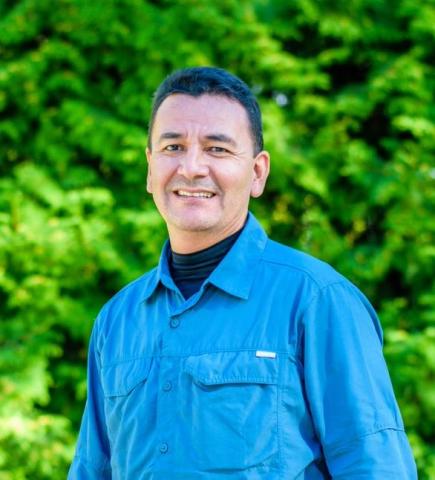
Freddy Peña

Ariel Zorrilla

Aadarsh Mohandas