Do you want to support our efforts to create a better world?
Small steps lead to a big change and all contributions are valuable.
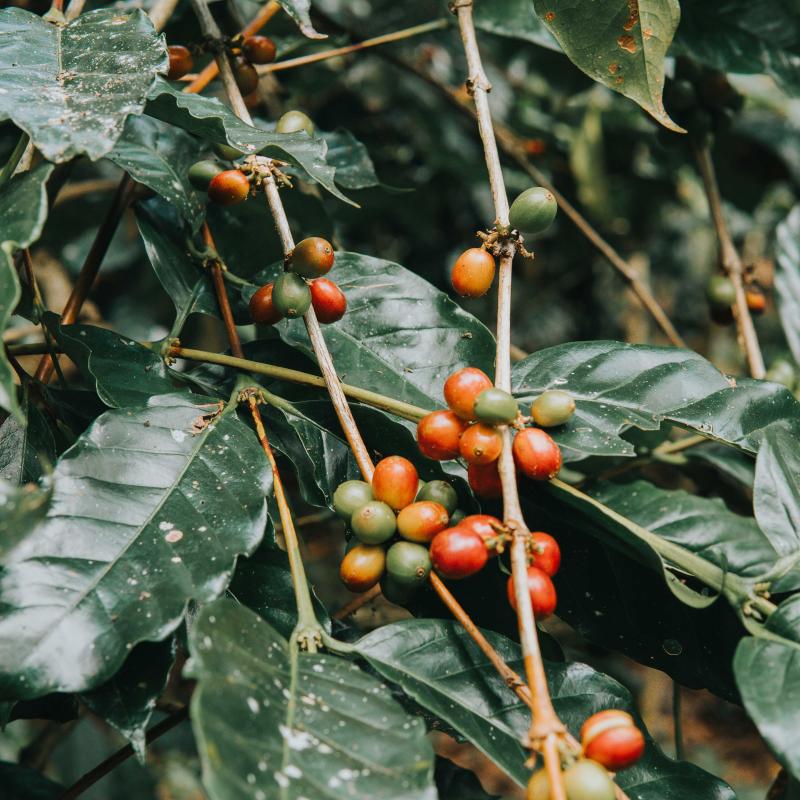
Coffee is significant due to its extensive cultivation impacting 25 million households, mostly in developing nations, and its status as a key product in global trade. Major challenges include ensuring economic sustainability, adapting to climate change, and balancing rising global demand with responsible, environmentally conscious production practices.
The coffee industry faces critical sustainability challenges, including social issues like labor rights, environmental threats from climate change and deforestation, and economic hurdles such as fluctuating prices and aging producers. Addressing these issues is vital for the long-term viability and ethical integrity of the global coffee market.
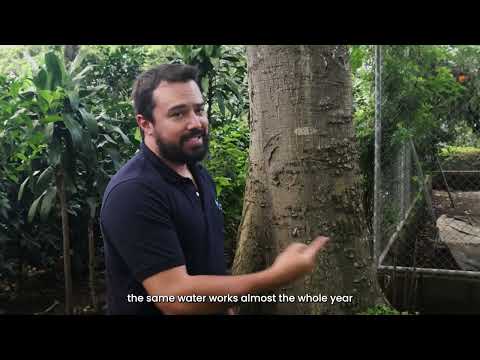
On a small family farm near San José, Sebastián Arrieta Bolaños, Coffee Commodity Lead for Preferred by Nature, has spent more than a decade turning depleted land into a thriving organic coffee ecosystem. His hands-on experiments in soil, shade and biodiversity now inform his global work with Preferred by Nature—offering a hopeful bluepri...
WeiterlesenCreating sustainable impact is at the heart of our mission.
farmers, workers and land managers are assured that their well-being, human rights and cultural heritage are protected.
hectares of land where nature and environment are protected from degradation and conversion through use of sustainability standards.
tonnes of CO2 emissions have been reduced, thus lowering the climate impact.

Our reach
companies and organisations we work with to ensure adherence to best practices in responsible land and business management, aligned with the standards we work with
Our goal to foster lasting, positive transformations in key agricultural and forestry products around the world is guided by seasoned professionals. These experts bring a wealth of practical knowledge from their extensive time in the field and their involvement with international supply networks. Hear their perspectives on the obstacles and opportunities for progress in their respective fields.
Agriculture Manager
sab@pbn.orgBiomass is essential for sustainable development, reducing carbon emissions, and providing renewable energy. Its growing utilisation highlights its importance in combating climate change and promoting sustainable practices across various industries.
Learn moreWhile vital for food security, cattle also contribute to deforestation and climate change. Focused efforts are needed to promote sustainable practices that enhance biodiversity, soil health and the well-being of people and animals.
Learn moreAddressing climate change is urgent for sustainable development. Reducing greenhouse gas emissions emissions through innovative strategies is essential to mitigate its impact.
Learn moreCocoa farming impacts the environment, economy and climate globally. Sustainable practices such as agroforestry can mitigate its negative effects, making cocoa relevant for climate change mitigation.
Learn moreBalancing economic sustainability with responsible production practices is crucial in the coffee industry. Adapting to climate change while meeting rising global demand is essential for sustainable coffee production.
Learn moreRevitalising ecosystems is crucial for our planet’s health and preservation. Combating deforestation and degradation with sustainable practices ensures long-term recovery.
Learn morePalm oil production supports economies but raises environmental and social concerns. Sustainable practices are crucial to address issues such as deforestation and labour rights.
Learn moreRice production significantly impacts climate and nature. Addressing emissions, water usage and deforestation in rice farming can lead to positive environmental changes.
Learn moreNatural rubber is essential for industries but contributes to deforestation and biodiversity loss. Addressing sustainability concerns such as poor working conditions is crucial in rubber production.
Learn moreSoy plays a vital role in global food security and biofuel production. Emphasising sustainable growth is essential to address environmental challenges in soy farming.
Learn moreTimber's global impacts on people, nature and climate require sustainable management. Forests are essential for biodiversity as well as soil and water conservation.
Learn moreThe travel industry's sustainability intersects with environmental conservation and cultural preservation. Responsible consumption and support for local communities are crucial for sustainable travel.
Learn moreOur mission extends beyond these focus areas to any crop or product with potential for sustainable impact. We support conservation and ecosystem restoration projects worldwide and help businesses adapt to changing regulations.
Learn more
Small steps lead to a big change and all contributions are valuable.