A quiet seed takes root in Xishuangbanna's rubber forests
What difference can a year make? Along the misty hills of Xishuangbanna, Yunnan, the seed of long-term sustainability is being cultivated that could reshape the future for local farmers, forests, and the rubber sector.
This area locates in southwestern China, one of the country’s major natural rubber production regions. As the world’s largest rubber producer and consumer, China faces the challenge of balancing between domestic supply, green transformation, and intelligent upgrading, to fulfill manufacturing and new energy vehicle demands. The strategic significance of this location is why Xishuangbanna was selected for this project.
After a year of groundwork,the first phase of this Global Platform for Sustainable Natural Rubber (GPSNR) Shared Investment Mechanism project, which is commissioned by Shandong Linglong Tyre Co., Ltd and implemented by Preferred by Nature, has come to a successful conclusion. The vision of sustainable forest management has turned into tangible outcomes: A new eco-friendly rubber collection station, FSC-certified rubber forests, and agroforestry training provided to farmers.
More than a collection point
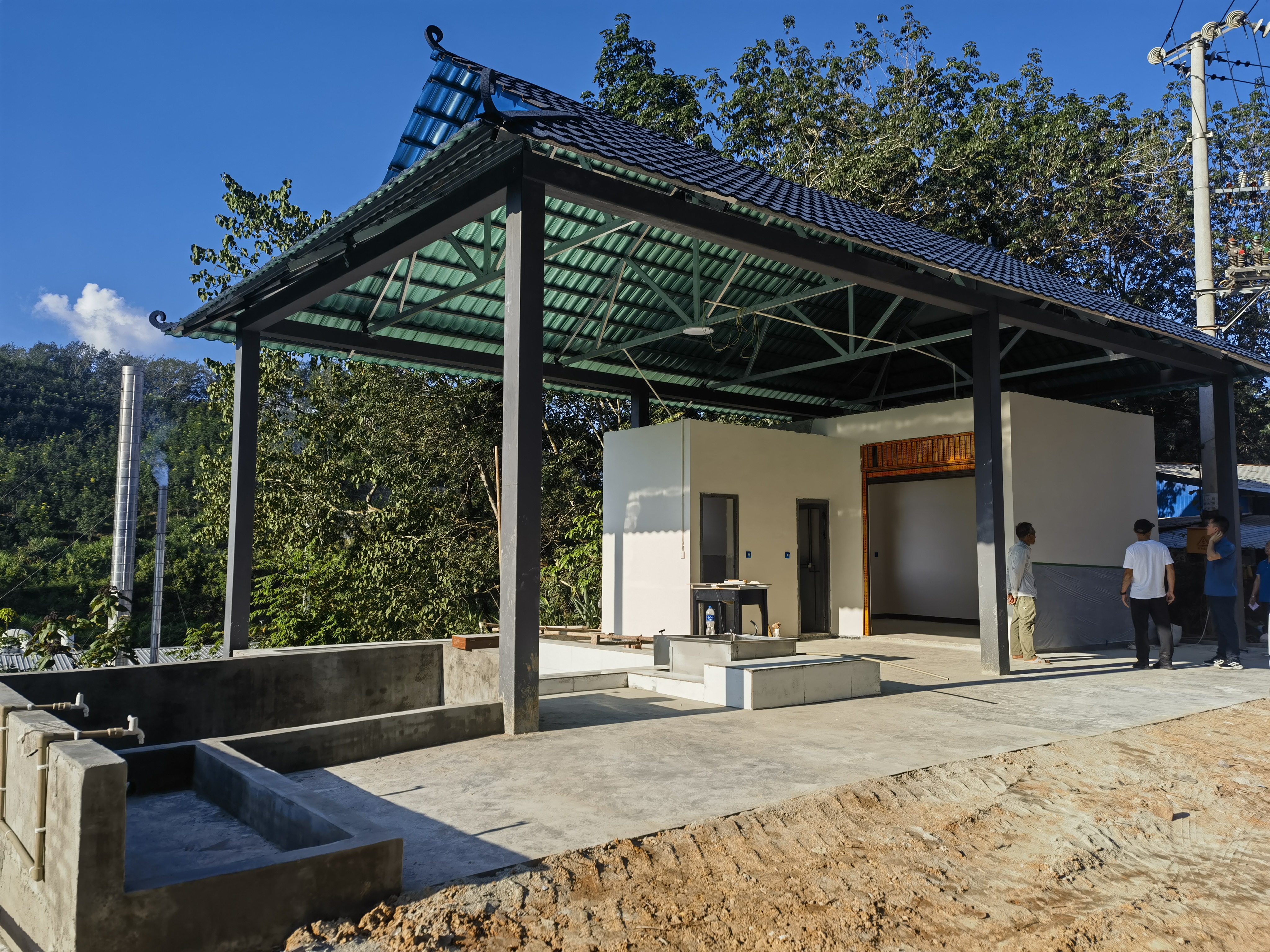
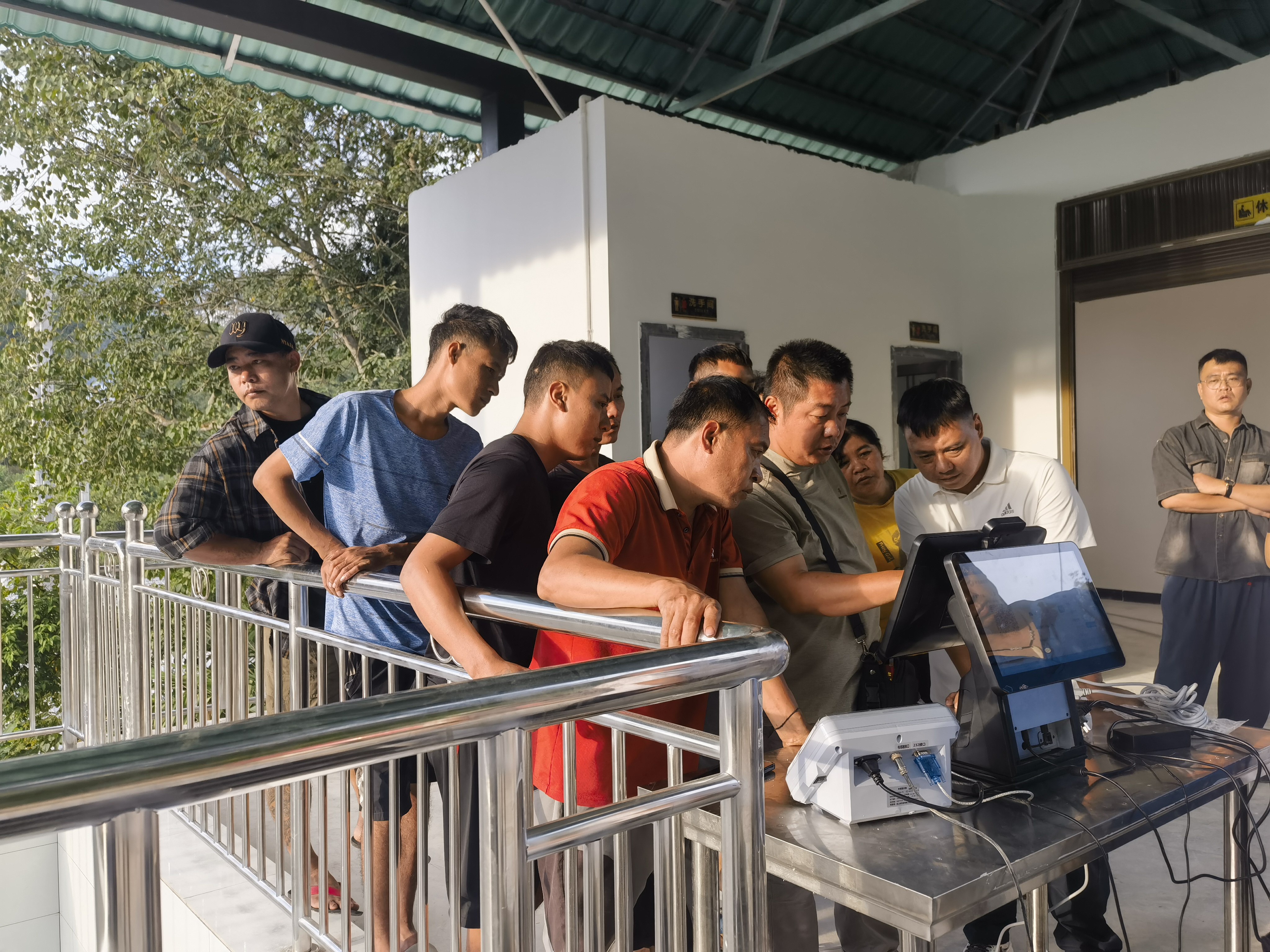
Smallholders form an important part of rubber production in Manzhong Village. Local farmers can be supported in enhancing local systems. One of the project outcomes is an eco-friendly collection station, which features rest areas, proper sanitation, pipes connecting to local wastewater processing tanks, and digital traceability systems. This provides a place to rest, to gather, to rebuild community around a shared livelihood. For female tappers, the new toilet at the station means safety and dignity during long night shifts.
The infrastructure is now managed by the local village group, with over 50 households benefiting from reduced transportation costs and improved hygiene. In addition, the integrated traceability system helps their raw materials to meet the strict requirements of regulations like the EU Deforestation Regulation (EUDR).
“These are the details that don't always make it into a project proposal, but they make all the difference to the people we serve."
Xinxin Zhang
Asia Pacific Regional Director at Preferred by Nature
“When we visited the sites, we saw dirty pools and chemical leakage. The absence of restroom facilities also meant female farmers either had to make a long trip back home or seek privacy outdoors, an option that left them feeling vulnerable. We can't restore forests while ignoring the dignity of farming communities. Healthy forests and healthy communities go hand in hand.” She added.
Sustainability unlocks new opportunities
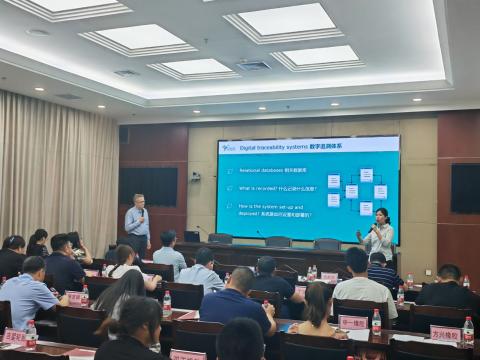
Working with local village groups, Preferred by Nature delivered systematic training to more than 300 farmers from three villages, including Mojiang, Xinping, and Niupeng. The curriculum followed Forest Stewardship Council (FSC) standards, covering soil and water protection, biodiversity conservation, and responsible pesticide use.
Over 1,500 hectares of community rubber forests have now secured FSC certification. This marks the beginning of a journey toward sustainable forest management, allowing them to put the training into practice, while getting potential access to premium markets for economic returns.
Reimagining the rubber landscape
A common practice of rubber farming is planting rubber trees and little else. This monoculture has long been a concern in Xishuangbanna about the potential cost of biodiversity and ecosystem resilience.
To address this, the project provided training on ecological restoration and agroforestry techniques to 20 lead farmers. They were guided by experts from the Xishuangbanna Tropical Botanical Garden of Chinese Academy of Sciences and a local cocoa company. By exploring models such as rubber-cocoa intercropping, farmers learned about the ecological benefits of agroforestry. With the potential for supplementary income, this model diversifies livelihoods while strengthening the land.
Walking forward
Following a field visit to the project sites, Stefano Savi, Chief Executive Officer of GPSNR, has spoken highly of the project’s impact. He noted: “I really believe this is a great example of how companies and supply chain should collaborate and operate to promote sustainability in the natural rubber sector.”
Linglong Tyre is heartened and proud of the initial success achieved in the Xishuangbanna project. The company comments: “This project not only represents the steadfast implementation of Linglong's commitment to sustainable development, but also reaffirms a belief that true sustainability stems from the symbiotic prosperity of laborers, communities, and nature. It also points to the future direction of the industry, which is transforming sustainability from a ‘requirement’ in the supply chain into a ‘self-driven force’ on the ground.”
Building on these outcomes, Linglong Tyre and Preferred by Nature are already planning the next phase of the project. For them, the most motivating moment is to see that change is happening quietly in the shade of rubber trees, in the daily conversations between farmers, and in the way that farmers learn to see their land differently.
The Preferred by Nature Mission-Driven Project Team acts as a strategic partner, mobilising supply chain actors within multi-stakeholder ecosystems to advance sustainable strategies and practices across value chains and landscapes.
This team was created to bring a more strategic approach to our project work, leveraging on structured approaches, focusing on priority landscapes, building long-term partnerships, and ensuring alignment with both our broader mission and stakeholder priorities.
Photo courtesy: Shuang Hu/Preferred by Nature