Strengthening the Competitiveness of the Colombian Agricultural Sector to Facilitate Agricultural Exports to the European Union – FIT for FAIR Colombia (Second Phase)
The coffee, cocoa and palm oil supply chains represent strategic sectors for Colombia’s economic, social, and environmental development. These products not only generate employment and boost rural economies but also play a key role in positioning the country in international markets —especially the European Union (EU), one of its main export destinations.
In recent years, the EU and Germany have significantly strengthened their regulatory frameworks to ensure that products entering their markets comply with standards related to deforestation, human rights, environmental sustainability, and traceability. Regulations such as the EU Deforestation Regulation (EUDR), the Corporate Sustainability Due Diligence Directive (CSDDD), and the German Supply Chain Due Diligence Act (LkSG) impose new obligations on supply chains and importing companies.
In this context, and in response to these new requirements, the FIT for FAIR Colombia project was developed. This joint initiative is implemented by the German Development Cooperation (GIZ), Confecámaras, and Preferred by Nature, and funded by the German Federal Ministry for Economic Cooperation and Development (BMZ). Its main objective is to reduce gaps related to international standards and facilitate Colombian agricultural exports to Europe, with a focus on strengthening strategic supply chains: coffee, cocoa and palm oil.
The first phase of the project (2024–2025) concluded with the identification of the main regulatory challenges for the Colombian agricultural sector, including the identification of 32 gaps related to human rights, deforestation and traceability. As a result of this assessment, a roadmap was designed for meeting the new international standards in the 2025–2030 period. Within this framework, the Colombian Due Diligence Model was developed and proposed—an integrated tool to prepare the country to address the challenges introduced by these regulations.
Building on this foundation, the second phase of the project (2025–2026) is oriented toward the implementation of dialogue and exchange spaces aimed at connecting Colombian exporters with European operators of coffee, cocoa and palm oil; identifying gaps and opportunities for collaboration; and supporting compliance with regulations such as the EUDR and CSDDD, as well as strengthening agricultural supply chains.
Through these dialogues, the project will develop practical tools to enable the implementation of due diligence systems, strengthen the capacities of producers and extension agents, and train chambers of commerce to comply with the new requirements and prepare for a shared understanding of European regulations.
The European Union Deforestation Regulation (EUDR) requires importing and exporting companies dealing with seven key commodities (wood, natural rubber, coffee, cocoa, palm oil, soy and cattle) to carry out Due Diligence to ensure their products are deforestation-free and comply with the laws of the country of origin.
Colombia, as a major producer of coffee, cocoa and palm oil in the region, is directly impacted.
- It is the fourth-largest coffee producer and the second-largest exporter of Arabica coffee in 2024, an activity on which more than 540,000 families depend.
- Colombian cocoa, cultivated by around 60,000 families, doubled its export revenues in 2024.
- Palm oil generated more than 200,000 jobs and accounts for 12.1% of the agricultural GDP; Colombia is the largest producer in the Americas.
The EU is a key market for these products, especially in countries such as Germany, Belgium and Italy, which highly value Colombian quality.
In the face of EUDR challenges, institutional and technical strengthening is essential to create the conditions for Colombia’s access to the European market and to position the country as a leader in sustainable and responsible agricultural production.
- Direct beneficiaries include Colombian producers and exporters,
- European operators; and public and private stakeholders involved in the country’s cocoa, coffee and palm oil supply chains.
General Objective
To strengthen the capacities of public and private actors involved in Colombia’s cocoa, coffee and palm oil supply chains, in order to support compliance with the requirements established under the EUDR, CSDDD and LkSG, and to facilitate the export of agricultural products that meet sustainability requirements to the European Union.
Specific Objectives
SO1: Implement exchange spaces between Colombian exporters and European operators:
Through in-person forums, (i) facilitate information exchange and harmonize the interpretation of regulations and directives, and (ii) clarify the roles and responsibilities of public and private actors for the effective implementation of due diligence regarding legality, human rights, environment and deforestation.
SO2: Develop tools for the implementation and assurance of Due Diligence Systems (DDS):
Develop and make available technical resources to guide and support actors in the production and export chains in adapting to and complying with the new European regulations, considering best practices for DDS implementation.
SO3: Strengthen local capacities:
Implement a training program focused on key actors involved in the production and export chains of coffee, cocoa and palm oil, to enhance understanding of the scope and implications of the new European regulations and directives on supply chains, and to promote consistent interpretation of due diligence requirements.
SO4: Identify and manage risks:
Through the collection, organization and systematization of existing information in Colombia, (i) identify, analyze and characterize risks related to legality, human rights, environment and deforestation present in the coffee, cocoa and palm oil supply chains, and (ii) develop a proposal of actions and/or measures for their management and/or mitigation within a due diligence system, considering the specific context and conditions of the country.
Related reference project:
National risk assessment and capacity building for the implementation of due diligence systems in cocoa supply chains (Ecuador): https://www.preferredbynature.org/projects/national-risk-assessment-and-strengthening-local-capacities-implementation-due-diligence


Project Details:
Title
FIT for FAIR Colombia (Phase II) – Strengthening the Competitiveness of the Colombian Agricultural Sector to Facilitate Agricultural Exports to the European Union
Freddy Peña
Together we are stronger
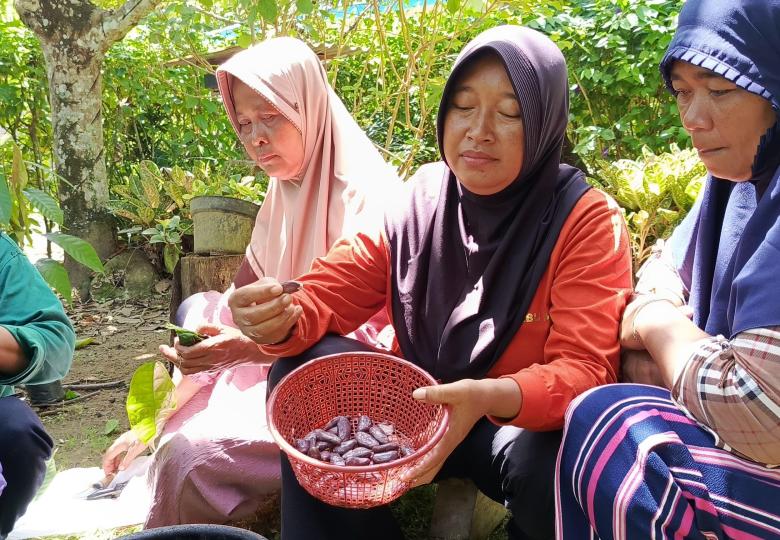
Introducing climate-smart cocoa farming among smallholders for ecosystem-based adaptation in La...
Preferred by Nature has partnered with Rikolto Indonesia to implement the project ”Introducing climate-smart cocoa farming among s...
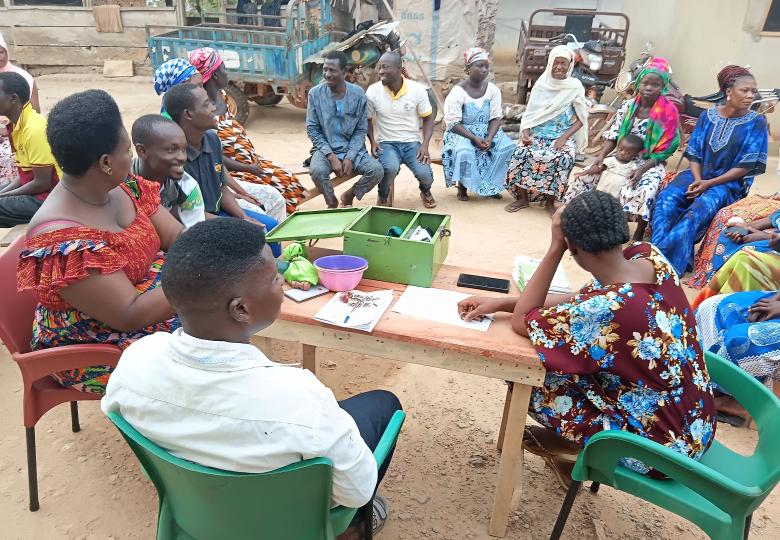
Raising the social and environmental bar for sustainable cocoa production in West Africa
West Africa produces around 70% of the world’s cocoa. Ghana, the second-largest producer, contributes 20–25% of global supply and ...
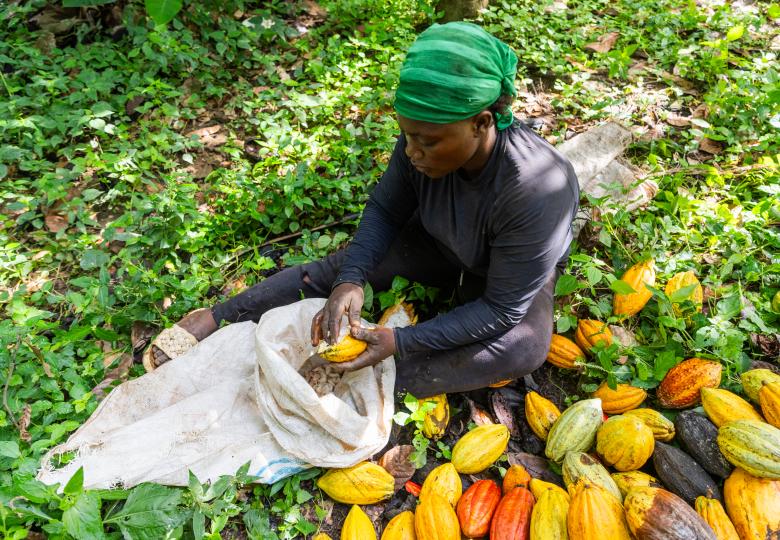
Turning the tide: Mobilising cocoa communities against galamsey destruction for long-term livel...
Cocoa is a cornerstone of Ghana’s economy. As the world’s second-largest producer, it is a major source of foreign exchange and su...
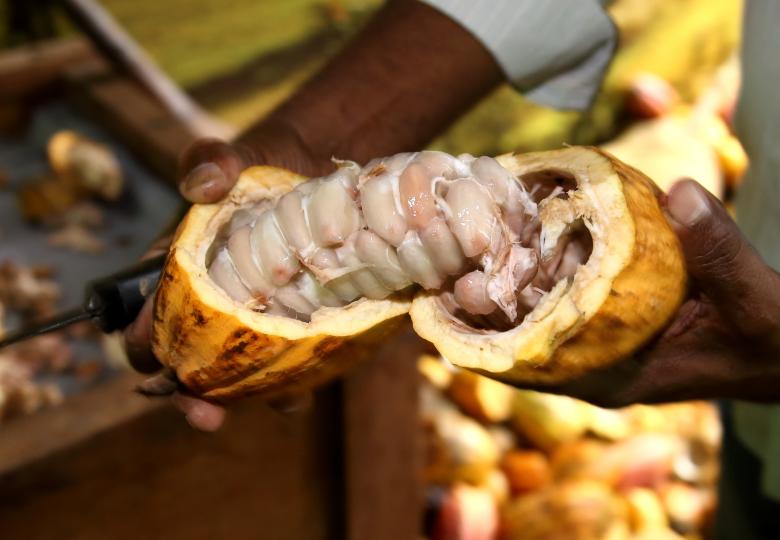
Community-based Adaptation to Climate Change and Advocacy in Wassa Amenfi West, Ghana
The "Community-based Adaptation to Climate Change and Advocacy in Wassa Amenfi West, Ghana" project focuses on strengthening resil...