Potwierdź odpowiedzialne praktyki. Wzmocnij zaufanie. Ogranicz ryzyko.
Certyfikacja w ramach Preferred by Nature Sustainability Framework pomaga organizacjom wykazać wiarygodne wyniki w zakresie zrównoważonego rozwoju w obszarach użytkowania gruntów, pozyskiwania surowców i łańcuchów dostaw. Elastyczne i oparte na analizie ryzyka podejście wspiera odpowiedzialne prowadzenie działalności, przygotowanie do wymogów regulacyjnych oraz przejrzystą komunikację.
Informacje o certyfikacji
Elastyczny system certyfikacji stworzony z myślą o rzeczywistych warunkach prowadzenia działalności
Certyfikacja w ramach Preferred by Nature Sustainability Framework wspiera organizacje zarządzające gruntami, zajmujące się obrotem materiałami lub wdrażające systemy pozyskiwania surowców i należytej staranności.
System oparty na Sustainability Framework oraz opcjonalnych modułach PBN+ pomaga organizacjom:
- Wzmacniać odpowiedzialne praktyki.
- Zarządzać ryzykiem związanym ze zrównoważonym rozwojem i pozyskiwaniem surowców.
- Wykazywać wiarygodne wyniki w zakresie zrównoważonego rozwoju.
- Z przekonaniem komunikować osiągnięcia w tym obszarze.
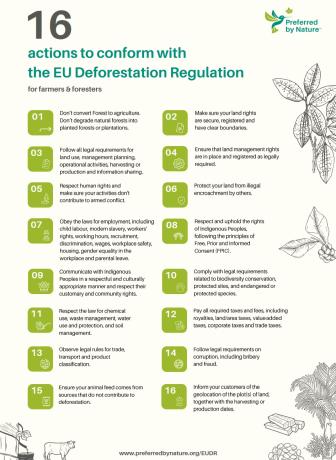
- Wspierać dostosowanie działalności do wymogów regulacyjnych, w tym do unijnego rozporządzenia w sprawie wylesiania EU Deforestation Regulation (EUDR).
- Wspierać wiarygodne raportowanie ESG i ujawnianie informacji dotyczących zrównoważonego rozwoju.
Opcje certyfikacji obejmują:
System jest oparty na wynikach, oparty na analizie ryzyka i elastyczny, dzięki czemu może być stosowany w odniesieniu do różnych towarów, sektorów, typów organizacji oraz poziomów złożoności.
Certyfikacja może obejmować:
• Zakres zrównoważonego rozwoju (Sustainability Scope) – wspierający szersze działania na rzecz zrównoważonego rozwoju oraz raportowanie ESG.
• Zakres regulacyjny (Regulatory Scope) – wspierający dostosowanie działalności do ram regulacyjnych, takich jak EUDR.
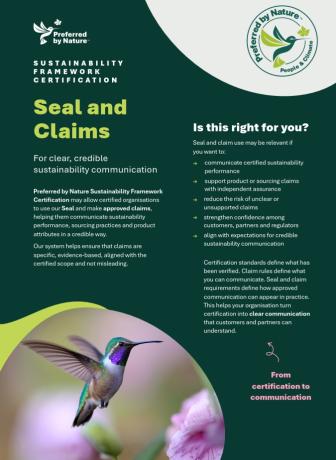
Jasne zasady dotyczące stosowania deklaracji i używania znaku wspierają przejrzystą i wiarygodną komunikację.
Deklaracje i użycie znaku
Komunikuj swoje osiągnięcia potwierdzone certyfikacją
W zależności od rodzaju i zakresu certyfikacji organizacje mogą być uprawnione do:
- komunikowania posiadania certyfikatu;
- stosowania zatwierdzonych deklaracji;
- stosowania znaku Preferred by Nature Seal (w przypadkach, w których jest to dozwolone).
Dotyczy to zarówno organizacji posiadających bezpośrednią certyfikację, jak i – w przypadkach, gdy zostało to zatwierdzone – kwalifikujących się materiałów objętych uznanymi systemami.
Program zawiera jasne zasady, które pomagają zapewnić, że deklaracje dotyczące certyfikacji są dokładne, przejrzyste i zgodne z zakresem udzielonej certyfikacji.
➡ Zapoznaj się z wytycznymi dotyczącymi stosowania znaku Preferred by Nature oraz deklaracji: Preferred by Nature Seal & Claim Panel Guidelines
Przejrzysta komunikacja
Certyfikacja w ramach Preferred by Nature Sustainability Framework obejmuje jasne wymagania dotyczące deklaracji związanych ze zrównoważonym rozwojem, stosowania znaku Seal oraz komunikacji publicznej. Wymagania te pomagają zapewnić, że deklaracje są konkretne, możliwe do zweryfikowania i poparte dowodami wynikającymi z certyfikacji.
➡ Dowiedz się, jak certyfikacja wspiera wiarygodną komunikację w zakresie zrównoważonego rozwoju.
Baza danych certyfikacji
Zweryfikuj organizacje posiadające certyfikat
Nasza Baza Danych Certyfikacji umożliwia wyszukiwanie organizacji certyfikowanych w ramach programu Preferred by Nature Sustainability Framework Certification.
Baza zawiera:
- Publicznie dostępne informacje o posiadaczach certyfikatów
- Aktualny status certyfikacji
- Wiarygodną możliwość weryfikacji deklaracji dotyczących certyfikacji
➡ Uzyskaj dostęp do bazy danych organizacji posiadających certyfikat.
Potrzebujesz szybkiego podsumowania?
Nasz arkusz informacyjny dotyczący certyfikacji w ramach Sustainability Framework zawiera przegląd systemu certyfikacji, dostępnych opcji certyfikacji, zakresów, deklaracji oraz najważniejszych korzyści.
➡ Zapoznaj się z arkuszem informacyjnym: Sustainability Framework Certification infosheet
Jak przebiega certyfikacja
Certyfikacja w ramach Preferred by Nature Sustainability Framework przebiega według jasnego i praktycznego procesu, zaprojektowanego tak, aby wspierać organizacje na każdym etapie.
1. Wybierz ścieżkę certyfikacji
Wybierz rodzaj certyfikacji odpowiedni dla Twojej działalności:
• Użytkowanie gruntów
• Łańcuch dostaw
• Systemy należytej staranności
Określ lokalizacje, materiały, produkty lub systemy, które mają zostać objęte certyfikacją, oraz ustal, czy certyfikacja ma obejmować Zakres zrównoważonego rozwoju, Zakres regulacyjny lub moduły PBN+.
2. Przygotuj się
Zapoznaj się z mającymi zastosowanie wymaganiami oraz opracuj systemy, procedury i dowody niezbędne do przeprowadzenia oceny.
3. Poddaj się ocenie
Przeprowadzana jest niezależna ocena, która może obejmować:
- Przegląd dokumentacji;
- Wizyty na miejscu;
- Wywiady;
- Weryfikację wdrożenia wymagań w praktyce.
4. Usuń niezgodności
Jeżeli zostaną zidentyfikowane niezgodności, należy wdrożyć działania korygujące w celu ich usunięcia.
5. Uzyskaj i utrzymuj certyfikację
Po spełnieniu wszystkich wymagań certyfikacja może zostać przyznana i utrzymywana poprzez regularne oceny kontrolne.
Dopiero zaczynasz z certyfikacją w ramach Sustainability Framework?
Nasz Przewodnik po certyfikacji przedstawia krok po kroku proces uzyskiwania certyfikacji i pomaga organizacjom zrozumieć dostępne ścieżki certyfikacji, wymagania dotyczące audytu oraz kluczowe decyzje, które należy podjąć przed złożeniem wniosku.
➡ Zapoznaj się z Certification Guide
Współpracuj z nami
Rozpocznij proces certyfikacji
Nasz zespół pomoże Ci określić najbardziej odpowiednią ścieżkę certyfikacji i przeprowadzi Cię przez kolejne etapy procesu.
➡ Złóż wniosek o certyfikację
Wybierz ścieżkę odpowiednią dla swojej organizacji
Preferred by Nature oferuje różne ścieżki certyfikacji w zależności od roli organizacji, prowadzonej działalności oraz celów związanych z komunikacją.
Niezależnie od tego, czy zarządzasz gruntami, zajmujesz się obrotem materiałami, czy prowadzisz systemy pozyskiwania surowców, dostępna jest ścieżka certyfikacji dostosowana do Twoich potrzeb.
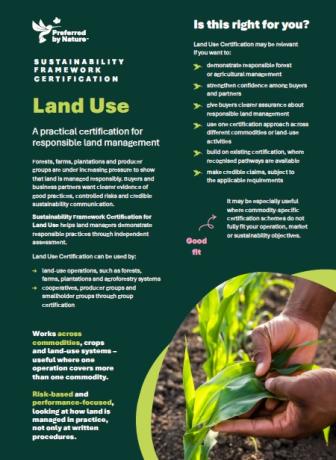
Certyfikacja w zakresie użytkowania gruntów
Dla rolników, leśników, właścicieli i zarządców plantacji, gospodarstw oraz grup producentów, którzy chcą wykazać stosowanie odpowiedzialnych praktyk w zakresie zarządzania gruntami.
Dowiedz się więcej
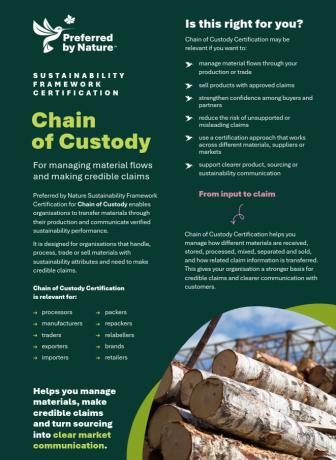
Certyfikacja łańcucha dostaw
Dla przetwórców, producentów, podmiotów handlowych, sprzedawców detalicznych oraz innych organizacji działających w łańcuchu dostaw, które potrzebują zweryfikowanego systemu kontroli pozyskiwania surowców i obrotu materiałami, w tym możliwości śledzenia danych dotyczących geolokalizacji.
Dowiedz się więcej
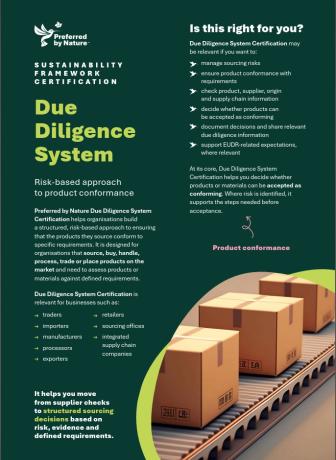
Certyfikacja systemu należytej staranności
Dla organizacji, które chcą wykazać funkcjonowanie wiarygodnego systemu należytej staranności, obejmującego identyfikację źródeł pochodzenia, ocenę ryzyka niezgodności, wdrażanie działań mających na celu ograniczenie ryzyka oraz weryfikację, czy produkty spełniają określone wymagania.
Dowiedz się więcej
Uznawanie innych systemów certyfikacji
Preferred by Nature może uznawać wybrane zewnętrzne systemy certyfikacji w ramach systemu certyfikacji Preferred by Nature.
W przypadku zatwierdzenia, organizacje posiadające certyfikaty uznawanych systemów mogą:
- Wykorzystywać posiadaną certyfikację jako podstawę do dostosowania się do wymagań certyfikacji PBN Sustainability Framework
- Korzystać z zatwierdzonych możliwości stosowania znaku Seal, deklaracji i komunikacji
- W określonych przypadkach uzyskać uprawnienie do stosowania znaku Preferred by Nature Seal
Rozszerz certyfikację o moduły PBN+
Moduły PBN+ umożliwiają organizacjom rozwijanie podstawowej certyfikacji i uwzględnianie konkretnych obszarów zrównoważonego rozwoju.
Obecnie dostępne moduły obejmują:
• Rolnictwo Regeneratywne
• Closer-to-Nature Forestry
• Odtwarzanie Ekosystemów
• Certyfikację Śladu Węglowego
Moduły te wspierają ukierunkowane doskonalenie i umożliwiają organizacjom komunikowanie osiągnięć w konkretnych obszarach działalności i wyników.
Standardy wspierające certyfikację
Certyfikacja w ramach Preferred by Nature Sustainability Framework opiera się na uporządkowanym zestawie standardów, które określają wymagania dotyczące użytkowania gruntów, łańcuchów dostaw oraz systemów należytej staranności.
Obejmują one:
- Sustainability Framework
- Standard łańcucha dostaw
- Standard Należytej Staranności
- Moduły PBN+
- Polityki uzupełniające
Standard Systemowy ma zastosowanie do wszystkich posiadaczy certyfikatów i określa wspólne wymagania dotyczące funkcjonowania programu certyfikacji.
 | PBN-01 Sustainability FrameworkPodstawowe wymagania w zakresie zrównoważonego rozwoju i zgodności z przepisami Określa podstawowe wymagania dotyczące wyników w zakresie zrównoważonego rozwoju w ramach programu certyfikacji Preferred by Nature Sustainability Framework. Obejmuje wymagania dotyczące kwestii środowiskowych, społecznych i związanych z ładem organizacyjnym (ESG), wspierając odpowiedzialne zarządzanie gruntami, praktyki związane z pozyskiwaniem surowców oraz dostosowanie działalności do wymogów regulacyjnych, w tym zarządzanie ryzykiem związanym z EUDR. Pobierz |
 | PBN-02 Systems Standard Wymagania dotyczące wdrożenia systemu certyfikacji Określa wymagania organizacyjne i dotyczące systemu zarządzania niezbędne do wdrożenia i utrzymania certyfikacji w ramach Preferred by Nature Sustainability Framework. Wspiera spójne stosowanie wymagań certyfikacyjnych we wszystkich obszarach działalności i lokalizacjach organizacji. Pobierz |
 | PBN-03 Due Diligence Standard for Product ConformanceWymagania dotyczące systemu należytej staranności, w tym moduł EUDR Określa wymagania dotyczące wdrożenia należytej staranności w celu zapewnienia zgodności produktów z określonymi wymaganiami oraz obejmuje moduł dotyczący EUDR. Pobierz |
 | PBN-04 Seal and Claim Use StandardZasady stosowania znaku oraz zatwierdzonych oświadczeń Określa wymagania dotyczące stosowania znaku Preferred by Nature oraz zatwierdzonych oświadczeń. Wspiera jasną, przejrzystą i wiarygodną komunikację dotyczącą statusu certyfikacji oraz materiałów objętych certyfikacją. Pobierz |
 | PBN-05 Chain of Custody StandardWymagania dotyczące kontroli materiałów w łańcuchach dostaw Określa wymagania dotyczące śledzenia i kontroli materiałów certyfikowanych w całym łańcuchu dostaw. Wspiera przejrzystość, identyfikowalność oraz zweryfikowane postępowanie z produktami objętymi certyfikacją. Pobierz |
 | PBN-06 Terms & DefinitionsWspólna terminologia stosowana w ramach programu certyfikacji Zawiera definicje i wyjaśnienia kluczowych terminów stosowanych w standardach i politykach Preferred by Nature Sustainability Framework Certification. Wspiera spójne rozumienie i jednolite stosowanie wymagań. Pobierz |
 | PBN-07 Pesticides PolicyWymagania dotyczące zarządzania ryzykiem związanym ze stosowaniem pestycydów Określa wewnętrzną politykę Preferred by Nature dotyczącą klasyfikacji, dopuszczalności, ograniczeń i nadzoru nad stosowaniem pestycydów w ramach Preferred by Nature Sustainability Framework Certification. Pobierz |
 | PBN-08 GMO PolicyWymagania dotyczące organizmów zmodyfikowanych genetycznie Określa wewnętrzną politykę Preferred by Nature dotyczącą dopuszczalności stosowania GMO w ramach Preferred by Nature Sustainability Framework Certification, w tym ocenę ryzyka, środki zabezpieczające, przejrzystość oraz mechanizmy kontroli w ramach programu. Pobierz |
 | PBN-09 Claim Use Standard for Non-Seal UsersZasady dotyczące deklaracji i komunikacji poza produktem Określa zasady, na jakich organizacje, które nie stosują znaku Preferred by Nature Seal, mogą komunikować deklaracje związane z certyfikacją, w tym zasady dotyczące komunikacji poza produktem oraz stosowania zatwierdzonych komunikatów. Pobierz |
 | PBN-10 Pre-approved ClaimsZatwierdzone deklaracje dla organizacji posiadających certyfikat Zawiera zestaw wstępnie zatwierdzonych deklaracji, które organizacje posiadające certyfikat mogą stosować w komunikacji dotyczącej statusu certyfikacji, z zastrzeżeniem obowiązujących zasad i wymogów dotyczących zatwierdzania. Pobierz |